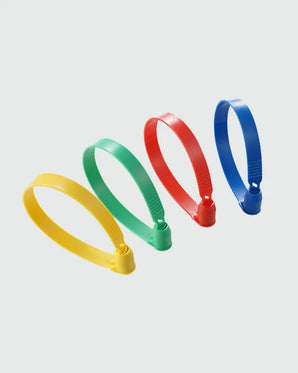
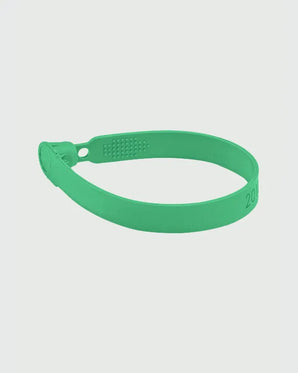
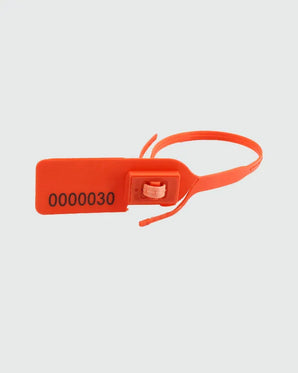
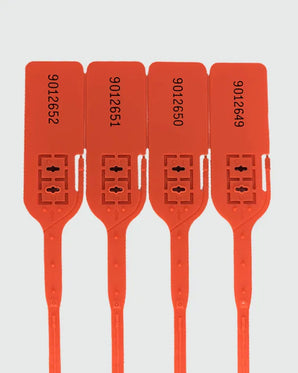
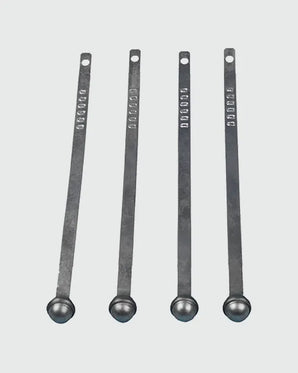
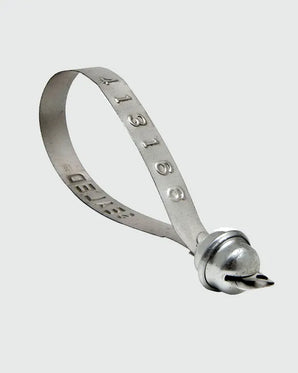
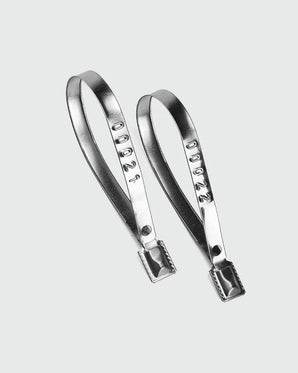
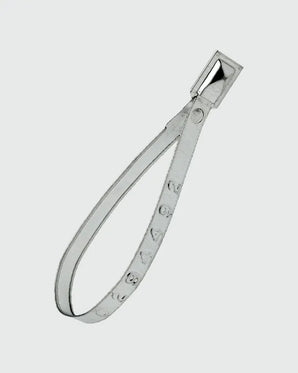



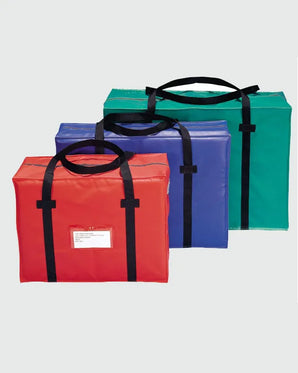
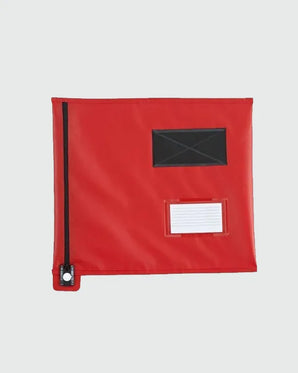
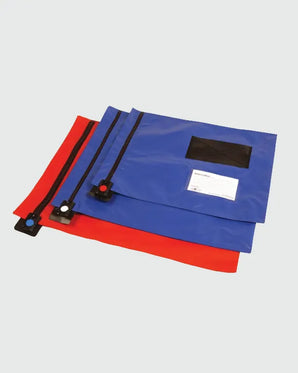
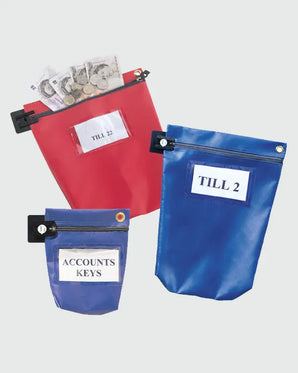
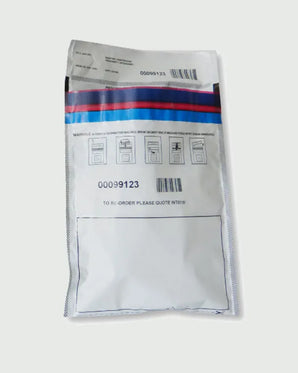
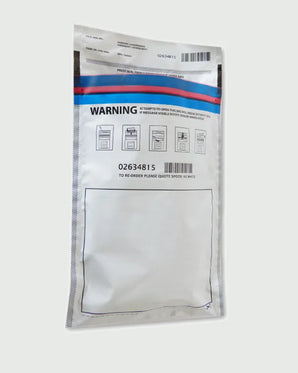
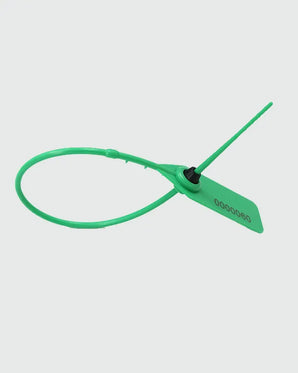
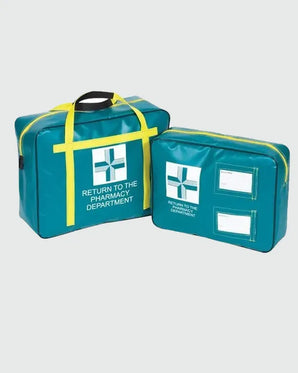
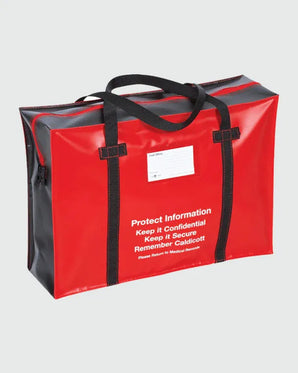
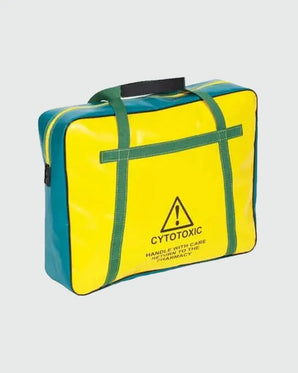
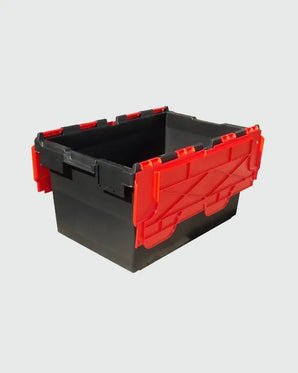
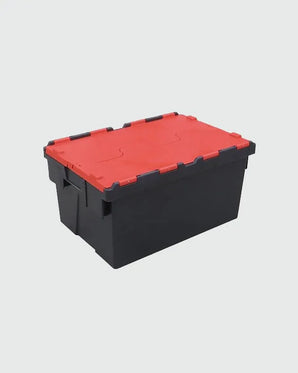
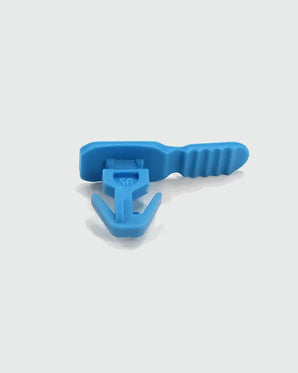
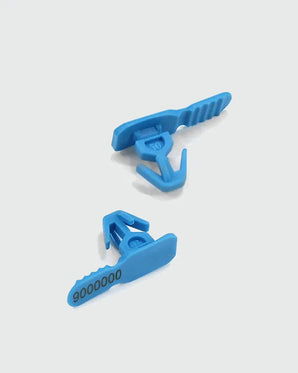

Well-managed spill kits are easier to inspect, easier to track, and easier to return to service with confidence. Inspectors can clear routine checks faster when the kit shows its status immediately.
That is where tamper seals help. They give inspectors a clear checkpoint and show when a kit needs follow-up before it goes back into use.
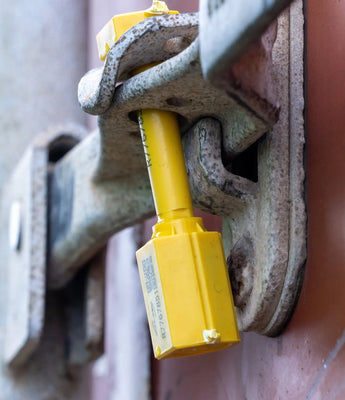
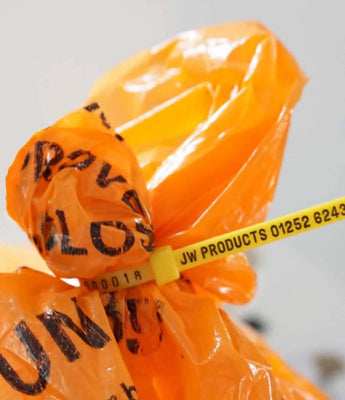
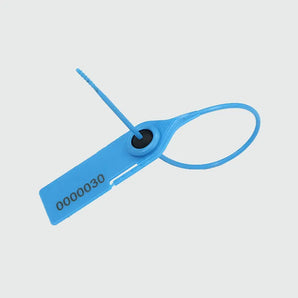
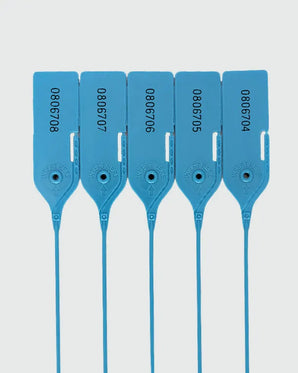
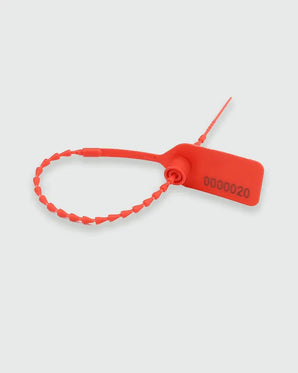
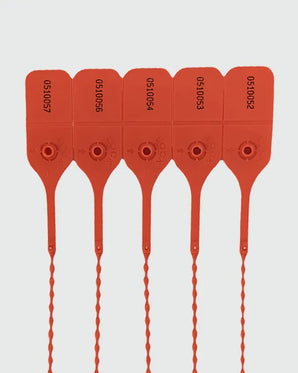
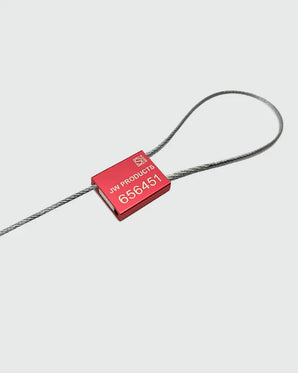
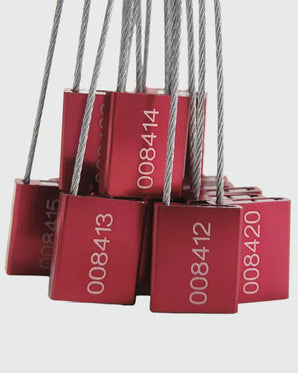
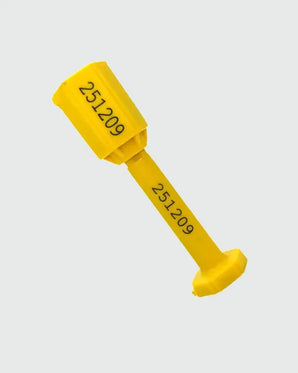
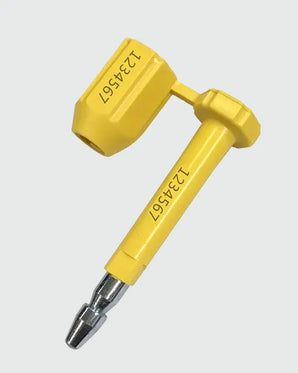
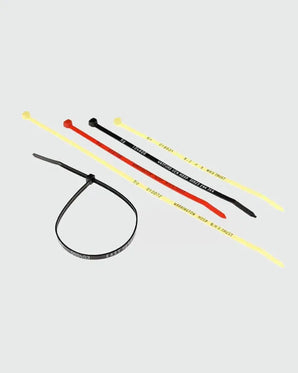
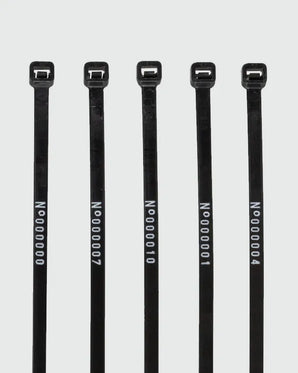
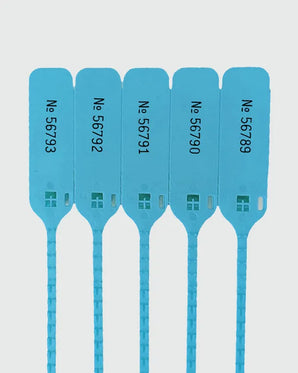
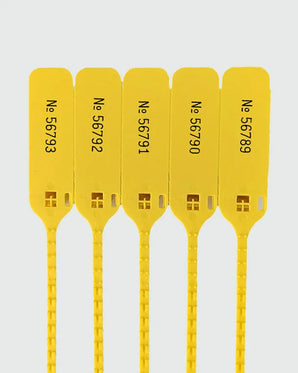
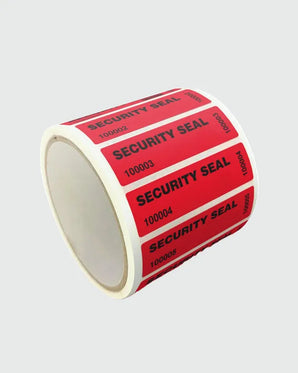
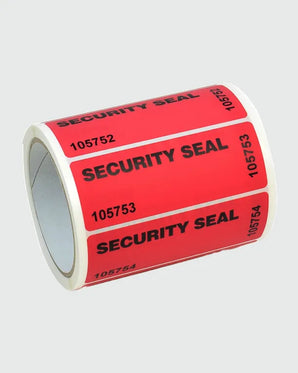
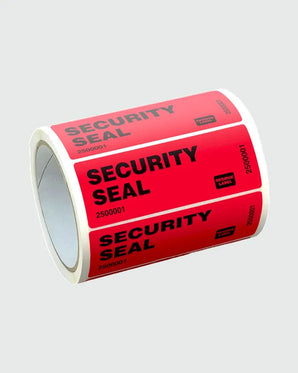
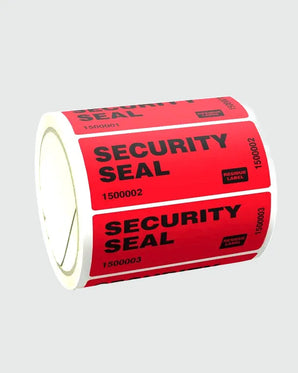
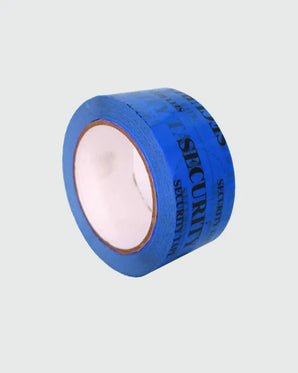
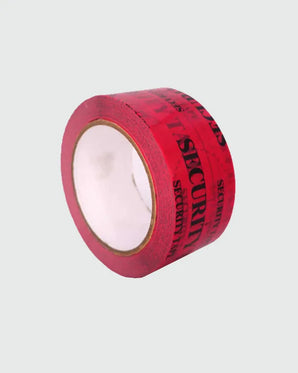
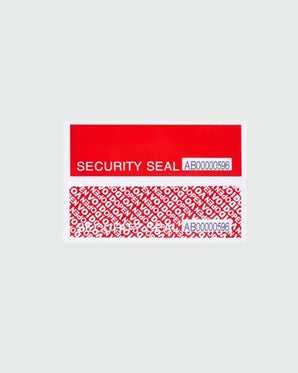
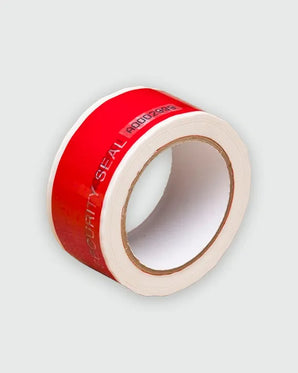
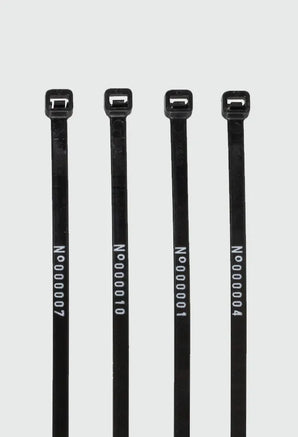
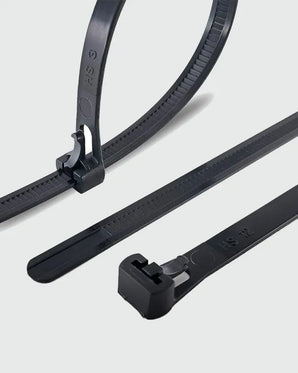
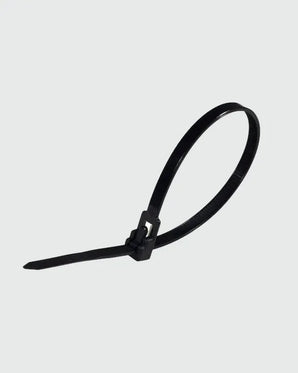
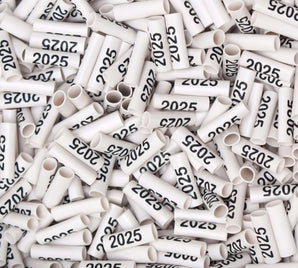
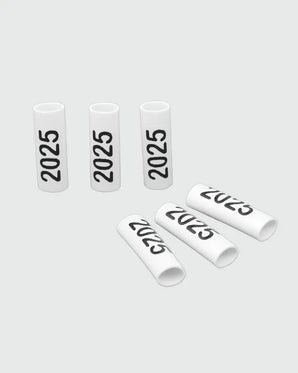
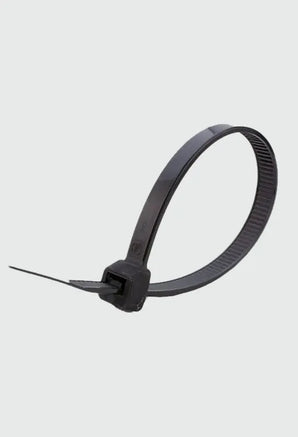
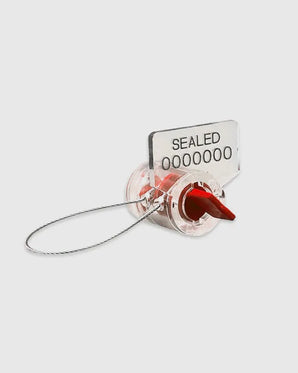
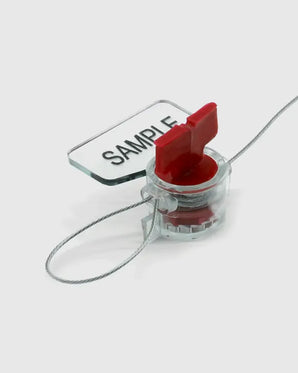
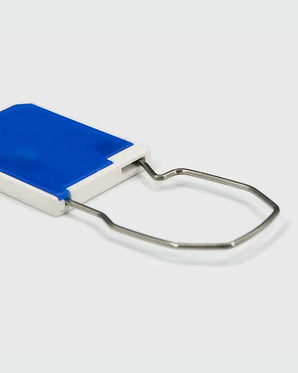
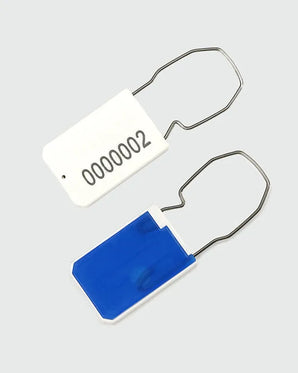
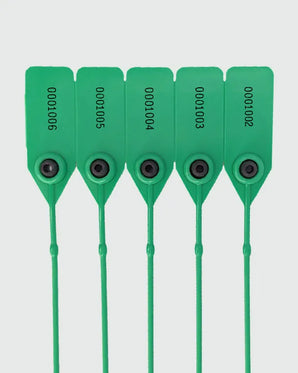
For sites that want clearer spill kit control, spill kit seals provide a practical way to support routine checks. JW Products supplies industrial spill kit seals, including numbered options for sites that log seal changes and follow-up actions.
Why do spill kits need simple visual checks?
Most workplaces do not inspect every spill kit item by item every day. Many checks are visual.
The inspector checks the location, the outer condition, and the closure. That only works when access leaves a clear sign. If someone opens and closes a kit without leaving visible evidence, staff may assume the kit is ready when items are missing or used.
Security seals show evidence of access. Staff fit them to the spill kit container or closure point. If the seal is broken or missing, the quick check stops there. The kit needs inspection. An intact seal supports a faster visual check. It does not confirm that every item remains inside.
How does spill kit misuse happen on site?
Ordinary site behaviour often creates the problem.
Someone may open a kit to deal with a minor leak or housekeeping issue, then return it with pads, socks, or disposal items missing. Someone may take absorbent materials for a quick clean-up and not report it. Someone may break a closure during handling and never replace it.
On larger sites, a kit can sit in place for weeks and still look complete from a distance even though the stock inside no longer matches the label.
Tamper-evident seals help sites avoid that uncertainty.
What should be checked during a spill kit inspection?
A spill kit inspection should show which kits can stay in service and which ones need attention. That makes inspection rounds quicker and follow-up more targeted.
A routine spill kit check starts with the same questions. Is the kit in its assigned location? Is the outer container in good condition? Is the identification label still visible? Is the closure intact? Has the seal remained in place since the last recorded check?
The tamper seal gives the inspector a quick checkpoint. It shows if the visual check can end there or if the kit needs opening.
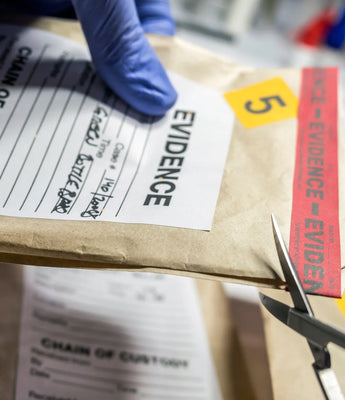
The inspector should check that the tamper seal is present and intact. The kit location must match the site register or inspection list. The container or closure point must show no visible damage. If the site uses logged checks, the inspector should also record the seal number or identifier.
A broken or missing seal takes the kit out of routine status. The inspector should then treat it as a follow-up check.
If the seal is intact and no other concerns appear, the inspector may complete the visual check and move on. If the seal is missing or damaged, the inspector should carry out a fuller contents check. Someone must then verify the contents, replace any missing stock, fit a new seal, and update the record before the site puts the kit back into service.
Need a Faster Way to Check Spill Kits?
If spill kit checks take too long or leave too much room for doubt, the issue is often visibility. JW Products supplies spill kit seals that make access easier to spot, checks easier to record, and follow-up easier to manage. With numbered options available, sites can build a clearer inspection process and see more quickly which kits need action. View JW Products’ spill kit seals or request a quote to find the right option for your site.
How do spill kit seals help with inspection records?
Inspection records only help when they show what changed, when it changed, and what action followed. Spill kit seals make that easier to record and track during routine inspections and follow-up work.
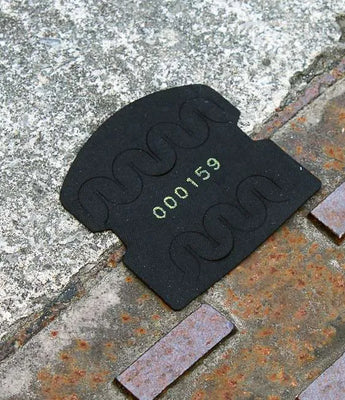
If the site uses numbered spill kit seals, the record can show when staff changed a seal and which kit they checked. It can also show whether a broken seal led to a contents check or restocking action. That gives supervisors and managers a clearer view of which kits passed inspection and which ones needed intervention.
Over time, that creates a more useful record. Managers can see where the same kit, area, or shift keeps generating follow-up work. They can then focus attention where control keeps slipping.
What should you consider when selecting spill kit seals?
Selection matters because the wrong seal can slow inspections down or fit poorly. Some options also add administration without improving site control.
The seal should keep checks simple and suit the way the site uses the kit.
It should break clearly. It should fit the closure point properly. Staff should also be able to replace it quickly after inspection, restocking, or authorised use.
Some sites prefer numbered security seals so staff can record each kit check against a specific identifier. Others prioritise a simple single-use seal that makes access obvious without adding unnecessary administration. Numbered seals can help where supervisors review records closely or track repeated issues across more than one kit.
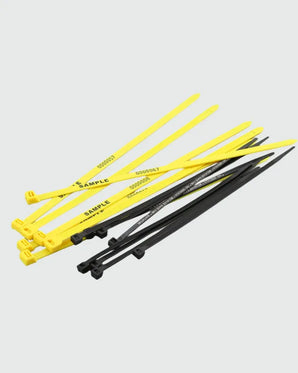
JW Products can help buyers compare tamper seals for spill kits and broader plastic tamper seals where the closure type or inspection process calls for a different format.
When should a spill kit tamper seal be replaced?
Staff should replace a spill kit tamper seal as soon as it no longer gives a clear and reliable status check.
That usually includes after someone opens the kit, after any contents inspection that requires access, and after restocking. Staff should do the same if damage affects the readability or integrity of the seal. If the closure arrangement changes, the site may also need to review the seal type. A seal that worked on one closure point may not give the same clear check on another.
People carrying out the check need to trust what they are looking at. Damaged or loose seals weaken the visual check. Unreadable or poorly fitted seals do the same. In each case, the checker ends up guessing.
Speak to JW Products about spill kit seals
If you need tamper seals for visual checks and routine inspections, speak to JW Products. JW Products can help you choose a practical tamper-evident solution that fits your inspection process and your closure points. You can view our industrial spill kit seals or request a quote to discuss the right option for your site.