
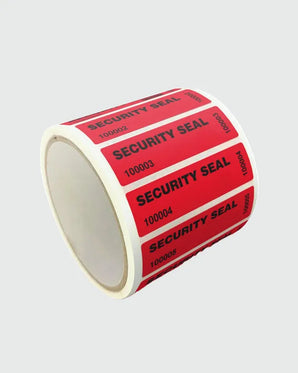
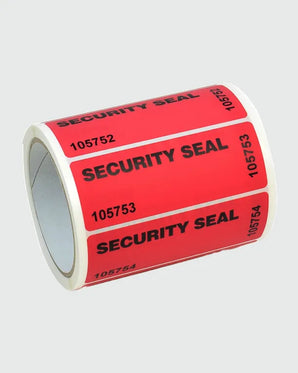
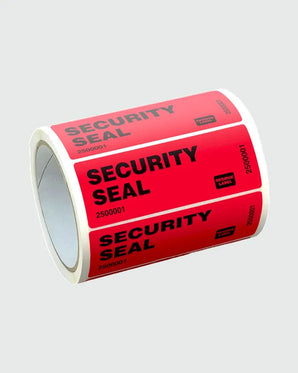
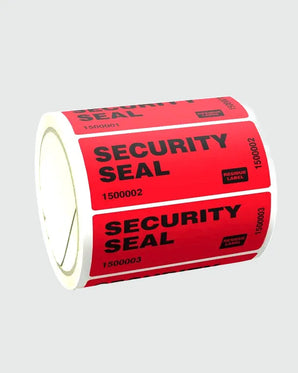




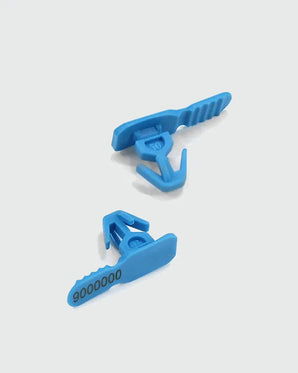

Fire extinguishers are installed to be ready for immediate use when needed. Facilities and safety managers use visual checks to confirm that equipment has not been used, interfered with, or rendered unavailable between formal servicing visits. One small component plays a significant part in that process.
Seals fitted to fire extinguishers provide a simple way to confirm whether the extinguisher has been discharged or accessed since it was last checked. Used correctly, they help teams identify issues early and take action before availability is affected.
What Are Fire Extinguisher Seals?
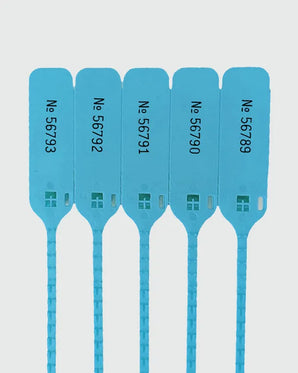
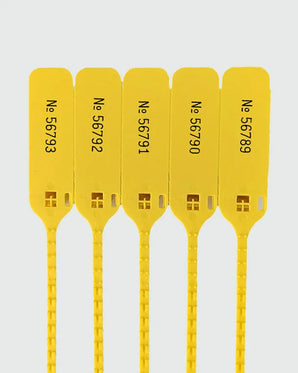
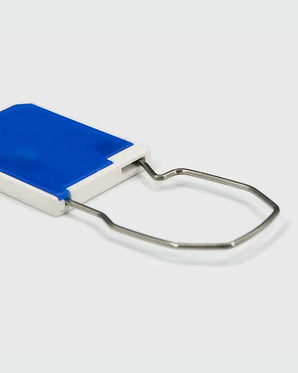
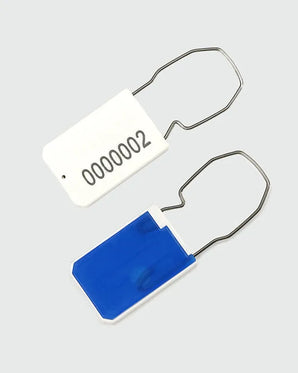
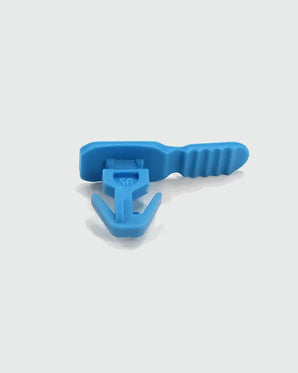
Fire extinguisher seals are small devices fitted through the pin or operating mechanism of an extinguisher. Their purpose is to indicate whether the extinguisher has been activated or interfered with after installation or servicing.
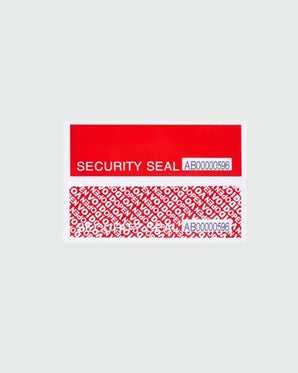
A tamper evident seal used on a fire extinguisher breaks, distorts, or separates when the pin is pulled. That change provides an immediate indication that the extinguisher may have been used or handled outside normal checks.
How do Extinguisher Seals Indicate Use?
The way a seal reacts to movement is key to its value. Once fitted through the pin, the seal stays intact during normal handling and routine checks, allowing staff to confirm that the extinguisher has not been operated since the last recorded visit.
Removal of the pin causes the tamper evident seal to break or separate. This cannot be reversed without replacing the seal, which means any use of the extinguisher becomes immediately apparent during walk‑throughs or spot checks.
Because the seal reacts directly to pin movement, it provides a reliable indication without relying on gauges or labels. This makes it suitable for places where extinguishers are checked visually as part of wider site routines.
Why Are Seals Used on Fire Extinguishers?
Seals are used to confirm that extinguishers remain ready for use between servicing visits. A seal offers a simple way to determine whether an extinguisher has been activated, removed from position, or interfered with during normal building use.
Using a tamper evident seal also reduces uncertainty during routine checks. Instead of assuming, staff can identify units that need further attention and escalate them for replacement or servicing, helping maintain confidence in site readiness without adding complexity to daily routines.
How do Anti-Tamper Seals Improve Fire Extinguisher Readiness?
Anti-tamper seal benefits for fire extinguishers are linked to operational awareness and equipment readiness. In this context, a tamper evident seal helps teams maintain confidence that safety equipment remains available.
Benefits include:
- Faster identification of extinguishers that need replacement or servicing
- Reduced risk of extinguishers being unavailable during an emergency
- Clear evidence that handling has occurred
Each benefit depends on consistent checking routines and clear responsibilities within the site.
How Tamper Evident Seals Indicate an Extinguisher Has Been Used
A tamper evident seal works through being triggered by pin removal. There are no moving parts, electronics, or indicators that require interpretation during checks.
Once broken, the seal cannot be refitted in its original condition. This ensures that even brief or accidental activation is identifiable at the next walk‑through.
This behaviour suits sites where extinguishers are accessed by multiple people. It allows teams to distinguish between equipment that is ready for use and equipment that needs follow‑up without technical assessment.
What Should be Checked During Walk‑Throughs?
Visual observations made during site walk-throughs enable effective seal checks. An intact tamper evident seal gives immediate reassurance during these observations.
Key points include:
- Confirming the seal is present and intact
- Checking that the pin is fully seated
- Noting any signs of distortion or breakage
Any deviation should trigger follow‑up action according to site procedures.
Which Seals Are Commonly Used on Fire Extinguishers in the UK?
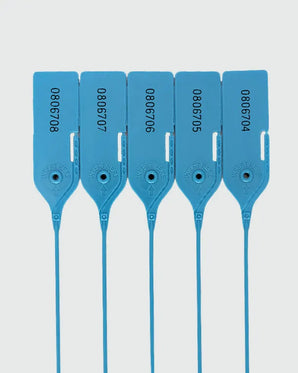
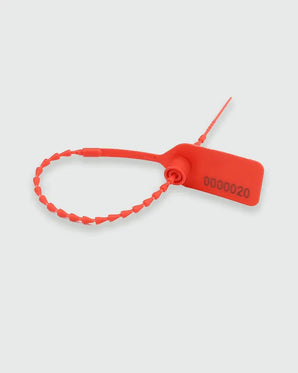
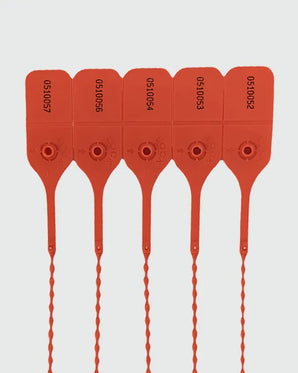
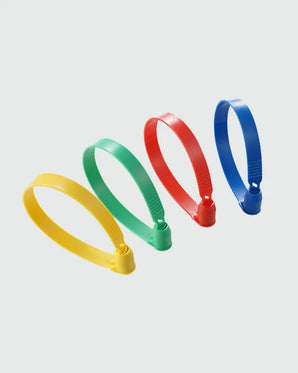
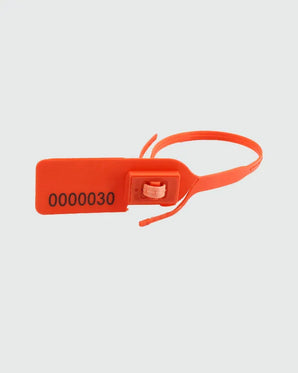
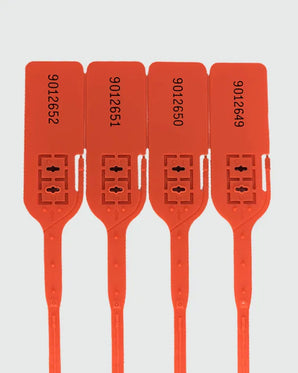
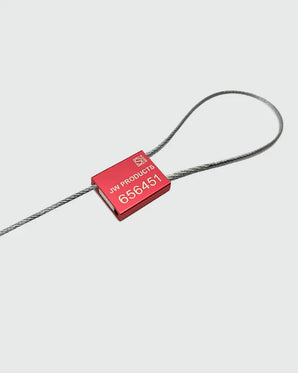
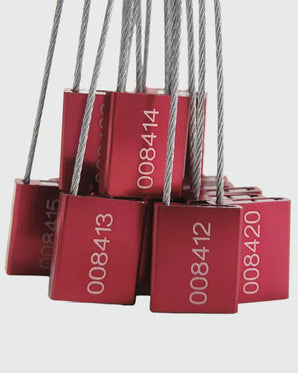
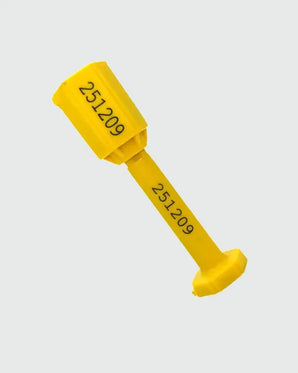
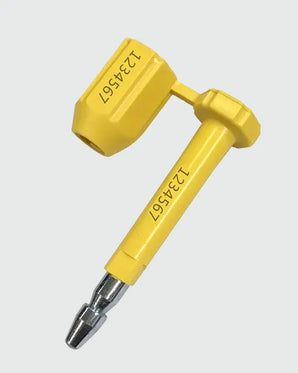
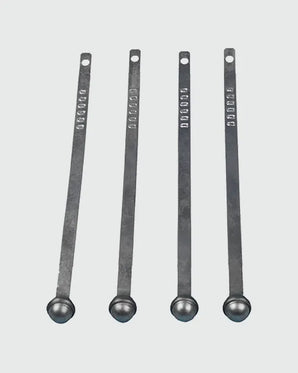
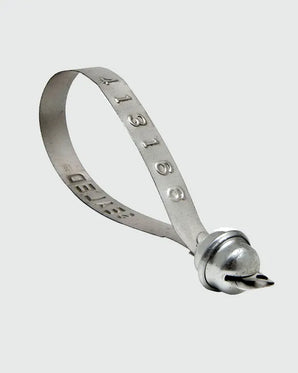
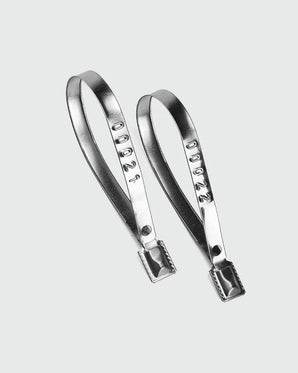
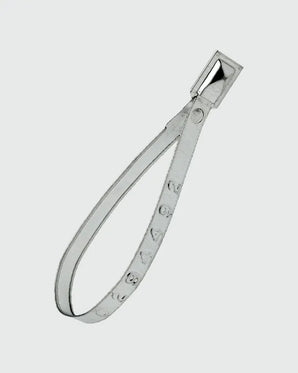
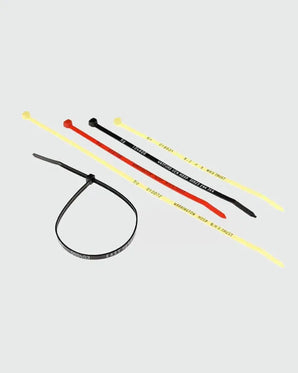
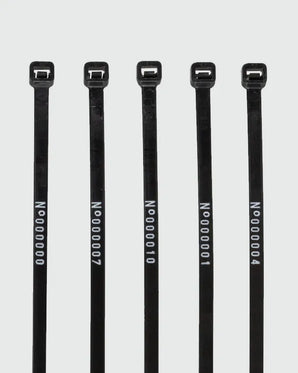
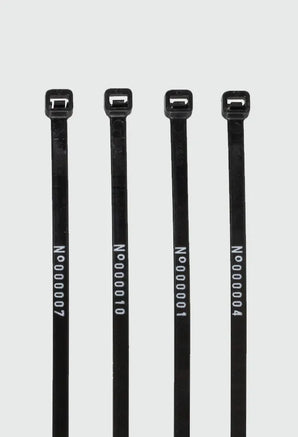
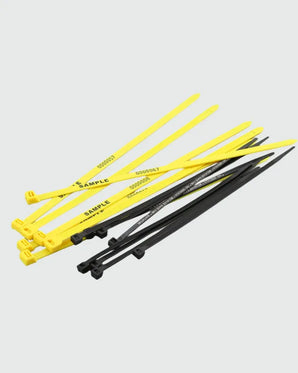
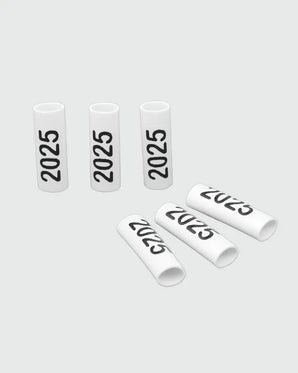
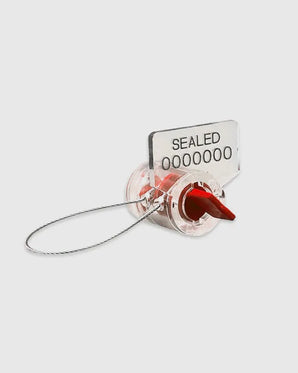
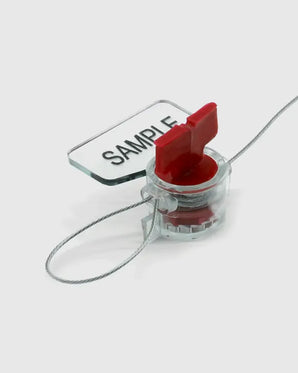
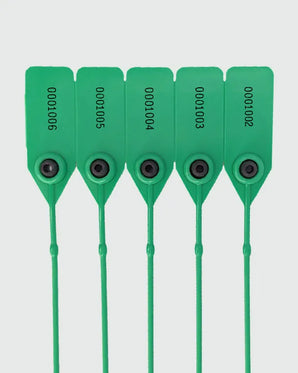
Tamper evident seals UK fire safety applications include simple plastic pull‑tight seals and breakable loop seals designed for extinguisher pins. These formats are widely used across offices, warehouses, public buildings, and industrial sites.
Selection usually reflects extinguisher design and how equipment is handled on site. A tamper evident seal chosen for fire extinguishers should pass easily through the pin and allow unrestricted removal during activation.
Consistency across a site helps staff recognise intact and broken seals quickly. Using the same seal type throughout a building also reduces confusion during checks carried out by different teams or contractors.
How Pull‑Tight Seals Work on Extinguishers
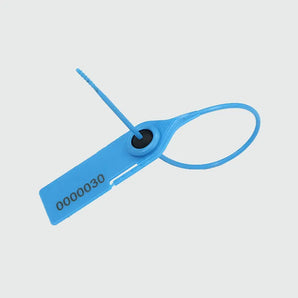
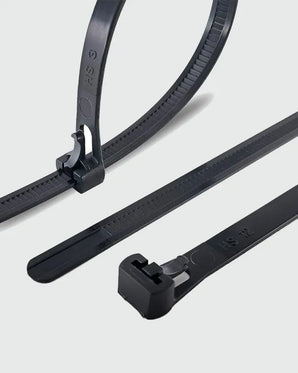
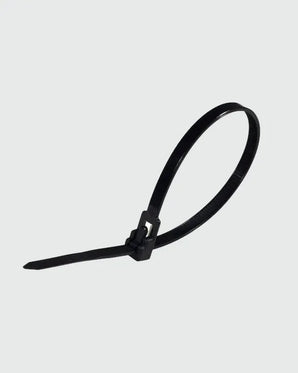
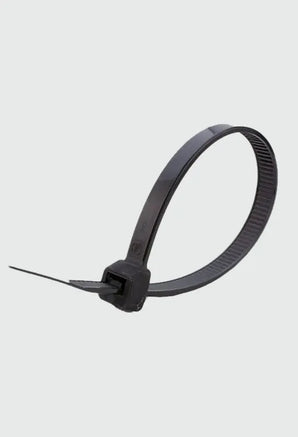
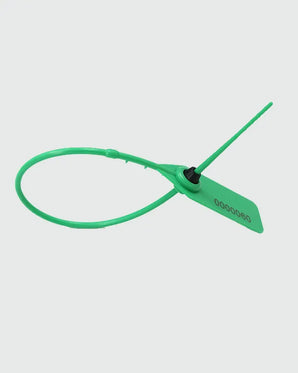
A pull-tight tamper evident seal is designed to secure the pin until it is activated. Once threaded through the pin and tightened, the seal locks in place without tools and cannot be loosened without breaking.
This design ensures the pin stays secure during normal movement or vibration. Activation of the extinguisher causes the seal to snap or separate, leaving clear evidence that the pin has been removed.
These seals are commonly used on extinguishers which are positioned in shared areas.
How Are Extinguisher Seals Used During Routine Equipment Checks?
On occupied sites, seals are used as part of routine equipment management. Those responsible for site safety use them to confirm that extinguishers remain in the expected condition between scheduled checks.
An intact seal gives reassurance that the extinguisher has not been operated during normal building use. A broken seal highlights the need for further action, such as checking pressure, confirming contents, or arranging a replacement.
Using a tamper evident seal like this helps teams prioritise maintenance activity and avoid unnecessary downtime. It also reduces uncertainty during routine walk-throughs by providing a clear reference point for deciding whether further checks are required.
Are Low-Force Seals Suitable For Safety Equipment?
Low-force tamper seals for safety equipment are designed to break with minimal resistance when activated. This ensures that the seal does not hinder operation of the extinguisher during an emergency.
A tamper evident seal that does this suits equipment that must be accessed quickly and without additional effort. Selection should consider how extinguishers are stored, how regularly they are handled, and whether accidental contact is likely during normal building activity.
When Should Seals be Replaced?
Whenever an extinguisher is serviced, discharged, or found with a broken seal, that is when a seal should be replaced. Replacement ensures that the next check provides a reliable indication of the equipment’s condition.
A missing or damaged seal should always prompt follow‑up action. Consistent use of the correct tamper evident seal across a site helps maintain clear routines and avoids uncertainty during checks carried out by different staff or contractors.
Where Can You Get The Right Seals?
Your teams can benefit from sourcing seals that match extinguisher types and site requirements. Consistency in size and performance helps maintain clear checking routines.
We supply a range of fire extinguisher seals suitable for different environments. To discuss seal types and suitability for your equipment, contact us now!