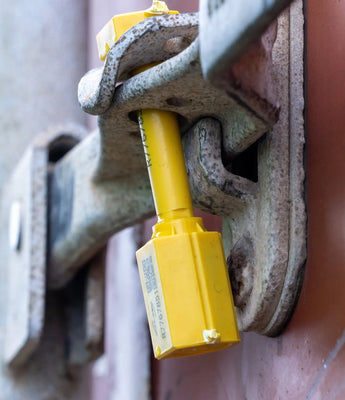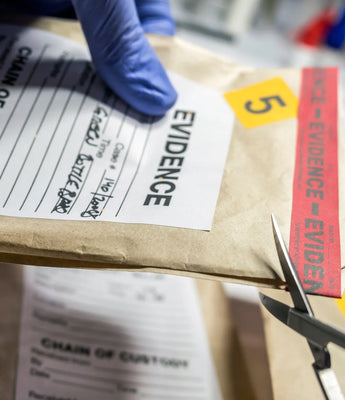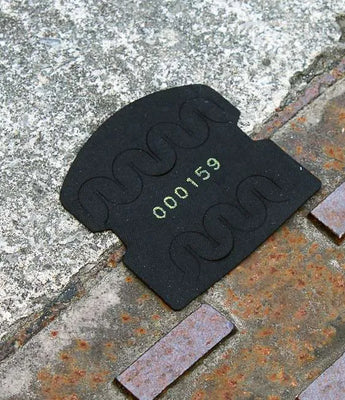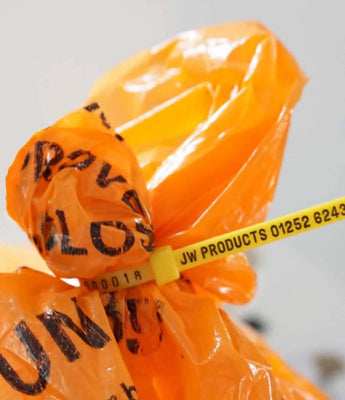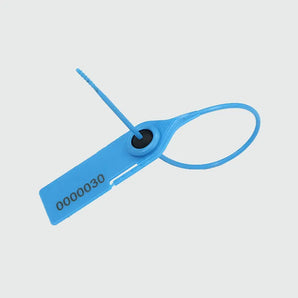
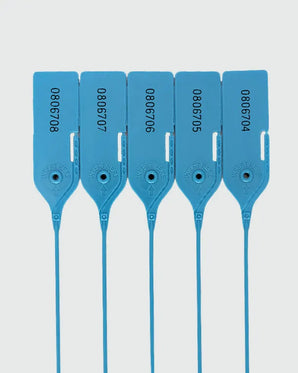
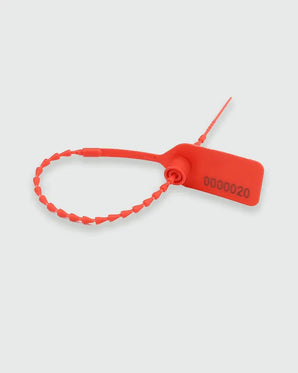
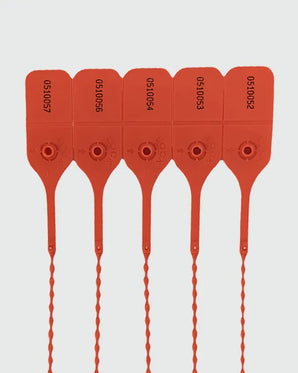

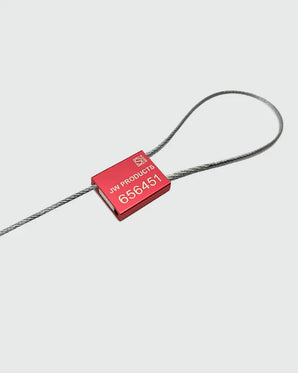
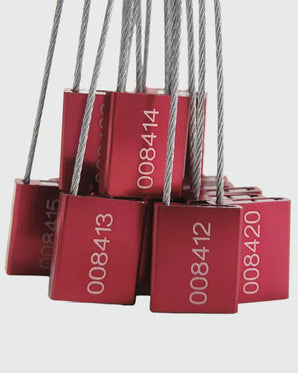
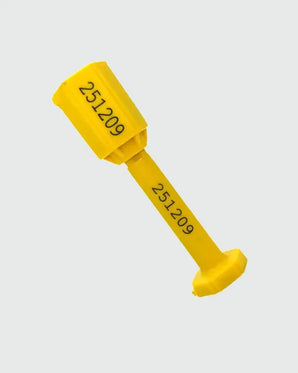
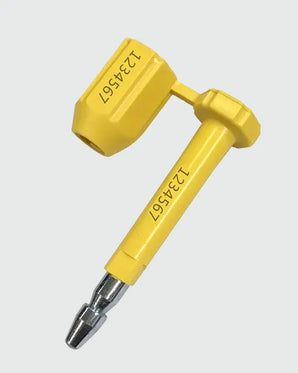
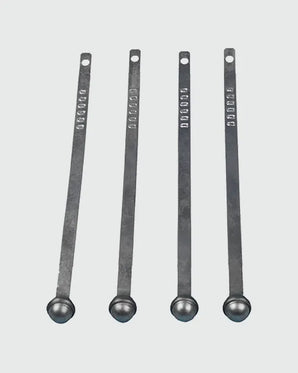
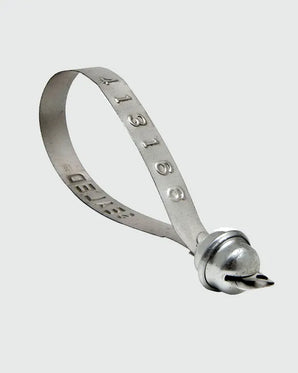
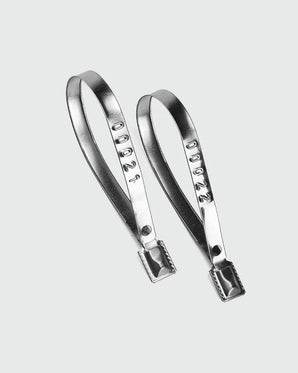
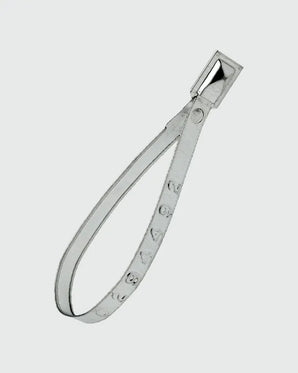
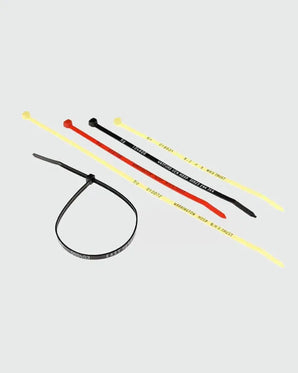
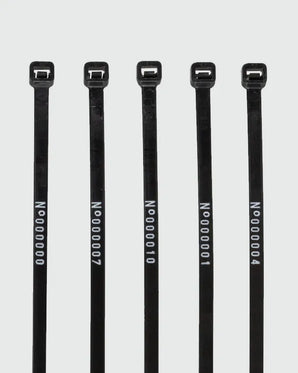
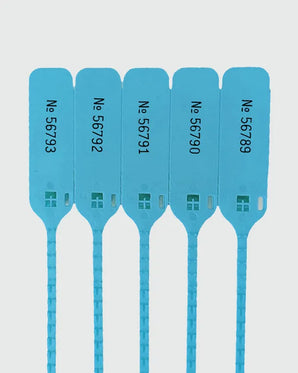
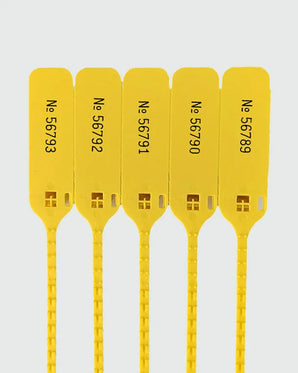

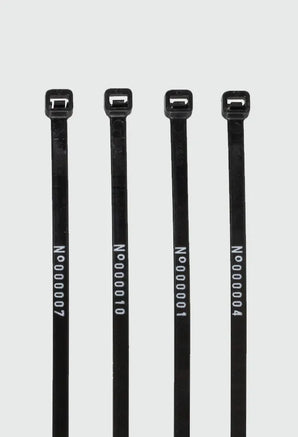
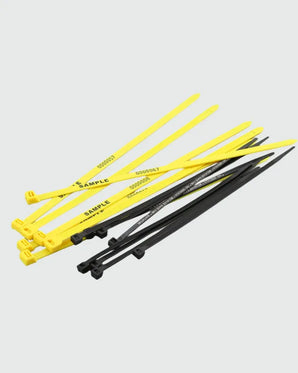
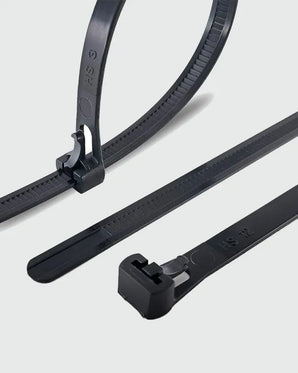
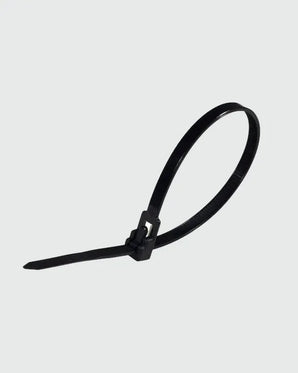

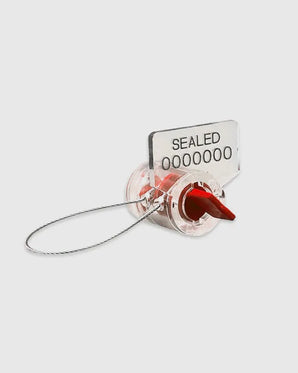
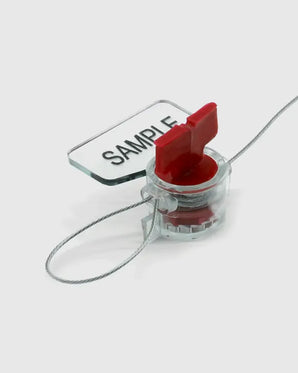
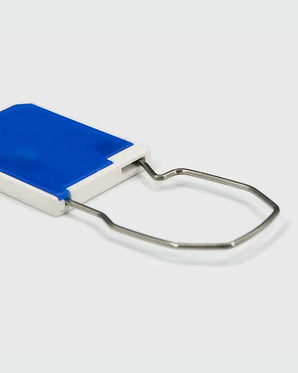
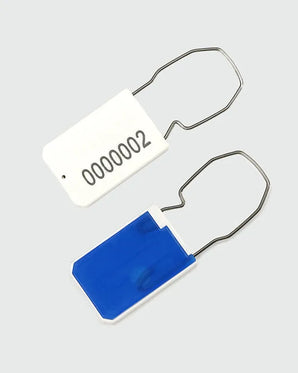


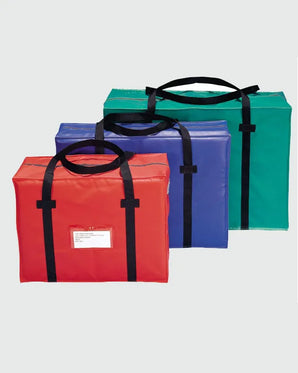
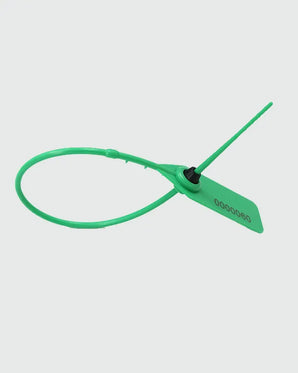
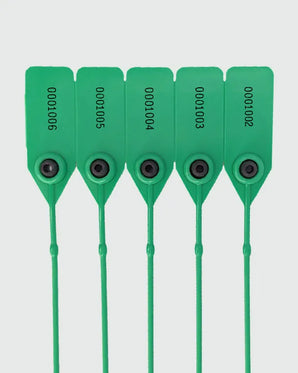
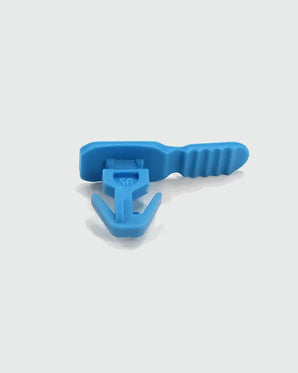
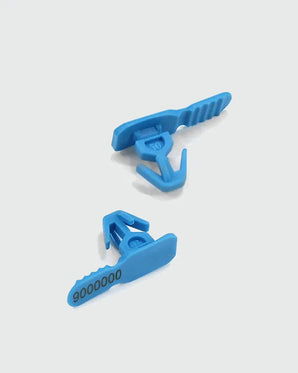

A numbered cable seal gives the person checking a petrochemical valve or tanker access point a clear reference between authorised inspections. If the expected seal is still present and intact, it can be compared with the site record. If it is missing, cut or different, there is a specific exception to investigate.
That is why cable seals are useful where teams need visible tamper evidence and traceability around suitable valves, tanker equipment and other controlled closures. They are not valve lockouts and do not make access impossible; their role is to make opening or interference easier to identify.
At JW Products, we supply 1.5 mm, 2.5 mm and 3.5 mm cable-seal options, with numbered and custom-printed variants available to support different closure points and inspection processes. You do not need to arrive with a complete seal specification. Tell us where the seal will be used and what you need it to achieve, and we can help narrow down the right option.
Already specifying cable seals for petrochemical valves or tanker access points? Request a quote from JW Products and we can help match the seal to the application.
Why are cable seals used on petrochemical valves?
Cable seals are used on suitable petrochemical valves to create a visible, identifiable checkpoint between authorised checks. The seal can be fitted after an inspection, transfer or maintenance activity and its number recorded against the valve or access point.
At the next check, the person inspecting the equipment has something specific to verify. If the same numbered seal remains intact, the expected seal is still in place. If the seal has been removed, cut or replaced, the change can be followed up against the site's records.
That gives operations and maintenance teams a clear visual reference during routine checks.
How can a numbered seal show a change between petrochemical valve inspections?
A recorded numbered cable seal can show whether the seal condition has changed since the previous check. The useful part is the combination of the physical seal and its recorded number.
An intact seal with the expected number gives the next inspector the seal they expect to see. A missing, cut or mismatched seal does not prove that the valve was operated or explain why the seal changed, but it tells the team that the seal no longer matches the record and needs to be checked.
This is more useful than relying on the presence of an unnumbered seal alone because the individual number links the physical access point to the inspection or handover record.
Where are cable seals used on petrochemical valves and tanker access points?
They can be used where a valve or tanker access point provides a suitable route for the cable and the relevant access would require the seal to be disturbed. Petrochemical valves are a documented application for our cable-seal range, while numbered seals can also support suitable tanker access points.
The right option comes down to the hardware and the level of physical resistance required. We can help you narrow down the cable diameter and strength for the available closure point, rather than expecting one seal to suit every valve or tanker fitting.
How can cable seals be fitted to petrochemical valves?
They can be suitable where the valve provides an appropriate sealing point through which the cable can be routed. The fitted seal should create a clear checkpoint, so the relevant access requires the seal to be disturbed, and the seal number remains available for inspection.
Because valve hardware varies, we offer different cable diameters rather than treating one seal as suitable for every application. Tell us where the seal needs to be used and we can help narrow down the appropriate option.
How can cable seals support tanker access checks?
Our Petrochemical & Tanker Seals range includes cable seals. Where a tanker access point is suitable for a cable seal, a numbered seal gives the next authorised person a specific reference to compare with the dispatch, transfer or inspection record.
If the seal is missing or the number no longer matches, the operator has a clear change to investigate. The seal does not explain why the change occurred; it makes the change visible.
Which cable seal should you use for a petrochemical valve?
The right cable seal depends mainly on the available sealing point, the level of physical resistance required and how the seal needs to be identified. You do not need to specify every detail before speaking to us; we can translate the application into the relevant option and guide you from there.
What is the difference between 1.5 mm, 2.5 mm and 3.5 mm cable seals?
We offer three cable-seal diameters, each with a 300 mm cable. The 1.5 mm version has a published breaking strength of 330 kg, the 2.5 mm version 500 kg and the 3.5 mm version 1,250 kg.
View the current JW Products Cable Seal specifications.
The smaller diameters provide more clearance where the sealing point is restricted, while the 3.5 mm version provides the highest published breaking strength in the range. The best choice still depends on the valve or access point it needs to fit.
You do not need to work that out before contacting us. Tell us where the seal will be used and we can help narrow down the suitable cable diameter and identification options.
Why use numbered cable seals on petrochemical valves?
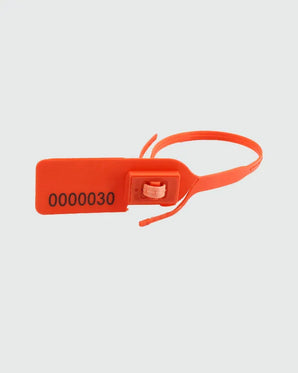
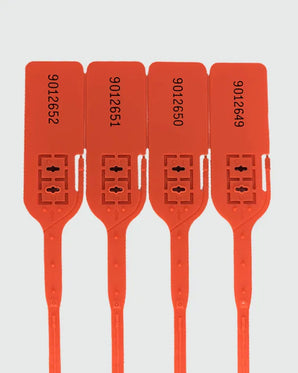
Numbered seals give each sealed valve or access point an individual reference that can be checked later. Instead of recording only that a valve was sealed, the record can identify the exact seal fitted at that point.
That makes handovers, maintenance and repeated inspections easier to follow. If authorised access takes place, a replacement seal can be fitted and the new number becomes the reference for the next check.
We can supply numbered options, with custom printing available on appropriate products where company identification or barcode information is also useful.
Can petrochemical valve seals be colour-coded or custom printed?
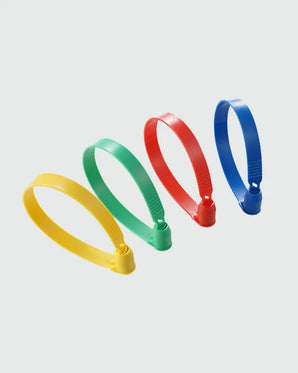
Our current cable-seal range is available in several colours, and sequential numbering gives each seal an individual reference. Where a site already uses colour to distinguish defined applications or processes, choosing different seal colours can support that system.
Custom printing can also support company details, numbering or barcodes on suitable seals. The aim is to make inspection simpler: the right seal is easier to recognise and the right record is easier to verify.
We have in-house printing capability, so identification can be considered as part of the seal order rather than treated as a separate task later.
How do numbered seals help with petrochemical valve inspections?
Numbered cable seals make valve inspections easier by giving staff a simple reference to compare with the site record.
A typical process can stay straightforward:
· The seal is fitted after the valve or access point has been checked.
· Its number is recorded against that location or operation.
· The next authorised person compares the fitted seal with the expected number.
· If the seal is missing, cut or different, the exception is investigated under the site's normal procedure.
· After authorised access, a new seal number becomes the reference for the next check.
For teams managing multiple valves or tanker access points, this creates a repeatable inspection process with a clear reference at each check.
What happens if a cable seal on a petrochemical valve is broken or replaced?
A broken, missing or different cable seal should be treated as an exception to the expected record, not automatic proof of unauthorised activity.
There may be a legitimate reason for the change, such as authorised maintenance. The value of the numbered seal is that the team has a specific seal number to reconcile with the record.
Where authorised access has taken place and the valve is re-secured, fitting a replacement numbered seal and recording the new number gives the next inspection a clear reference. That keeps the inspection trail intact rather than leaving an unexplained gap between one seal and the next.
Are cable seals a replacement for valve lockout on petrochemical sites?
No. A cable seal used for tamper evidence is not a valve-isolation device, lockout system or substitute for an organisation's authorised safety procedures.
Its role is different: it provides a visible and identifiable indication that a controlled point may have been accessed. Depending on the specification, the seal can also provide physical resistance, but it should not be relied upon to perform the job of a safety-critical lockout or isolation system.
Keeping that distinction clear helps teams use the seals for the job they are designed to support: tamper evidence, identification and traceability between authorised checks.
Cable seals for petrochemical valves from JW Products
Choosing seals for petrochemical valves should not mean becoming a security-seal specialist yourself.
We have supplied security products since 2000 and operate from Haydock near St Helens. Our cable-seal range includes 1.5 mm, 2.5 mm and 3.5 mm variants, with numbered and custom-printed options available to support different valve, tanker and inspection requirements.
Tell us where the seal will be used and, if you know it, the type of valve or closure involved. We can guide you through the suitable cable diameter, breaking strength and identification options. If fit still needs confirming, request a tailored sample pack before you move to a larger order.
For repeat or larger requirements, we can also support stockholding and call-off arrangements, helping you keep the right seals available without taking delivery of an entire purchased quantity at once.
If you need cable seals for petrochemical valves, tanker access points or other controlled industrial access points, request a quote from JW Products. Tell us the application and what you need the seal to achieve, and we can take it from there.