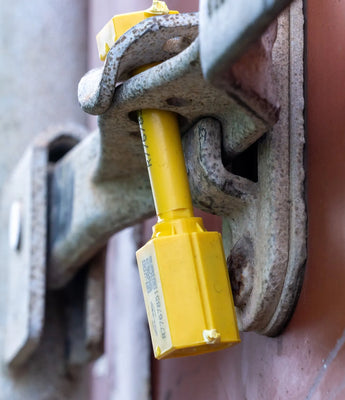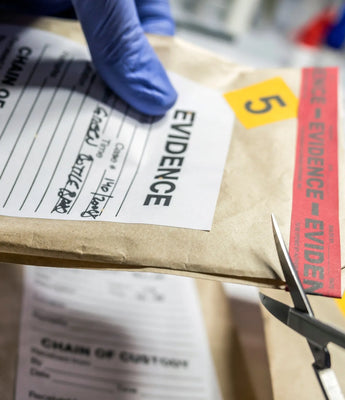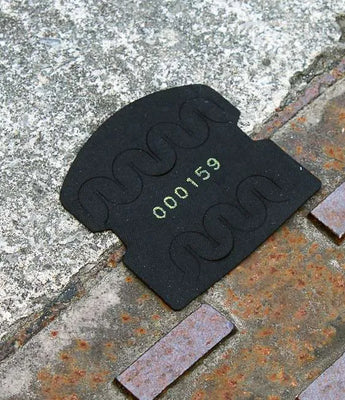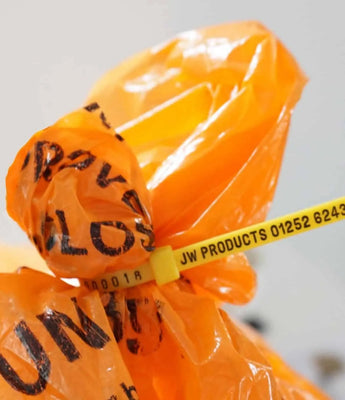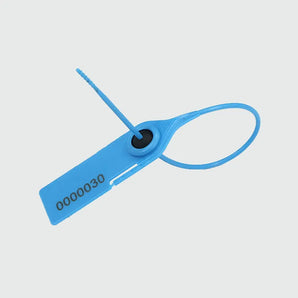
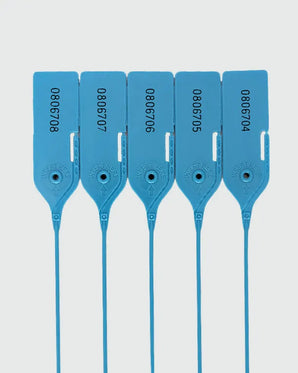
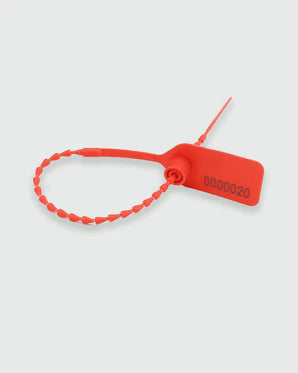
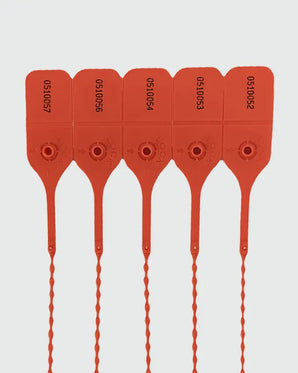
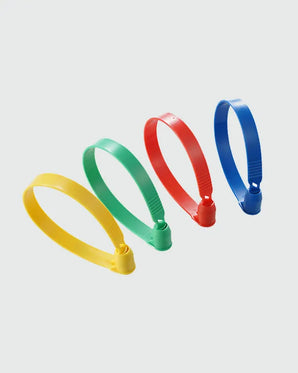
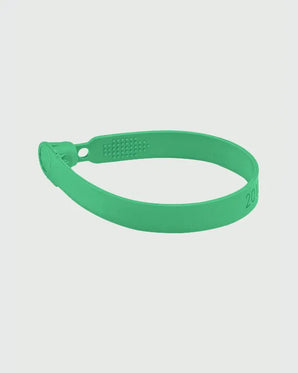
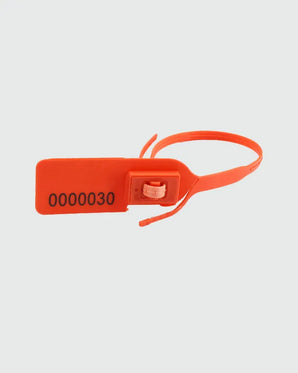
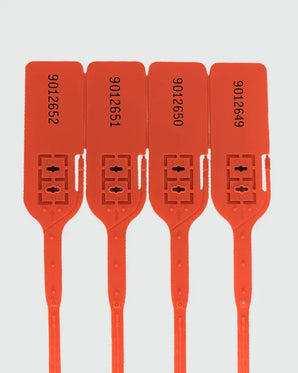
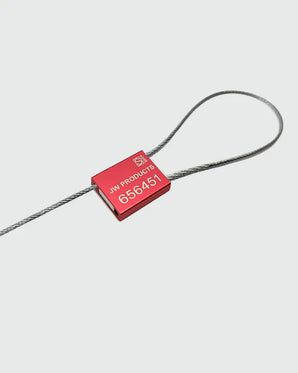
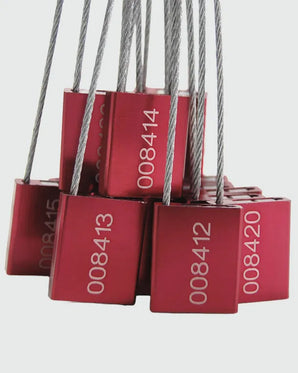
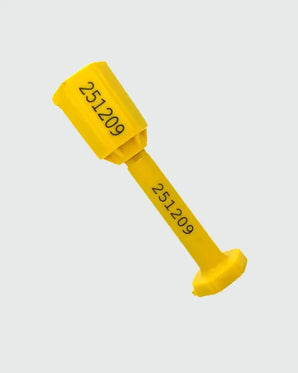
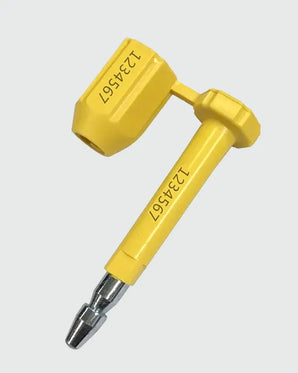
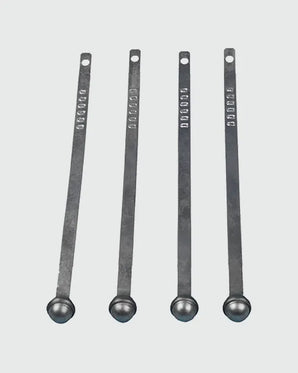
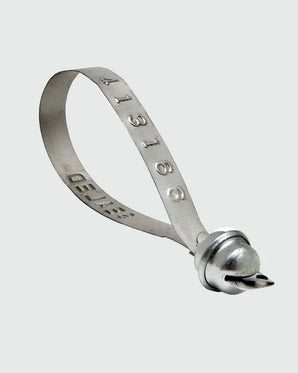
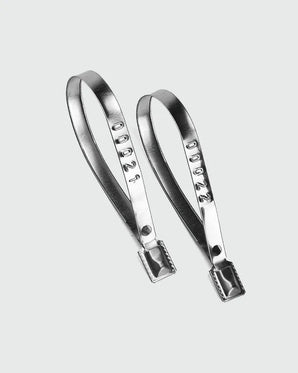
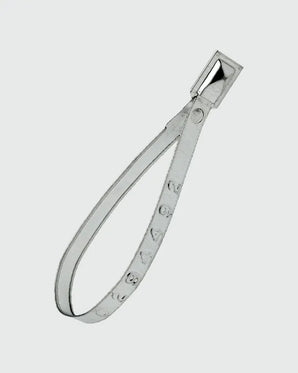
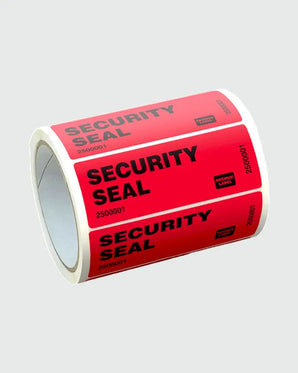
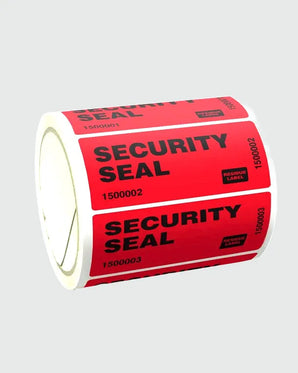
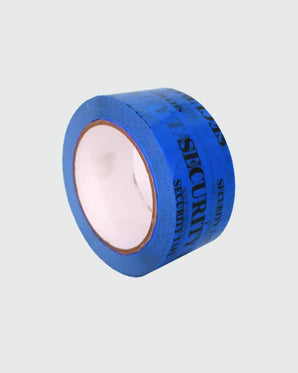
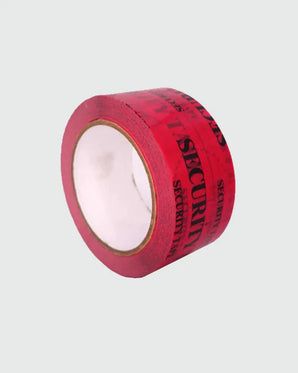
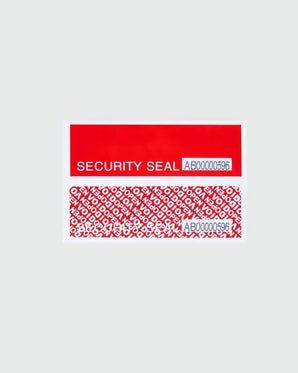
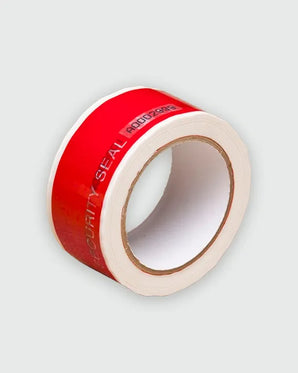
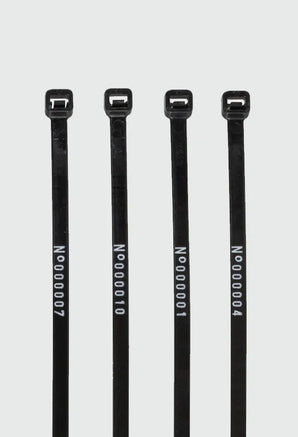
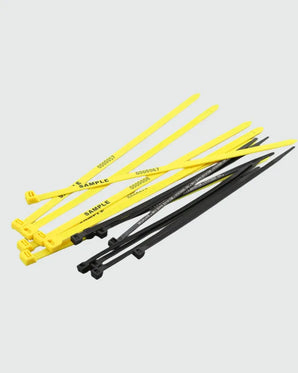




Most single-use tamper-evident security seals should not be reused after they have been opened or removed. Their design allows the user to identify visible evidence of interference, and opening or removing the seal changes the product in a way that affects its intended tamper-evident function.
Once a single-use seal has been removed, the user should apply a new seal where their own process requires the access point or container to be sealed again.
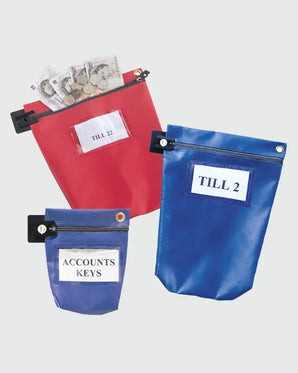
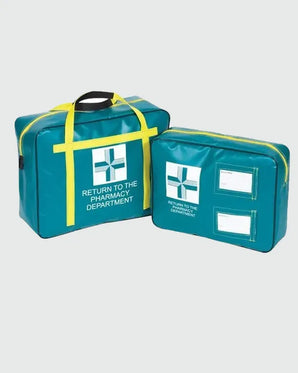
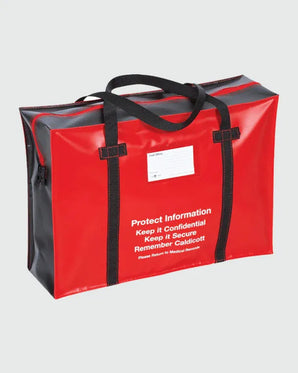
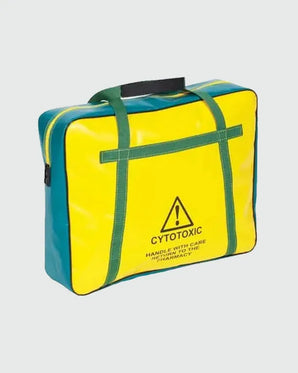
This is different from a reusable security bag or pouch. These products are designed so the main bag or pouch can be used repeatedly, while the particular closure or tamper-evident seal requirements depend on the individual product specification.
Understanding this distinction is important when specifying a product. A single-use security seal and a reusable security bag perform different functions, so the choice depends on what the customer needs to contain, identify or monitor within its own operational process.
Why Are Most Tamper-Evident Security Seals Single-Use?
A tamper-evident security seal provides visible evidence of interference with the point where it has been applied.
Depending on the type of seal, removal may involve breaking, cutting or otherwise changing part of the product. Once that has happened, the seal can no longer perform its original function in the same condition.
This is why single-use security seals should not simply be reapplied after removal.
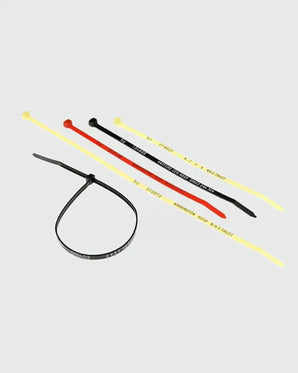
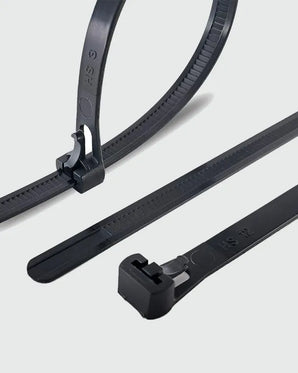
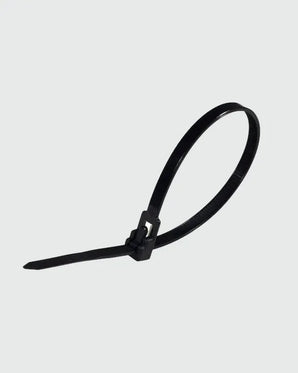
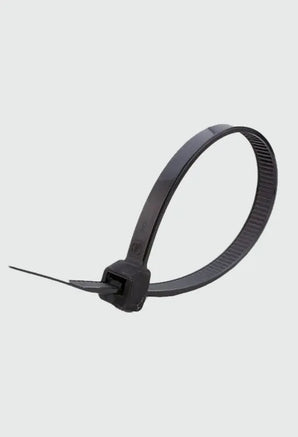
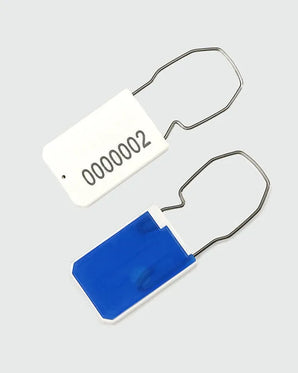
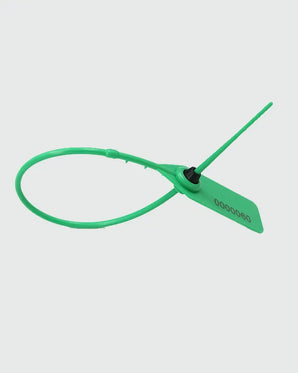
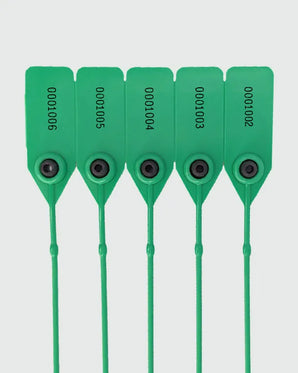
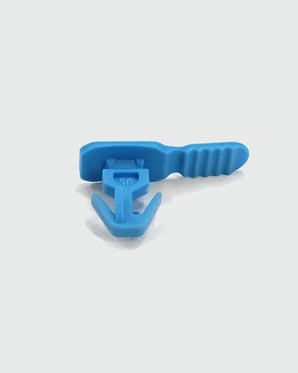
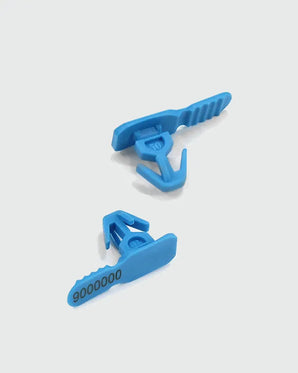
Consider a plastic pull-tight seal. The user applies the seal and tightens it according to the product design. When somebody later needs authorised access, they remove the seal. If the application needs to be sealed again, the user applies another suitable seal rather than attempting to restore the original one.
The security seal does not prevent somebody from accessing the item, and it does not guarantee that interference will always be identified. Its role is to provide the visible tamper-evident characteristics associated with its design.
The user's inspection and recording procedures determine how that evidence is checked and what happens after a seal has been removed.
What Happens to a Security Seal After It Is Opened?
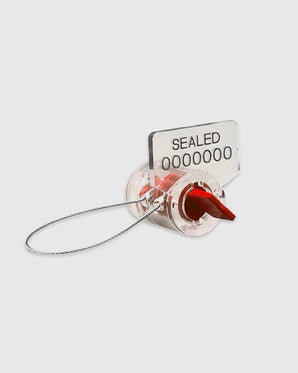
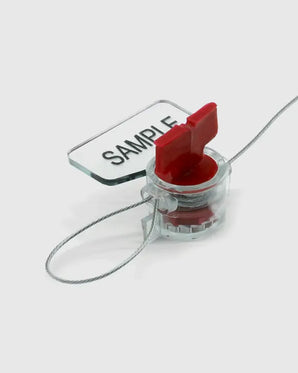
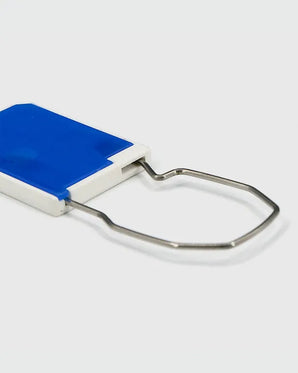
Some plastic security seals require cutting or breaking for removal. Other designs may use different mechanisms that provide visible evidence when somebody opens or removes them.
The common point is that a product designed for single use should not be treated as if it has returned to its original condition after removal.
The user can then apply a replacement seal where required by their own process. Where individual seal numbers form part of the customer's records, the replacement seal will carry a different identifier. The customer can record that new number according to its own procedures.
An authorised replacement does not itself indicate improper access. Maintenance, inspection or another planned activity may require removal. The customer's own records establish why the original seal was removed and how the replacement should be documented.
Does Reusing a Seal Affect Its Tamper-Evident Function?
Yes, if the product has been designed for single use.
A single-use seal relies on its physical design to provide visible evidence of interference. Once somebody has broken, cut or otherwise removed it, attempting to reuse that product would mean using it outside its intended function.
This is different from checking whether a seal can physically be placed back around an item. Physical repositioning does not mean that the product retains the tamper-evident characteristics for which it was manufactured.
Buyers should therefore establish whether the product specification identifies the seal as single-use or reusable rather than assuming that a seal can be used again because some part of it remains physically intact.
Are All Security Seals Disposable?
Buyers should check the specification of the particular product rather than assuming that every security-related product works in the same way.
Many conventional tamper-evident security seals are intended for single use. However, reusable products also exist for applications that involve repeated opening and closing.
The important distinction is the product design.
A product specifically designed for repeated use incorporates that requirement into its specification. A single-use seal does not become reusable simply because the customer would prefer to use it more than once.
This is also why different product categories should not be collapsed into a single definition. Security seals, reusable security bags and standard cable ties perform different functions and should be assessed according to their individual specifications.
What Is the Difference Between a Single-Use Seal and a Reusable Security Bag?
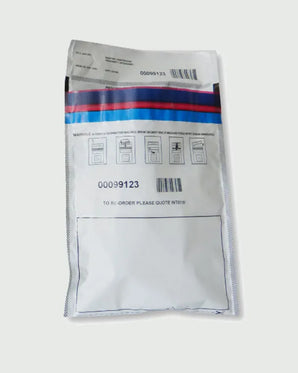
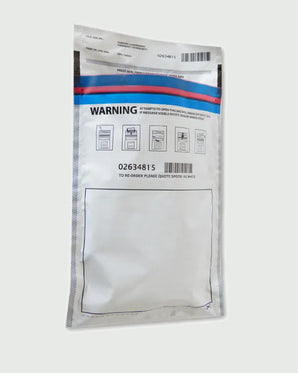
A security seal is applied to an appropriate access point, closure or item and provides visible evidence of interference. When a single-use seal is removed, the customer uses a new seal if the application needs to be sealed again.
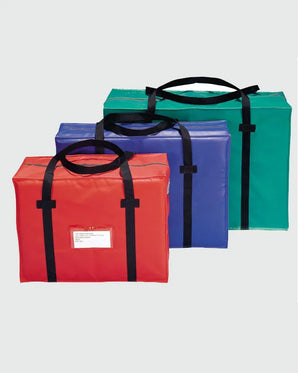
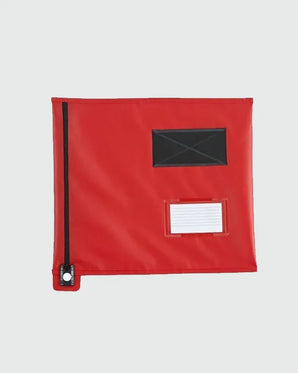
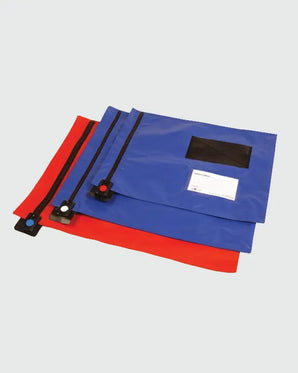
A reusable security bag combines containment with a main product designed for repeated use. Depending on the specification, tamper evidence may be provided by a separate single-use security seal that is replaced after authorised opening.
This can suit applications where the same bag needs to move through repeated handling cycles rather than being discarded after one opening.
The reusable nature of the bag does not mean it performs the same function as a disposable seal. Buyers need to consider the bag construction, closure mechanism and any tamper-evident features included in the particular product specification.
When Might a Reusable Security Bag Be Considered?
A reusable security bag may be considered where an organisation needs a containment product that can be opened and closed repeatedly as part of normal handling.
For example, an organisation may need to transfer documents or other suitable items between locations using the same bag over multiple cycles. A reusable product allows the container itself to remain in circulation rather than requiring a new bag after every authorised opening.
Where tamper evidence forms part of the requirement, the buyer should also establish how the particular reusable product indicates interference. This should come from the product specification rather than from assumptions based on other types of security products.
Reusable bags support handling, containment and, where specified, tamper-evident processes. They should not be described as preventing theft, guaranteeing secure transport or enforcing access controls.
Should You Reuse a Seal That Still Looks Intact?
A single-use seal should be used according to its product specification, even if it appears physically capable of further use after removal.
If a single-use seal has been removed, the appropriate product response is to use a new seal where resealing is required. This maintains a clear distinction between a seal that remains in its original applied state and a replacement introduced after authorised access.
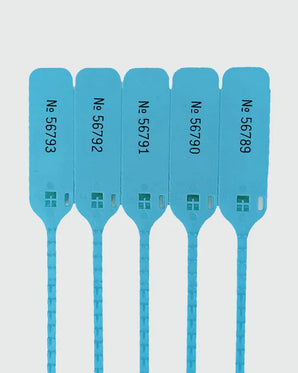
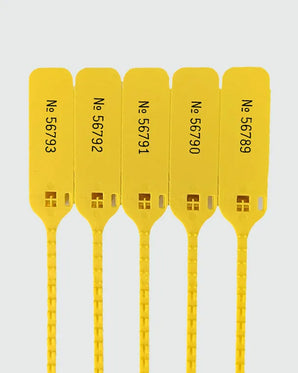
Where numbered security seals are used, the new identifier may also provide a useful distinction between the original and replacement seals. The value of that number depends on the customer recording and checking it within its own process.
How Should Replacement Seal Numbers Be Handled?
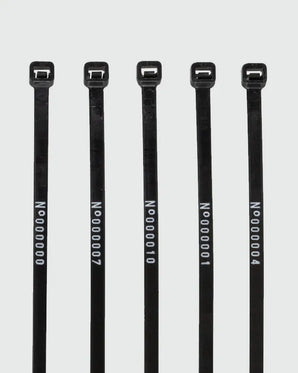
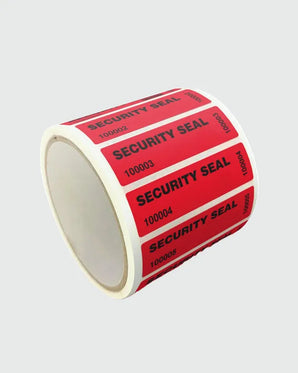
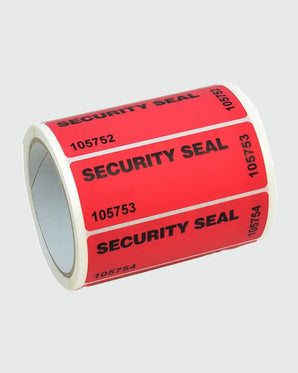
Sequential or unique numbering can help customers distinguish one security seal from another.
The precise information recorded depends on the customer's requirements. A record might include the original number, replacement number and date of replacement, alongside any other information required by the organisation.
Numbering itself also does not prevent interference. It provides identification that customers can incorporate into their own monitoring and inspection procedures.
Are Printed Cable Ties Reusable Security Seals?
Not necessarily, and the product categories should not be confused.
Standard cable ties are mechanical fasteners used for bundling, organisation or containment. Printing a number, code or other information onto a cable tie provides identification but does not automatically make the product tamper-evident.
A standard printed cable tie should therefore not be described as a reusable or disposable security seal unless the specific product has been designed and supplied for that function.
This distinction is particularly important when buyers compare products. The presence of numbering or custom printing does not determine whether a product provides tamper evidence.
What Should Buyers Check Before Ordering?
Before ordering security seals or reusable security bags, buyers should establish the functional requirements of the application.
For a security seal, this includes identifying the type of access point or item involved and the product characteristics required. Buyers may also need to consider dimensions, material, removal method, numbering and other specification details depending on the product.
If repeated opening forms part of normal use, the buyer should establish whether a reusable containment product is more appropriate than repeatedly attempting to use a product designed for one application.
These are product-selection considerations rather than an assessment of the customer's security, compliance or operational procedures. The customer remains responsible for establishing product suitability and how the product will be used within its own operation.
Can JW Products Clarify Whether a Product Is Reusable?
Yes. If you are unsure whether a particular JW Products item has been designed for single or repeated use, our team can clarify the product specification.
This is particularly useful when comparing product categories that may appear similar but perform different functions.
We can provide information about available security seals, reusable bags and pouches, identification options and other relevant product characteristics. We can also confirm current product availability and applicable ordering information.
JW Products supplies products to specification. Customers remain responsible for determining how the selected product fits within their own security, compliance and operational procedures.
So, Can Security Seals Be Reused?
For conventional single-use tamper-evident security seals, the answer is no. Once somebody opens, breaks or removes the seal, it should not be treated as reusable. Where the application needs to be sealed again, the user applies a new suitable seal according to its own process.
Reusable security bags and pouches belong to a different product category. They are designed for repeated handling and opening, with product characteristics intended for that type of use.
The important point is to follow the specification of the individual product rather than treating all tamper-evident and containment products in the same way.
If you need clarification about whether a JW Products security seal, bag or pouch is intended for single or repeated use, contact our team for product information and specification details.