



A load that reaches a warehouse or distribution centre on time may still be held if the container seal number does not match the dispatch record. For warehouse managers and transport operators, that can mean delayed unloading while receiving staff establish what changed and whether the load can proceed.
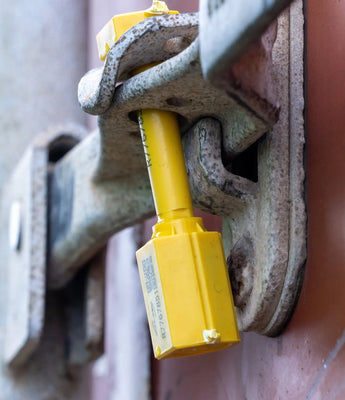
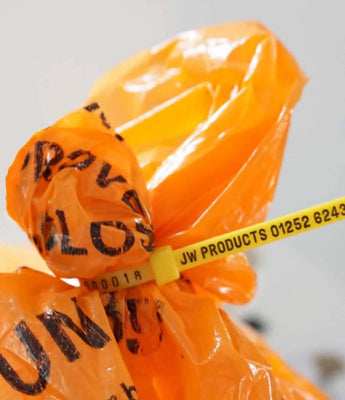
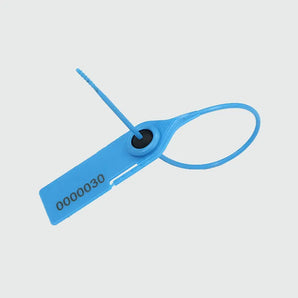
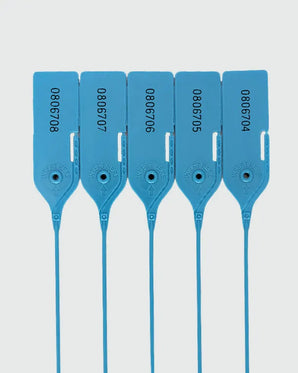
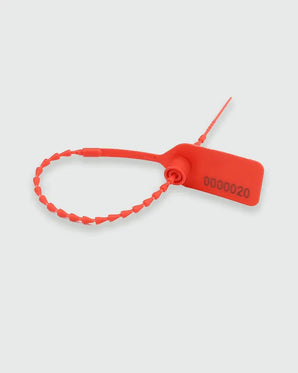
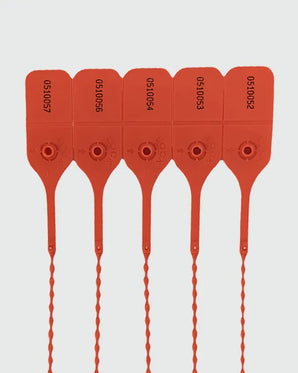
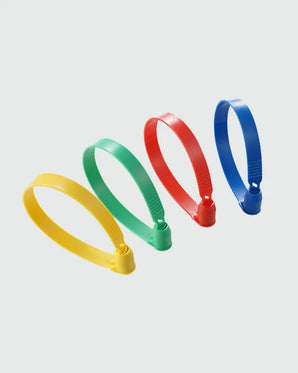
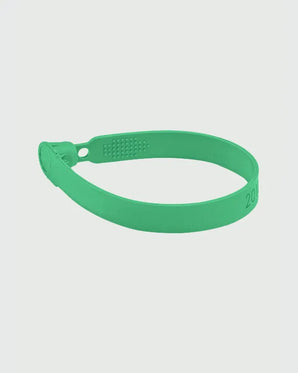
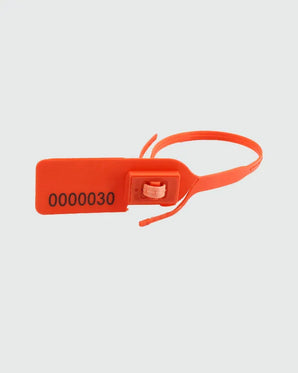
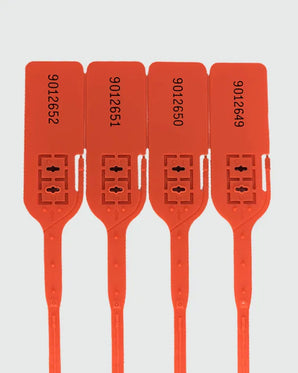
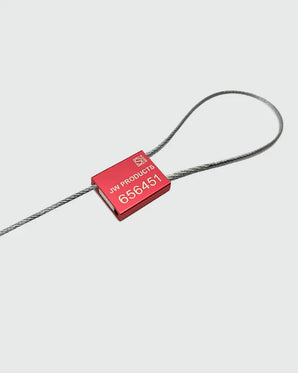
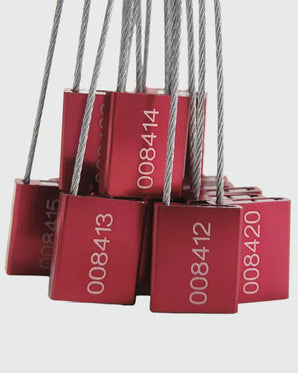
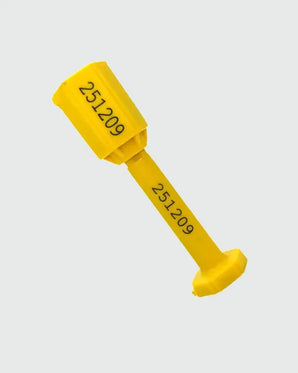
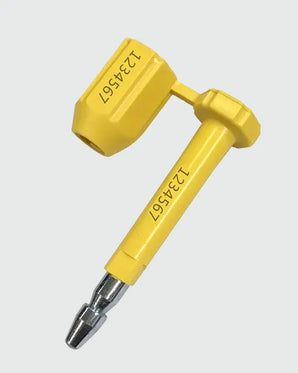
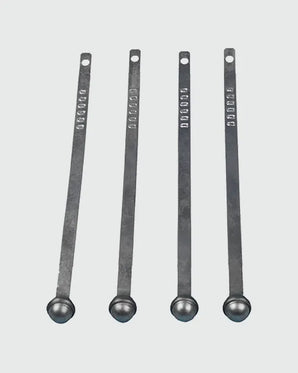
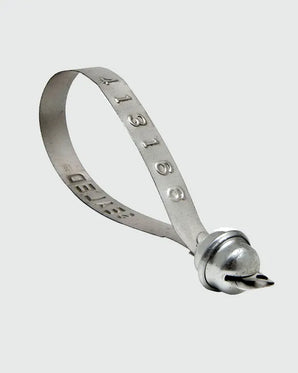
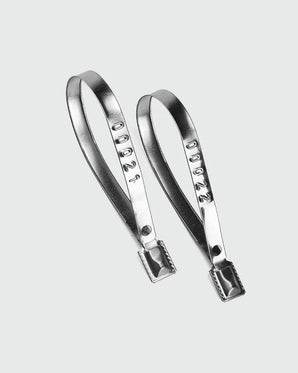
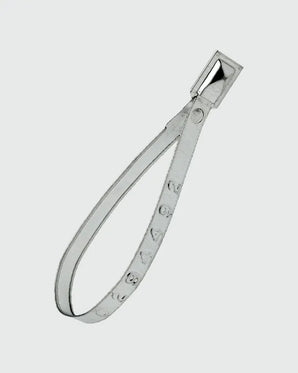
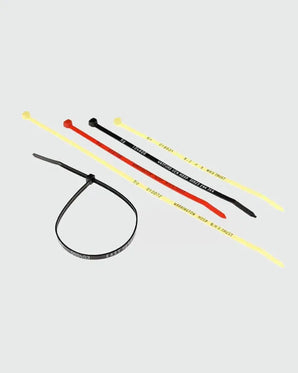
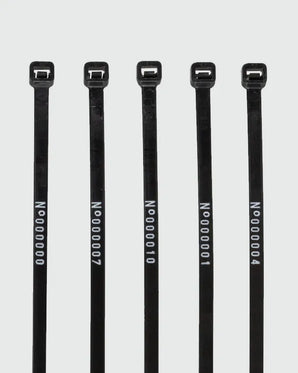
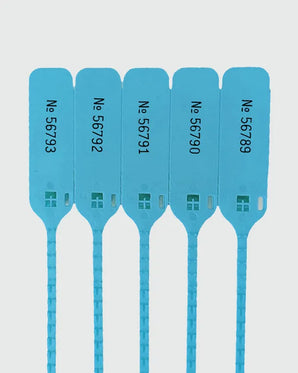
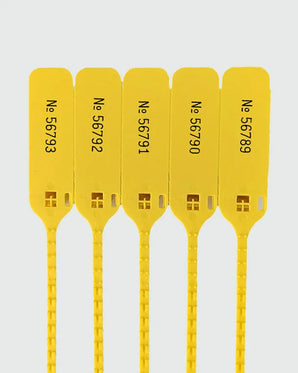
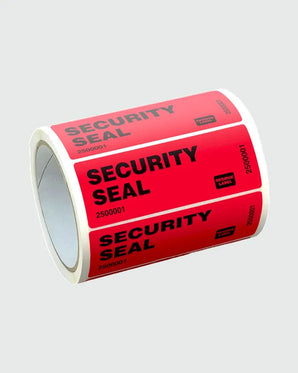
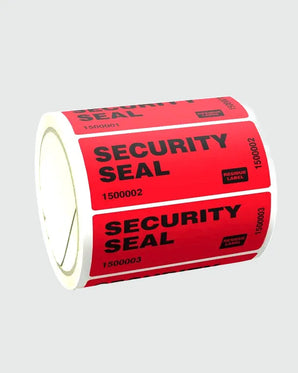
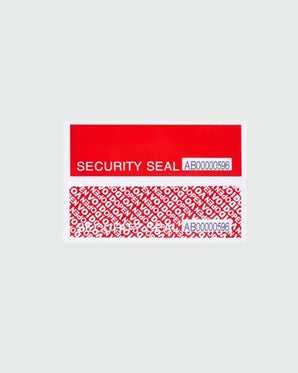
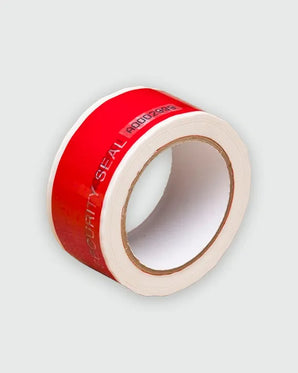
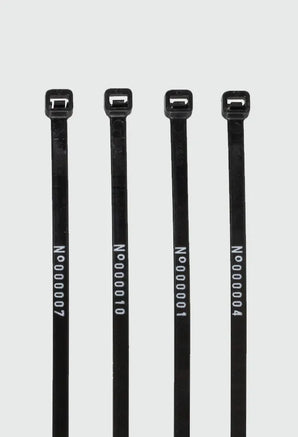
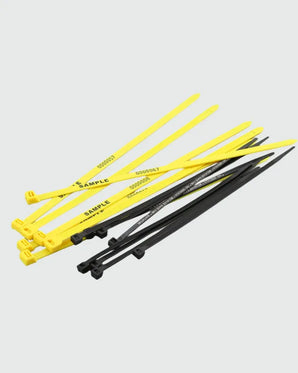
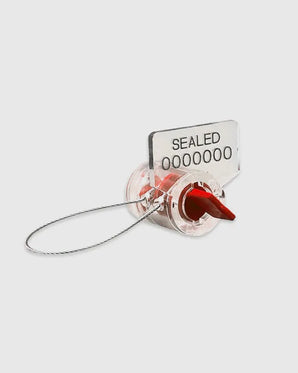
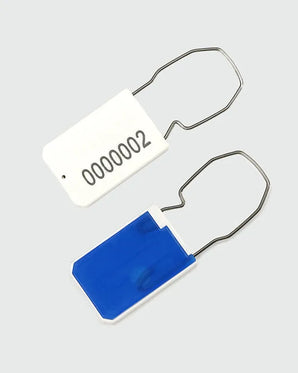
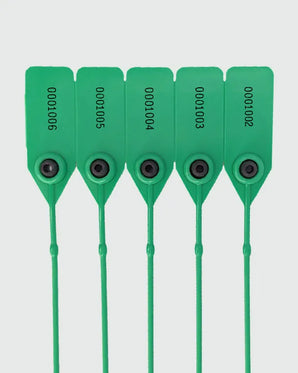
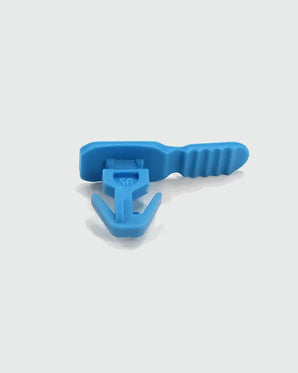
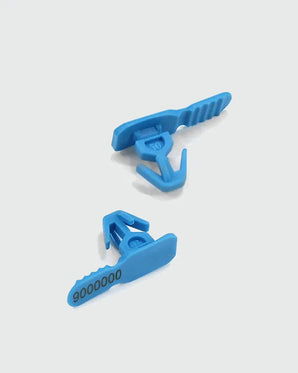
A numbered bolt seal gives dispatch and receiving staff one identifier to record and check from dispatch to receipt. If an authorised opening requires a replacement, the new seal number can stay connected to the same shipment record. JW Products supplies stock-numbered and custom-printed High Security Bolt Seals for freight and transport applications, including sequential numbering and barcode options so the identifier can form part of the shipment and handover record.
Receiving staff need enough information to explain a seal change at delivery, recognise when customs requirements alter the response and trace any replacement seal back to the shipment record. Clear records give them more information when deciding whether the load can proceed under the relevant procedure.
Why can a broken container seal delay or stop a load at delivery?
Receiving staff compare what arrives with what dispatch recorded before unloading or accepting the load. A damaged or missing seal creates an exception. So does a number that differs from the dispatch record.
That exception may trigger a record check, a call to dispatch or a hold under the organisation's procedure. What matters is whether receiving staff can explain the change and continue under the agreed procedure.
How do bolt seal numbers support chain of custody?
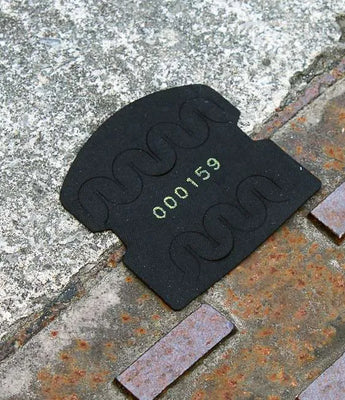
Dispatch staff can record a unique bolt seal number against the shipment before it leaves. At receipt, receiving staff can check the number on the seal against that record before opening the load.
When the seal number remains attached to the shipment record, receiving staff can check the same identifier that dispatch recorded. If an authorised inspection requires a new seal, the replacement number can remain with the original shipment record.
Which records help resolve a broken or mismatched seal at delivery?
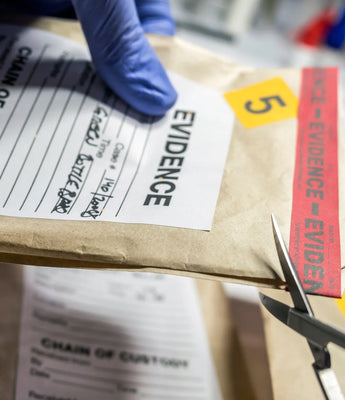
Receiving staff need evidence that connects the physical load with the dispatch record.
· The original seal number is the first reference to check. It lets receiving staff compare the fitted seal with the identifier that dispatch recorded.
· The recorded seal condition shows what receiving staff found at delivery. Notes can distinguish an intact seal from one that is damaged or missing. They can also record if the seal was already broken when the load arrived. Photographs can form part of the record where the organisation's procedure calls for them.
· When an authorised opening requires a replacement seal, recording the new number against the shipment preserves the link with the original record.
· Other shipment details can help confirm the correct load. Trailer or container numbers and the shipment reference provide useful cross-checks.
If the records do not explain the change, receiving staff may need to escalate the issue. Dispatch staff, the supplier, the carrier or a compliance contact may hold the missing information.
Logistics managers who want to tighten the link between dispatch records and receiving checks can contact JW Products to compare numbered and custom-printed bolt seal options for their handover process.
Does a broken bolt seal mean a load has to be rejected?
A broken bolt seal does not automatically mean the load must be rejected. What happens next depends on the available records and the procedure that applies to the shipment.
An authorised inspection with a recorded replacement number gives receiving staff a clear explanation for the change. An intact seal with an unexplained number presents a different problem because nobody can connect it to the dispatch record.
Customer, carrier or customs requirements may still require a hold or another action even when receiving staff can explain the seal change.
What changes when a broken seal is part of a customs procedure?
Customs controls govern some movements and can add specific requirements to the normal company handover process.
HMRC guidance on official customs seals and trader sealing sets out requirements around the breaking, replacement and reporting of relevant customs seals. HMRC states that, in all cases of unauthorised seal breakage, permission from a customs officer is required before anyone removes or unloads the goods originally secured by that seal.
A seal used within a customs procedure may trigger requirements that do not apply to an ordinary operational seal. Where customs controls apply, receiving staff need to consider those rules alongside the organisation's own process.
How can dispatch staff prevent bolt seal problems at receiving?
Missing or incomplete information at dispatch can create problems when the load reaches receiving. Numbered bolt seals give logistics operators a physical identifier that can stay connected to the shipment throughout the journey.
This is where we can support the process. We supply stock-numbered bolt seals that provide a ready-made sequential reference, alongside custom-printed options with numbering or barcodes that can fit an organisation’s existing recording process. This gives logistics and procurement staff a practical way to match the physical seal with the way loads are recorded and checked at handover.
Recording the original bolt seal number at dispatch
The original seal number establishes the reference for the journey. When dispatch staff record it against the shipment before departure, receiving staff can compare the seal on arrival with the identifier already on file. Our stock-numbered bolt seals provide an individual reference without requiring a custom print format. Where an operation needs identifiers that follow its own numbering or barcode system, we can supply custom-printed options to suit that recording process.
Keeping replacement seal numbers connected to the shipment
An authorised inspection may require someone to remove the original seal and fit another one. Recording the replacement number against the same shipment preserves the link between the original dispatch record and the seal that eventually reaches receiving. The reason for the change can sit alongside that replacement number, giving receiving staff a clearer explanation for why the original seal is no longer present.
Building the seal reference into the handover record
A practical shipment record can include:
· Seal number
· Seal condition
· Trailer or container identifier
· Shipment or order reference
· Details of any authorised replacement
Dates, times or photographs can also form part of the record where the organisation’s procedure requires them. We supply the physical seal and identification options that support this process. Your own transport system, seal log or shipment record then carries that identifier through each handover. Bolt seals provide the visible, traceable reference that dispatch and receiving staff can check against the load record.
Escalating an unexplained seal problem
When staff cannot resolve a seal issue, a clear escalation route puts the decision with the right person. That avoids ad hoc decisions at the gate.
Choosing bolt seals for load traceability and handover checks
Suitable bolt seals need to fit the closure and support the handover process. The closure point and required security level help determine which specification suits the application.
For operations that need a unique reference without their own custom markings, a stock-numbered bolt seal may suit the process. Where the identifier needs to match an internal recording system, custom printing can add sequential numbering or barcodes.
JW Products supplies both options and can help logistics or procurement staff choose a seal that suits the closure and required security level. The identification method can then be matched to the way the shipment is recorded. Where a security classification or standard applies, staff can also check the exact product specification and supporting documentation.
Buyers who want to compare related barrier-seal options can browse JW Products' metal security seals before choosing the specification that fits the application.
How numbered bolt seals support clearer load acceptance decisions
Clear seal records give receiving staff more information when they need to explain an unexpected seal change.
When seal problems regularly delay loads, the first places to review are the dispatch record and the way receiving staff handle an unexplained change.
For operations that need clearer seal identification at handover, request a quote from JW Products to compare stock-numbered and custom-printed bolt seals.