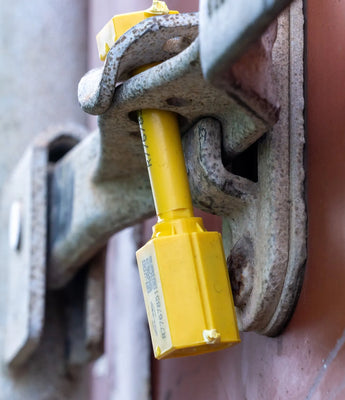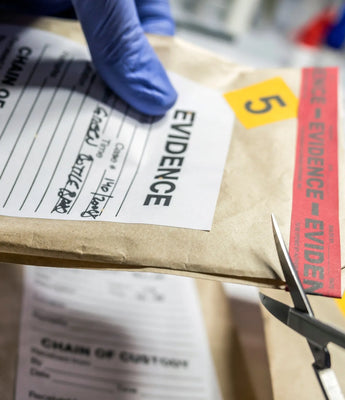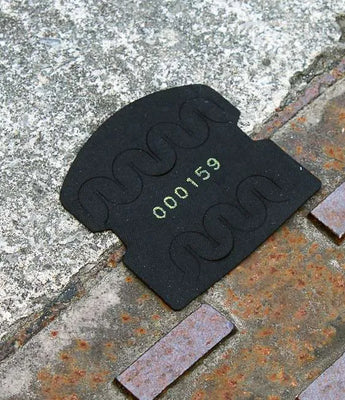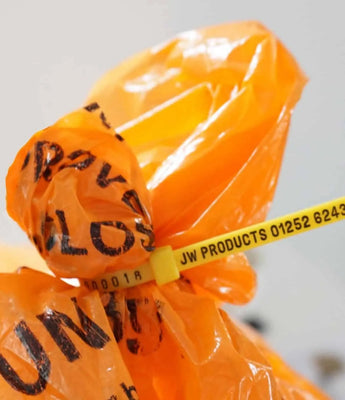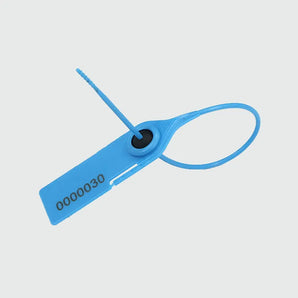
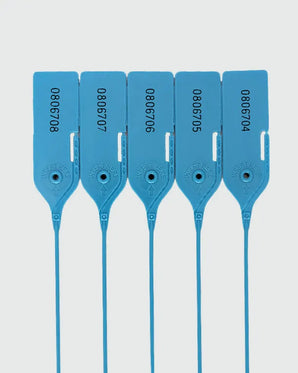
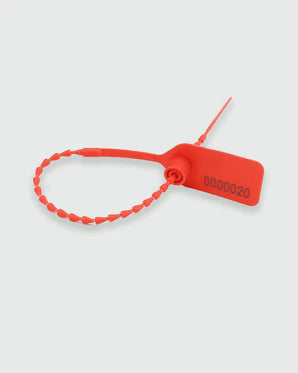
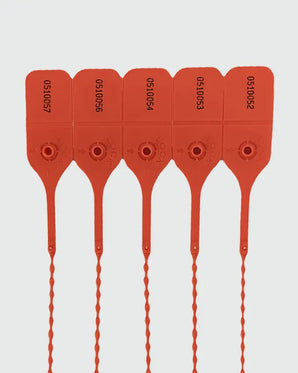
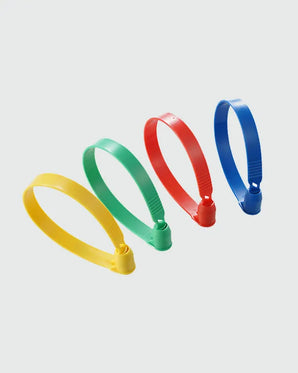
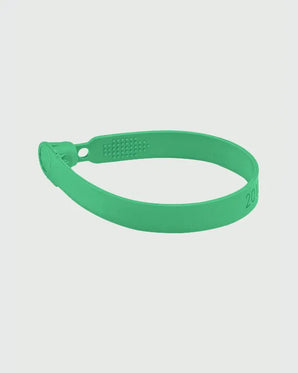
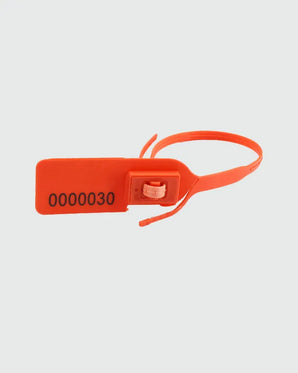
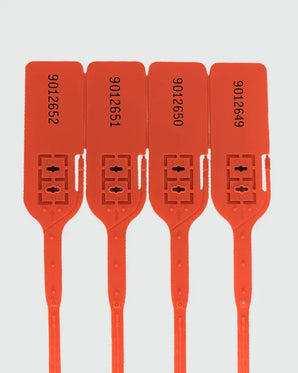
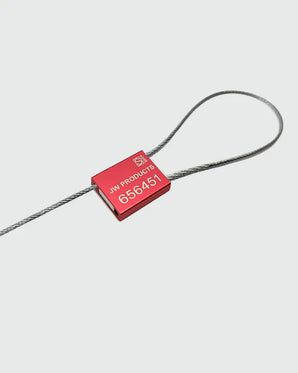
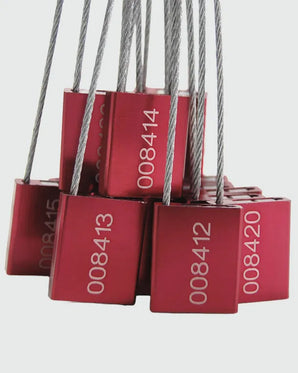
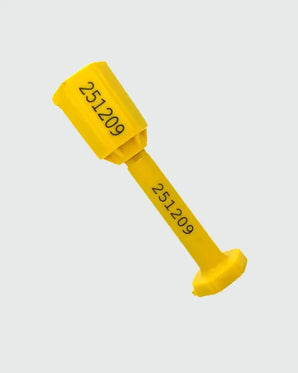
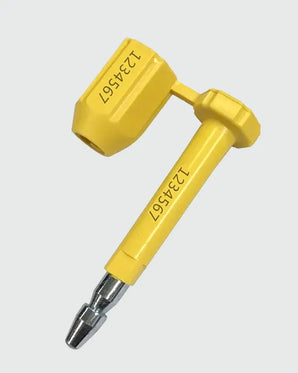
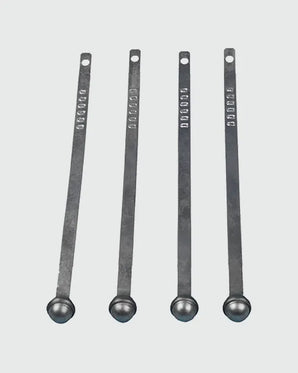
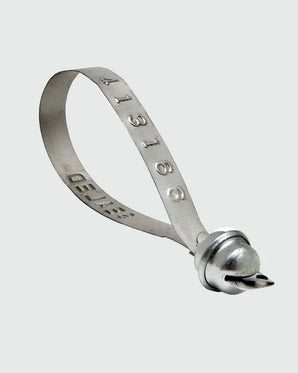
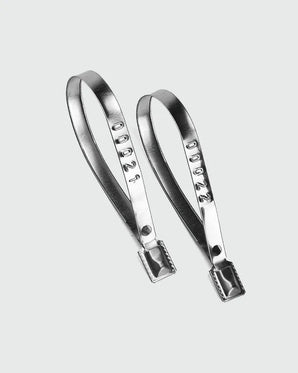
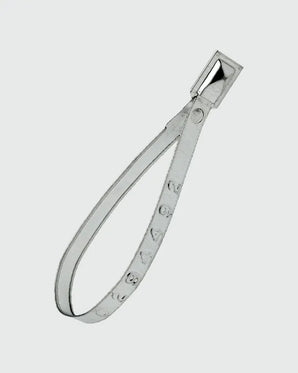
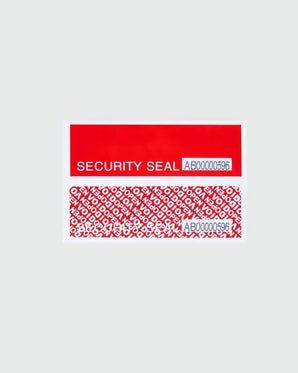
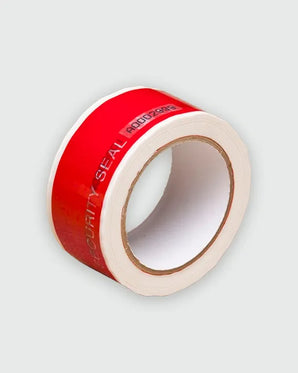
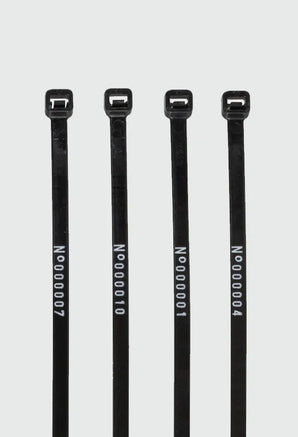
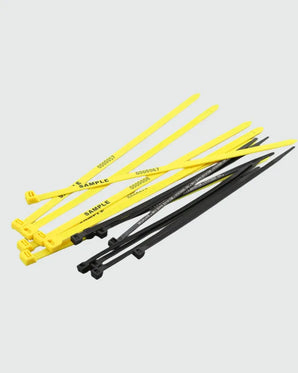



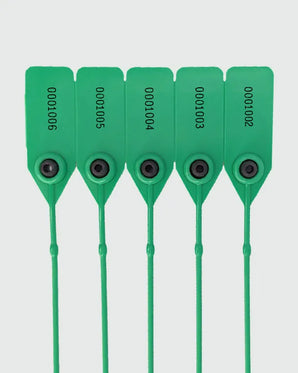

Some security seals can be removed by hand, while others need cutters or another suitable tool. The difference depends on how the individual seal is designed, including its locking mechanism, material and any built-in breakaway feature.
For buyers responsible for specifying tamper-evident products, removal is an important consideration. A seal may need to remain in place during routine handling, but somebody will eventually need to open the container, equipment or access point to which it is fitted.
Choosing a suitable security seal means understanding both how it is applied and how it is removed. At JW Products, we supply different types of security seals, and customers can compare their characteristics before placing an order.
Hand Removal or Cutters: What Is the Difference?
The main distinction is whether the seal has a feature intended for manual removal or requires a separate tool to break or cut it.
|
Removal method |
What it means |
What buyers should confirm |
|
Hand removal |
The seal has a feature designed to allow manual removal |
Whether the selected product includes that feature |
|
Cutter removal |
The seal requires a suitable tool for removal |
Which tool is appropriate for the product |
|
Product-specific removal |
The seal has a particular removal mechanism |
The manufacturer’s stated removal requirements |
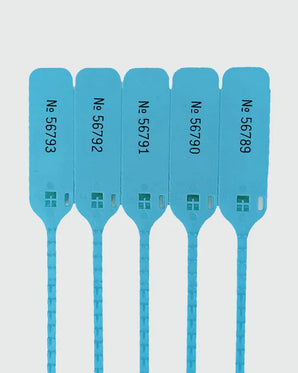
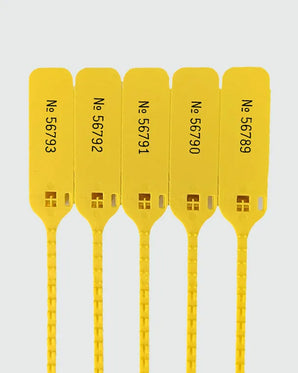
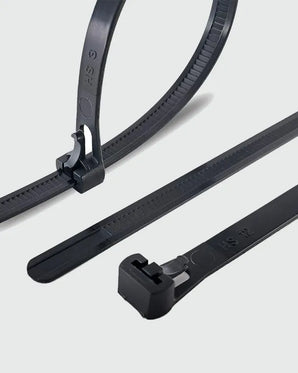
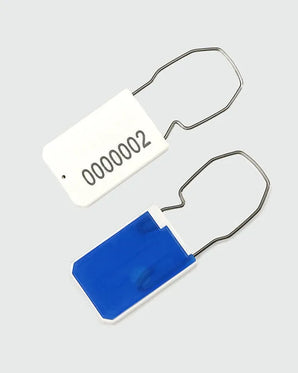
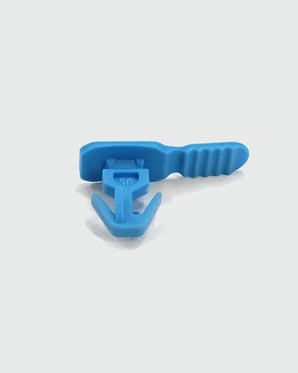
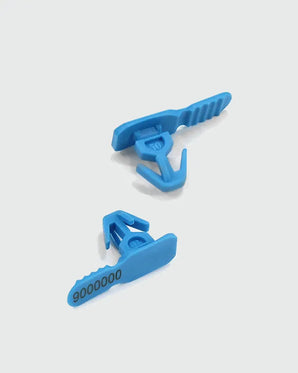
A hand-removable seal may incorporate a tear-off or breakaway section. This allows the user to remove it without a separate cutting tool.
Other security seals do not have this feature. Their construction means the user must remove them using an appropriate tool.
Neither approach is automatically preferable. The buyer needs to consider the product’s intended application and the removal requirements established by their organisation.
Importantly, the removal method does not determine whether a product is tamper evident. That function depends on the design of the individual security seal.
When Is a Hand-Removable Security Seal Worth Considering?
Hand-removable security seals may be relevant where users regularly need access to an item and the customer has specified a tool-free removal requirement.
For example, a facilities team may need to open a sealed access point during scheduled checks. If the application permits a hand-removable product, the team may prefer a design that does not require a separate cutter.
The same consideration can arise when a logistics team removes seals at a receiving point or when maintenance personnel access equipment during planned work.
These examples illustrate situations where removal requirements matter. They do not establish that a hand-removable seal is suitable for every facility, shipment or piece of equipment.
Buyers should check the individual product specification, particularly its dimensions, fastening characteristics and intended removal mechanism.
A plastic security seal should not be assumed to have a breakaway feature simply because it is made from plastic. Some plastic designs require cutting, while others incorporate manual removal features.
When Might a Seal That Requires Cutters Be Appropriate?
A tool-removable security seal may be considered where the customer has no requirement for manual removal and can accommodate the product’s intended removal method.
This is a product selection consideration rather than an indication of greater security.
For example, some applications may already involve equipment or components that authorised personnel open using tools. In these circumstances, the customer may decide that a security seal requiring a suitable cutter meets its requirements.
However, the type of tool matters. A cutter appropriate for one seal may not suit another product with different materials or construction.
Buyers should not assume that ordinary scissors, wire cutters or other tools are interchangeable across plastic, cable and metal security seals.
The relevant product information should establish the removal requirements before the customer places an order.
JW Products can clarify the characteristics of the seals it supplies, while the customer determines how authorised removal will be managed.
Does a Security Seal That Needs Cutters Provide Better Tamper Evidence?
Not necessarily. The need for cutters does not establish the effectiveness of a security seal’s tamper-evident features.
A tamper-evident security seal is designed to provide visible evidence of interference. It does not prevent somebody from gaining access or guarantee that every attempt at interference will be identified.
Some products incorporate manual breakaway features while still serving a tamper-evident purpose. Others require cutting because of their particular construction.
The distinction is important because buyers sometimes associate difficulty of removal with greater security. That assumption cannot be supported by the removal method alone.
A product that requires cutters should not automatically be described as more secure than one designed for hand removal.
Likewise, a hand-removable seal should not automatically be considered unsuitable for an application requiring tamper evidence.
Customers need to assess the relevant product characteristics against their own requirements rather than treating the removal method as an overall security rating.
How Do Removal Requirements Differ Between Seal Types?
Security seals are available in different forms, and buyers should avoid applying one removal assumption to an entire product category.
Plastic pull-tight seals
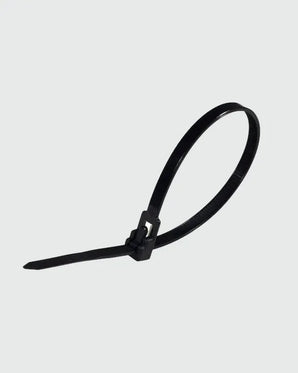
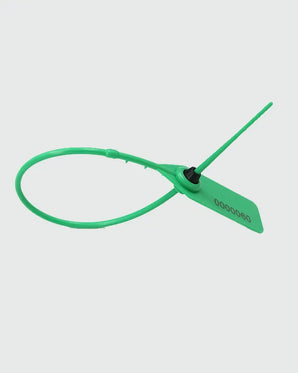
Plastic pull-tight seals use a fastening arrangement that allows the user to tighten the seal around an appropriate application point.
Their removal method depends on the individual design. Some plastic security seals incorporate manual removal features, while others require cutting.
A pull-tight fastening mechanism does not, by itself, confirm how the product should be removed.
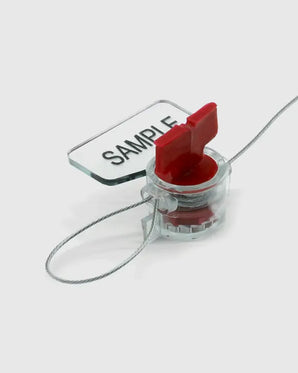
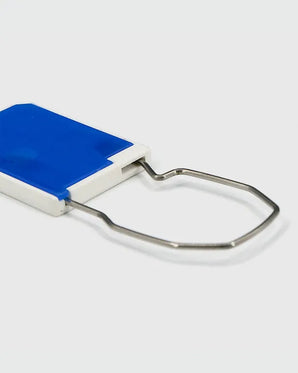
Cable and metal security seals
Cable-based and metal security seals have different construction characteristics from conventional plastic pull-tight products.
Some require suitable cutting tools, but buyers should confirm the requirements of the specific product rather than assuming every cable or metal seal uses the same removal method.
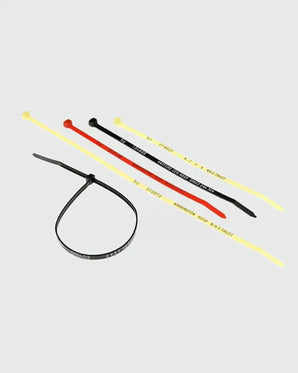
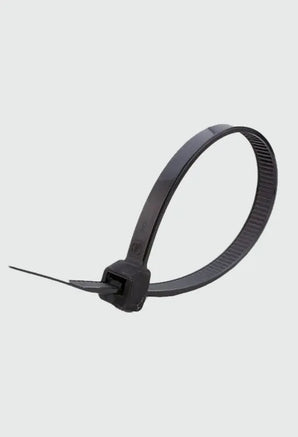
Standard cable ties
Standard cable ties are mechanical fasteners used for bundling, organisation or containment.
They should not be treated as tamper-evident security seals unless the particular product has been designed for that purpose.
A cable tie’s removal method does not make it a security seal. Buyers should establish whether they need a mechanical fastening product or a product with an intended tamper-evident function.
Can Pull Strength Tell You Whether Cutters Are Required?
Breaking strength and removal method are separate product characteristics.
Breaking strength describes a stated mechanical rating, while removal method concerns how the product is intended to be opened or removed.
For example, JW Products' current specifications identify DUA Seals with a 45 kg breaking-strength rating and Multipurpose High Strength Seals with a 25 kg breaking-strength rating.
Those figures allow buyers to compare stated breaking strength. They do not establish whether either product incorporates a manual breakaway feature or requires a particular cutter.
A buyer should therefore avoid using the breaking-strength rating as a substitute for checking the removal requirements.
This distinction is particularly useful when comparing products that appear similar but have different specifications.
Where both characteristics matter, customers should confirm them separately before ordering.
What Happens When You Remove a Single-Use Security Seal?
Removing a single-use tamper-evident security seal means the product cannot be reapplied in its original condition.
If the customer needs to seal the same access point again, they should use a new suitable seal rather than attempting to reuse the removed product. This applies regardless of whether the original seal was removed by hand or with a cutter.
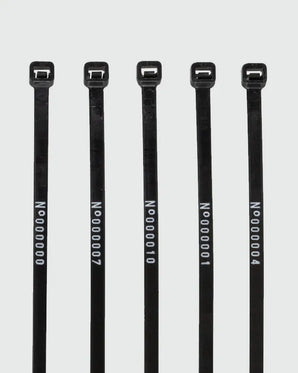
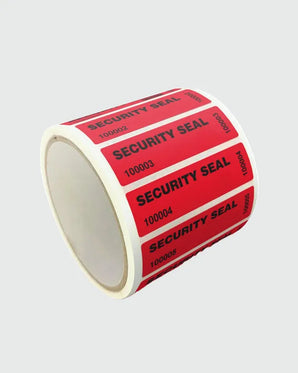
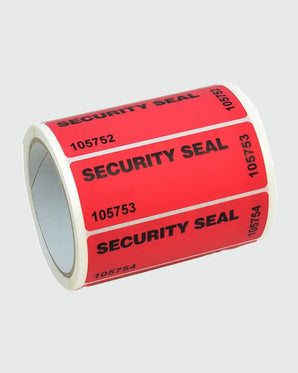
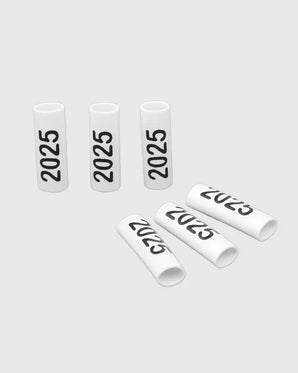
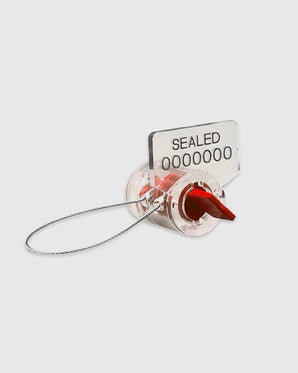
Some security seals carry individual identification numbers. Where the customer uses those numbers in its own records, a replacement seal can be recorded under its new identifier.
The removal method does not change the purpose of the identification number. Numbering helps distinguish individual seals, while the tamper-evident design provides the intended indication of interference.
JW Products supplies identification options where supported by the selected product. Customers establish their own requirements for recording, inspection and replacement.
Five Details to Confirm Before Ordering
When comparing security seals, buyers can establish the relevant specification without needing to develop an entire operational procedure with the supplier.
1. Required removal method. Does the application call for a hand-removable product, or is tool-assisted removal acceptable?
2. Application dimensions. What are the measurements of the fastening point, and what seal length is required?
3. Product construction. Is the requirement for a plastic security seal, cable seal, metal seal or another product type?
4. Identification requirements. Does the customer need individual numbering, barcoding or other printing?
5. Order requirements. What quantity is needed, and when must the products be available?
Providing this information helps identify the relevant product specifications and explain the available options. Where a customer already uses a particular seal, the existing product reference may also help clarify the enquiry.
JW Products can provide product information about removal characteristics. Customers remain responsible for deciding how the selected product fits within their own access and removal procedures.
Choosing a Security Seal That Matches Your Removal Requirements
The answer to whether security seals need cutters is straightforward: some do, and some can be removed by hand.
What matters is the design of the selected product and whether its removal characteristics correspond with the customer’s requirements.
Hand-removable seals may be relevant where tool-free access is specified. Other applications may accommodate seals that require suitable cutters. Neither removal method automatically provides greater tamper evidence or guarantees protection against access.
Before ordering, compare the seal’s removal mechanism, dimensions, fastening characteristics and any required identification features.
If you need clarification about a particular security seal, contact JW Products with your product reference or application specifications. Our team can provide information about available products, removal characteristics and ordering options.