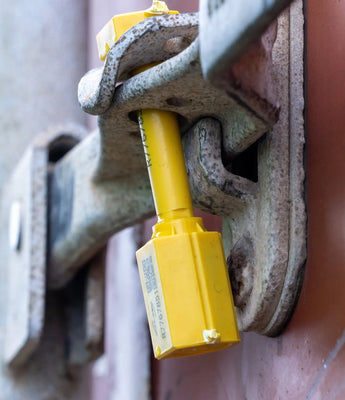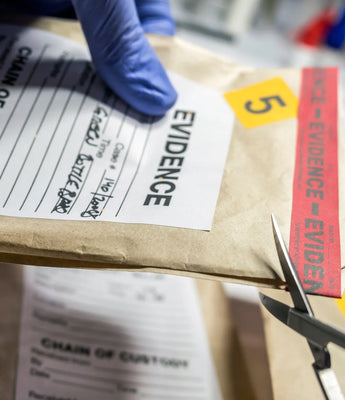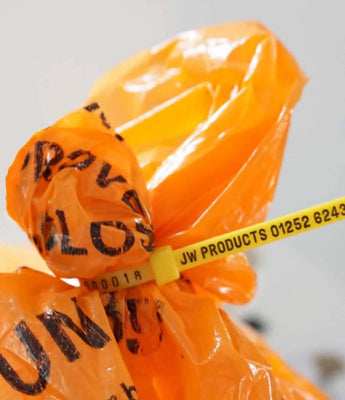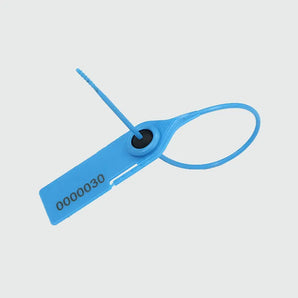
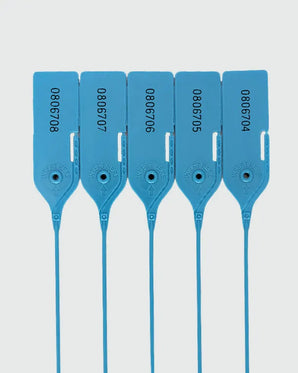
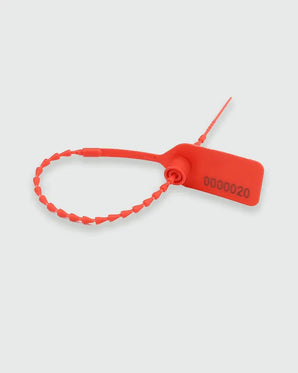
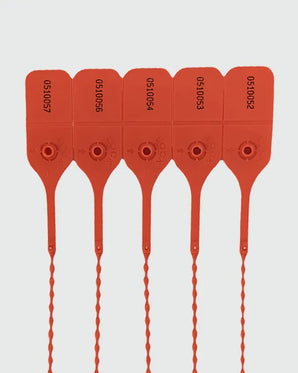
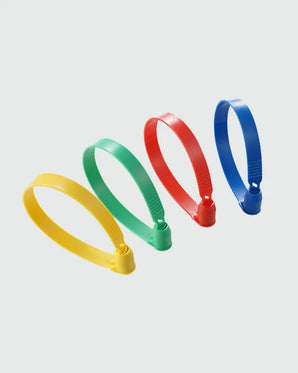
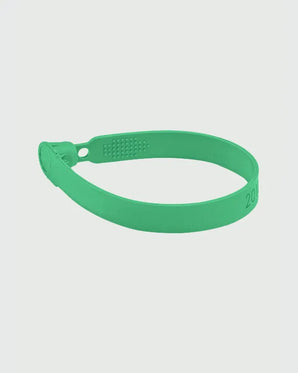
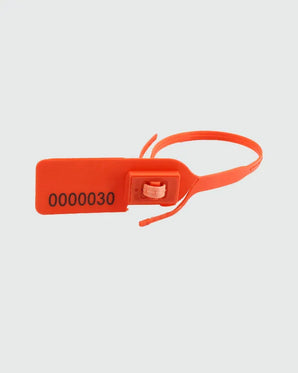
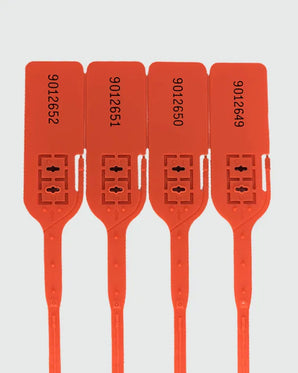
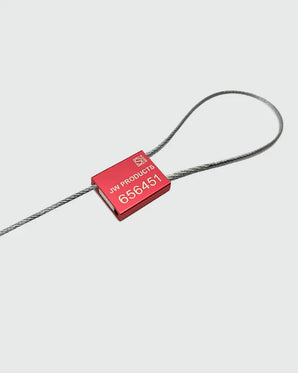
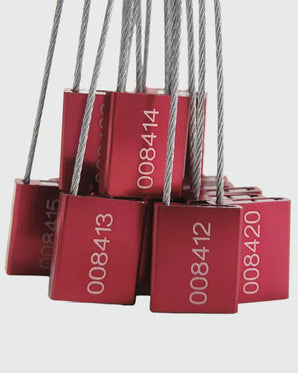
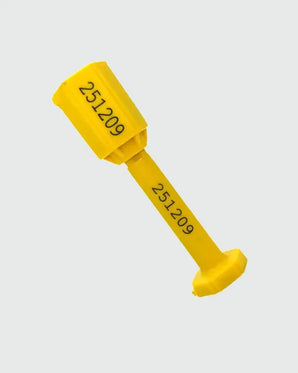
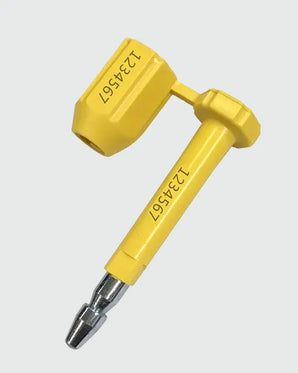
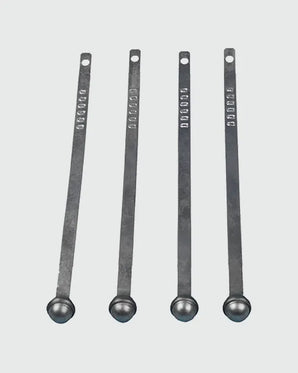
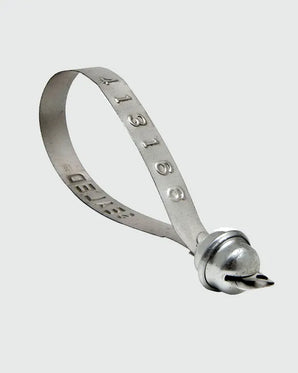
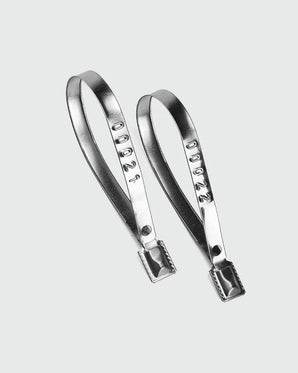
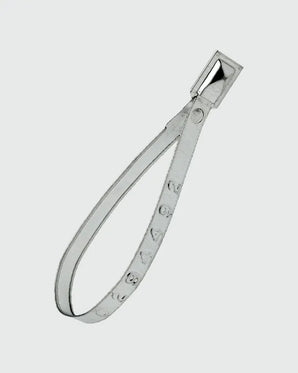
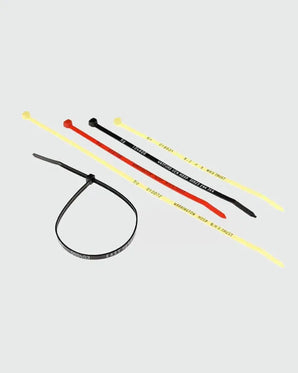
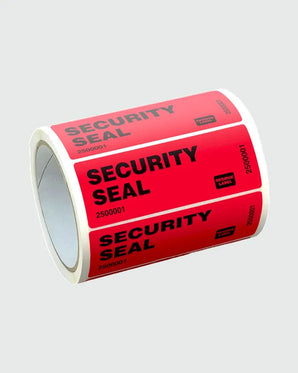
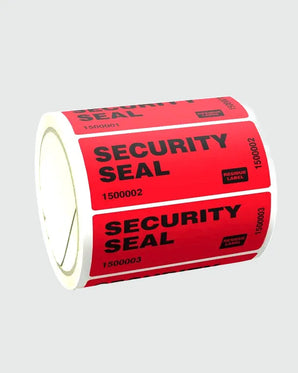
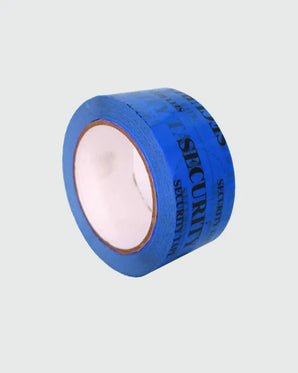
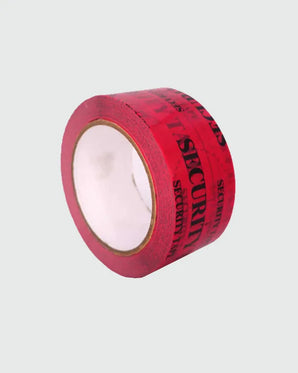
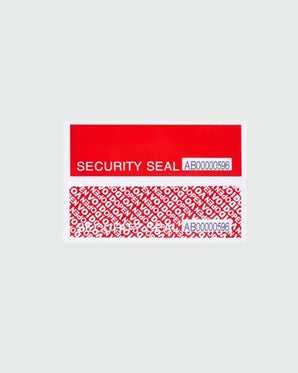
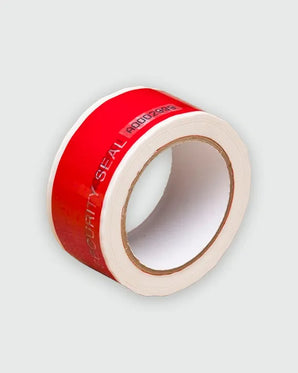
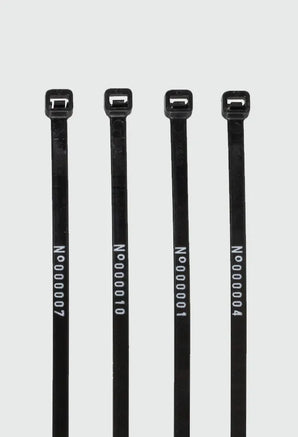
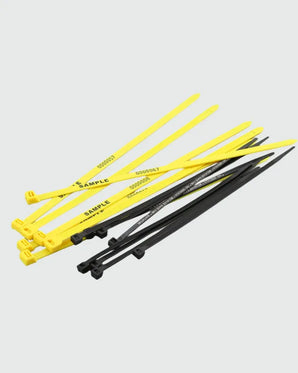
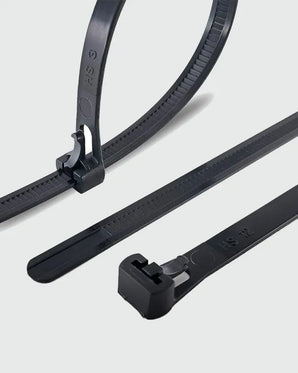
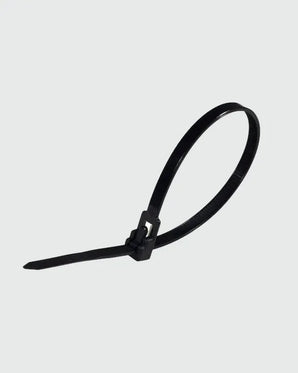

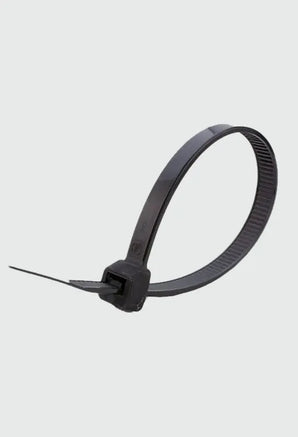

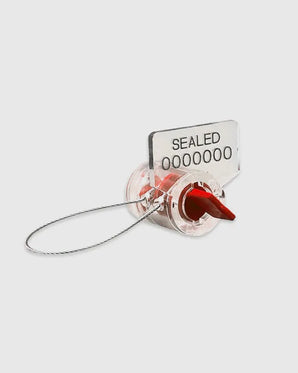
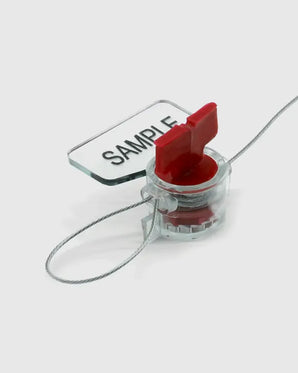
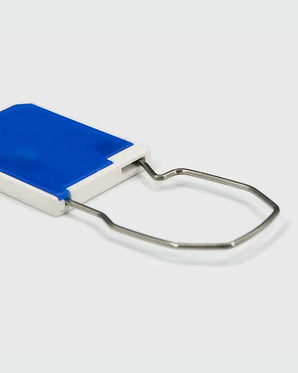
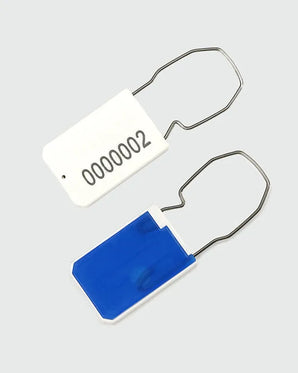


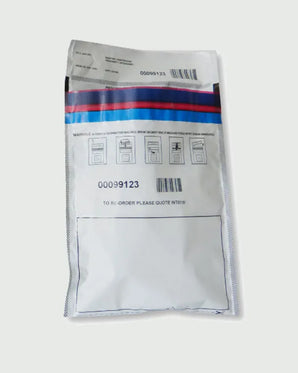
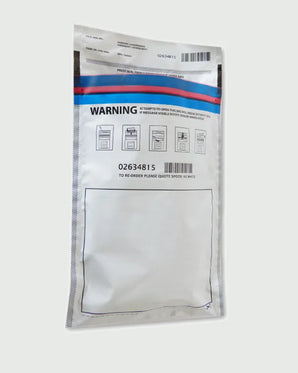
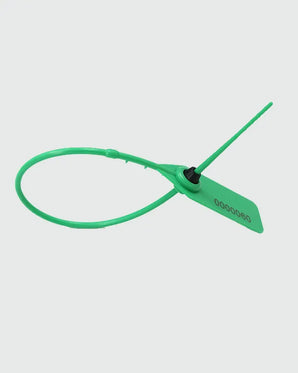
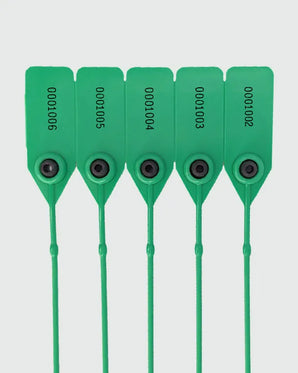
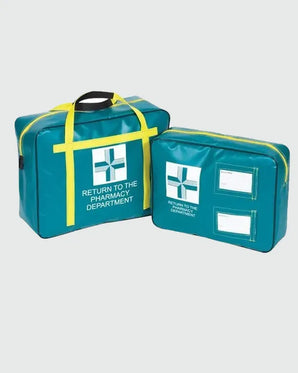
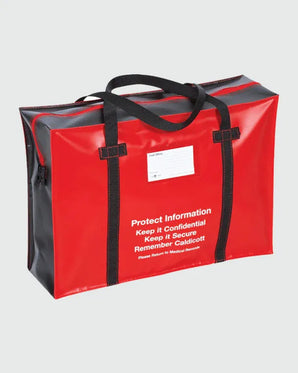
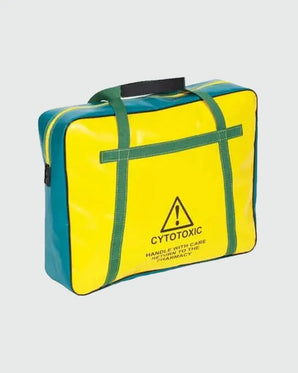
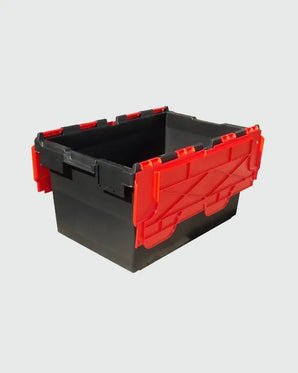

Maintaining an unbroken chain of custody for patient records demands attention in clinical logistics, where even the smallest oversight can lead to significant data governance risks. A tamper evident seal provides transport teams with tangible proof that document bags remain secure from the moment of dispatch to the final point of receipt. Records managers use these high-specification seals to protect sensitive information during every handover, ensuring that internal privacy policies remain intact throughout the transit lifecycle. This workflow keeps transport routines ready for routine audits and makes the entire logistical operation more resilient for healthcare organisations that handle large volumes of physical patient data.
How do medical records stay accountable during transport?
Accountability in transit relies on a rigorous, verifiable process that leaves no room for ambiguity. Couriers move physical files between busy clinical sites, and receiving teams must verify that no unauthorised party accessed the contents while the bags were in the possession of a third party. Guidelines like the NHS Records Management Code of Practice mandate documented tracking for all physical assets to prevent data loss. A tamper evident seal for medical records serves as the primary mechanical anchor for these vital tracking protocols. JW Products provides the high-specification seals needed to establish this secure baseline state for every bag, helping your internal team maintain an unbroken, transparent audit trail throughout the entire journey from one facility to the next.
Why is visual verification useful for patient records?
Clinical environments require fast and efficient handover processes to keep up with high patient turnover. High-specification sealing indicators from JW Products eliminate uncertainty by providing immediate, clear confirmation of physical integrity at a glance. GP practices and laboratory links require quick, reliable confirmation of data status to keep diagnostic and administrative workflows moving smoothly. Because handover chains often involve multiple third-party couriers, clear operational checkpoints are necessary to manage transit risks and ensure compliance. Staff can check the external closure immediately instead of opening entire bags to verify contents, which significantly saves time during peak shifts and reduces the risk of accidental document damage or misplacement.
What are the benefits of a numbered security indicator?
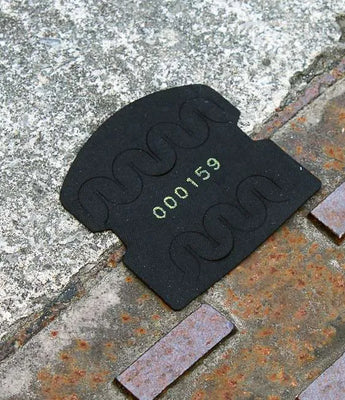
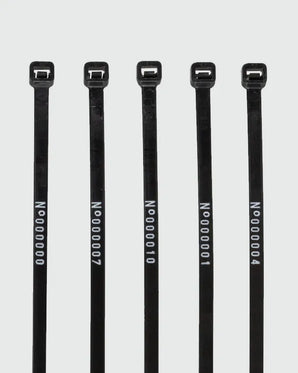
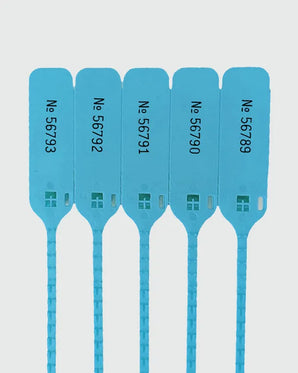
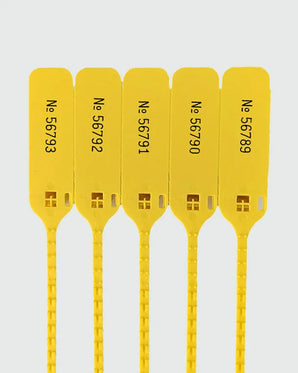
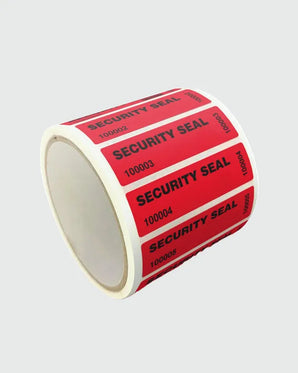
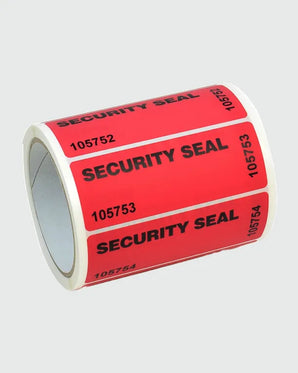
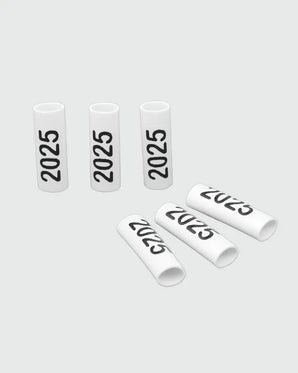
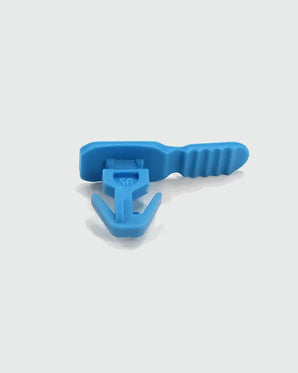
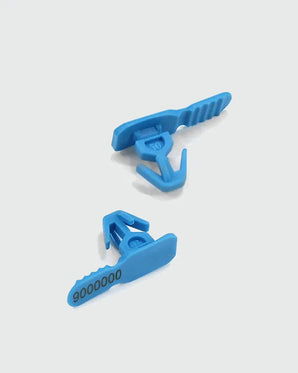
A numbered tamper evident seal for records introduces a unique, non-replicable identifier into the chain of custody. While standard fasteners indicate only that a bag is closed, unique numbering from our range actively prevents common interference methods like seal substitution. The dispatch team logs a unique, sequential number on the manifest for every transfer, which then becomes part of the permanent record. Receiving staff verify that the physical number on the tamper evident seal for confidential documents perfectly matches the original log entry. This process creates defensive documentation because unique numbers defy replication in the field, ensuring that any attempt to tamper with the records is instantly highlighted during the verification stage.
How should clinical teams standardise transport verification?
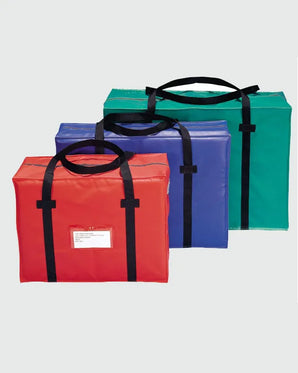
Teams must standardise the routine across all sites to make a tamper evident seal for medical record bags work as intended. Human error becomes a major risk without a strictly enforced, sequential process. The workflow begins at the point of dispatch where staff use our high-contrast, easy-to-apply seals to establish a secure, verified baseline. Couriers transport the sealed container without opening the closure during the journey, and receiving staff conduct a thorough physical inspection for signs of interference before breaking the seal to access the files. JW Products offers holdalls designed to work seamlessly with these seals, ensuring the entire system functions as a reliable operational benchmark. If your current transit workflow leaves gaps in your audit trail, speak to the JW Products team to request a sample pack of our latest security indicators today to pressure-test your internal logistics against potential vulnerabilities.
What should records managers do when a transport closure is compromised?
A broken or missing tamper evident seal for healthcare transport requires an immediate, pre-defined incident response to protect patient data. Staff should immediately isolate the container and halt the processing of those specific records until the issue is investigated. The handler must capture high-quality photographs of the damaged indicator for the official internal review. Teams must cross-reference the serial number against the original dispatch manifest to confirm if a substitution occurred, and the records manager should report the anomaly through formal internal compliance channels. Without a robust sealing system already in place, these anomalies often remain undetected until a serious data breach occurs. Teams protect sensitive data and the integrity of the overall transport system by treating every breach with a formal response, often using our replacement seals to restart the cycle only once the investigation concludes.
How can clinical teams build a culture of accountability in document handling?
Quality containment depends entirely on the team responsible for its application. Accountability requires a strong culture of verification where staff understand the stakes of handling personal health information. Records managers should set clear expectations for seal inspection at every single handover point using JW Products indicators as the industry standard. Standards remain high through regular, documented audits of transport logs to ensure staff record serial numbers correctly every time. The chain of custody strengthens significantly when a team treats verification as a non-negotiable operational step.
What should records managers look for in a medical records container closure?
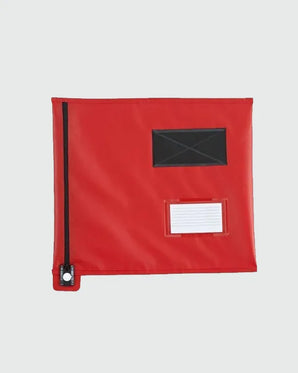
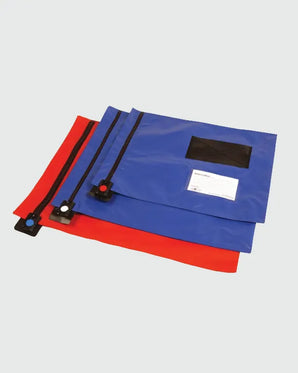
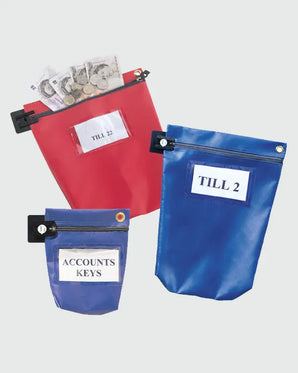
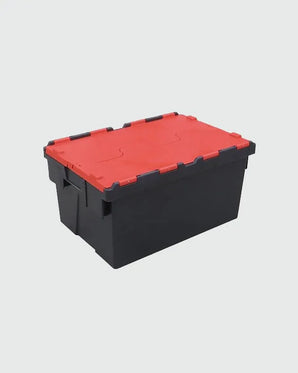
Selecting a tamper evident seal for medical records requires balancing long-term durability with the realities of daily, high-speed transport. Managers should carefully evaluate how the product interacts with specific equipment like our purpose-built holdalls. The locking mechanism must fit the eyelet or zipper without requiring force, which could damage the bag over time. The material must react clearly to interference by showing signs like stress whitening or fractures. JW Products designs these solutions to be easy to apply during high-volume dispatch windows without requiring specialist tools or extensive training. Additionally, serial numbers must be sharp, high-contrast, and scratch-resistant to prevent common logging errors that undermine the audit trail.
Does a security indicator prevent unauthorised access?
A tamper evident seal for confidential documents is not a lock and is not a physical barrier intended to stop a determined intruder. Healthcare operations must recognise this clear functional boundary. These items function as indicators rather than foolproof solutions. Their real value lies in their ability to expose any attempt at unauthorised opening, allowing for immediate identification of a problem. Healthcare administrators can take immediate corrective action by using this clear evidence of interference provided by JW Products sealing technology. By doing so, they ensure that unverified transfers never compromise internal data integrity, keeping the organisation protected against the risks associated with missing or intercepted physical records.
To review product sizing and material options, or request technical datasheets for our medical records holdalls and compatible indicators, contact the JW Products team.
Frequently Asked Questions
How do temperature variations during transit affect the integrity of plastic security seals?
High-specification seals undergo rigorous stress testing to ensure performance across standard UK temperature ranges. Low temperatures can make plastics brittle, while high heat may alter the material. Our products maintain consistent locking strength to ensure they perform reliably in all weather conditions during courier transport, regardless of external exposure.
Can staff apply these indicators to existing document storage bags without modification?
Most medical-grade holdalls feature standard eyelets or zipper configurations designed for compatibility with our security indicators. We offer a variety of seal lengths and thicknesses to accommodate different bag specifications. Contact our team to confirm compatibility with your current fleet of transport containers to ensure you have the right fit for your existing equipment.
How long should records departments retain transport logs involving sequential seal numbers?
Retention periods depend on local organisational policy and the sensitivity of the documents being transported. Most NHS trusts and private clinics align their log retention with their wider records management schedules. Maintaining these logs alongside your digital transport records provides a complete, defensible audit history for data protection officers during regulatory reviews.
Do these seals comply with GDPR requirements for physical data protection?
Data protection regulations mandate appropriate technical and organisational measures to prevent loss or unauthorised access to personal data. Physical seals act as a measurable, effective control within a secure logistics chain. Implementing them supports your compliance posture by providing objective, physical evidence that your access controls remain active during the entire transit lifecycle.