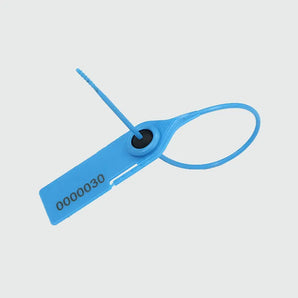
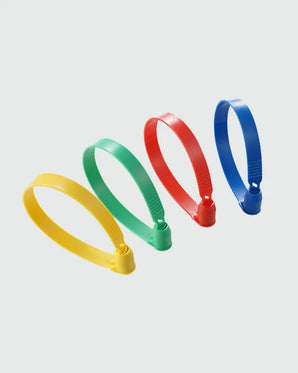
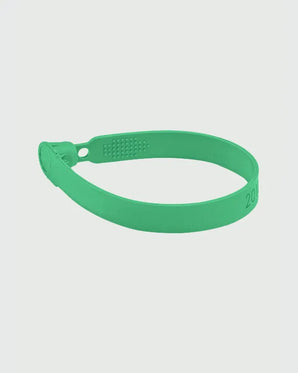
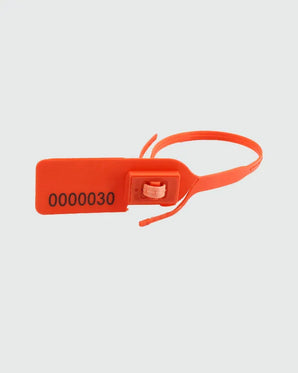
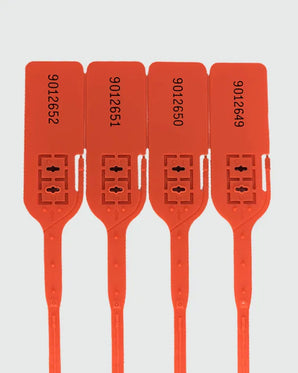
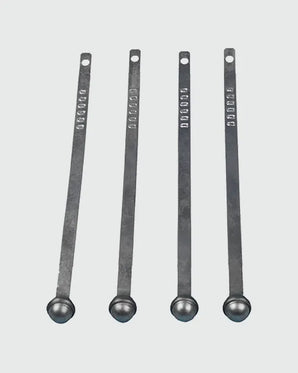
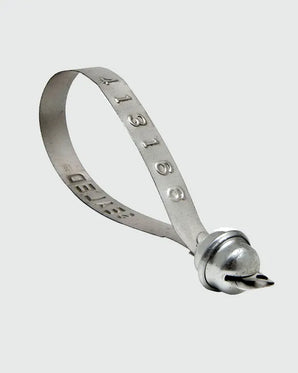
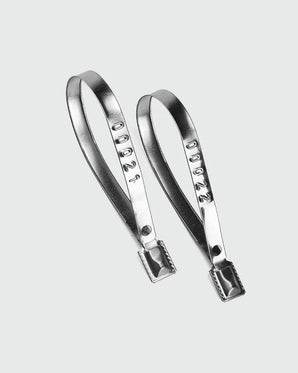
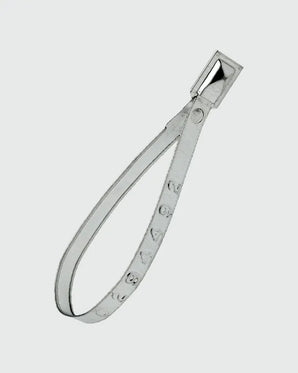
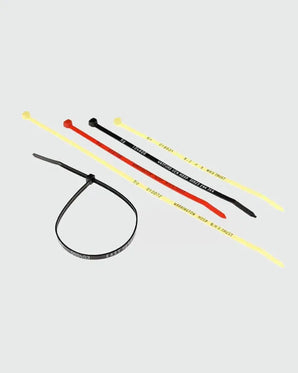
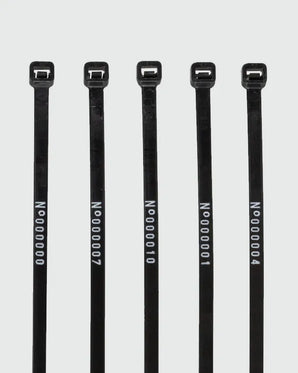
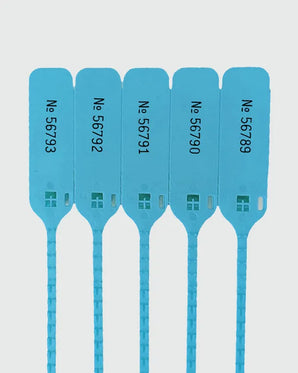
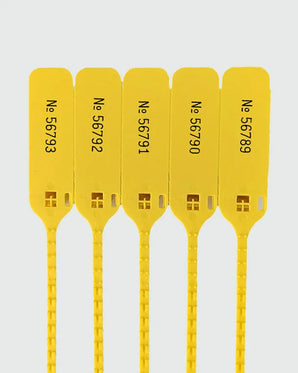
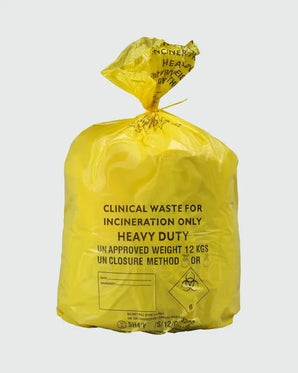
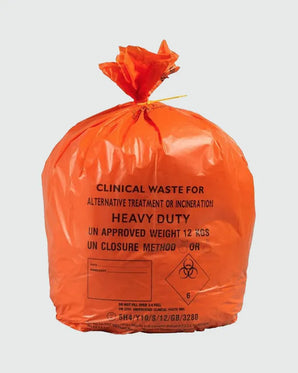
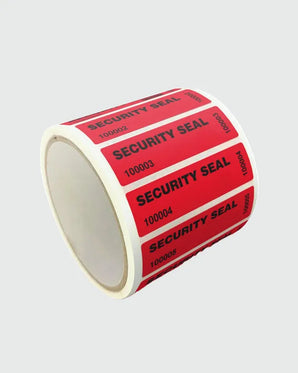
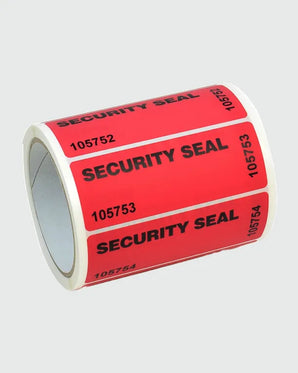
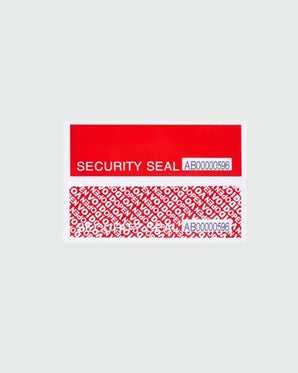
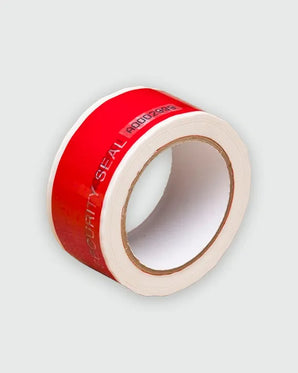
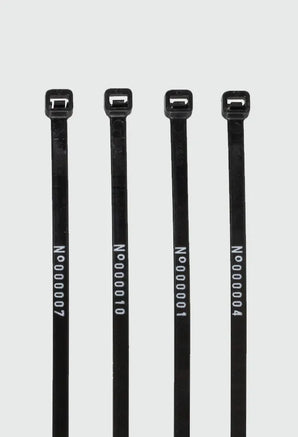
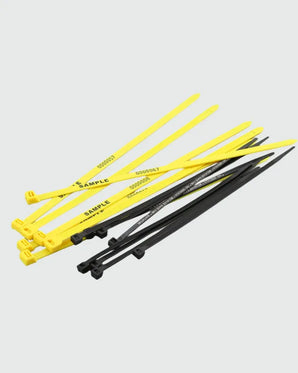
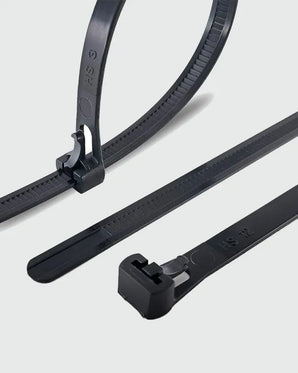
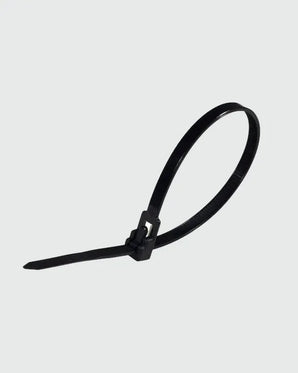
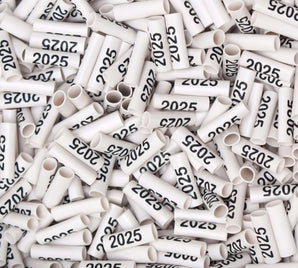
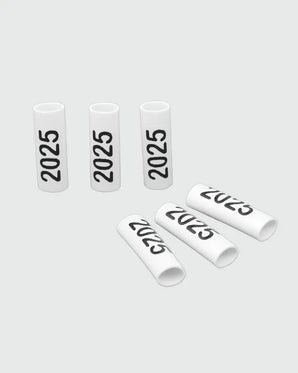
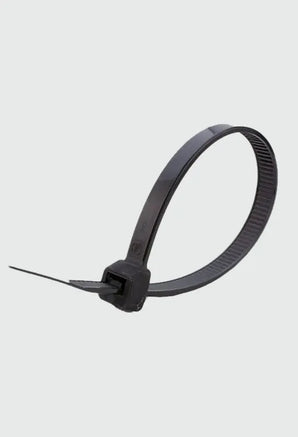

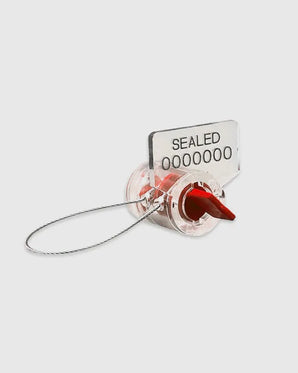
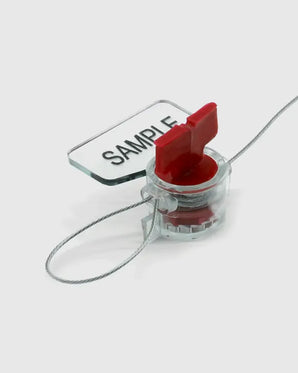
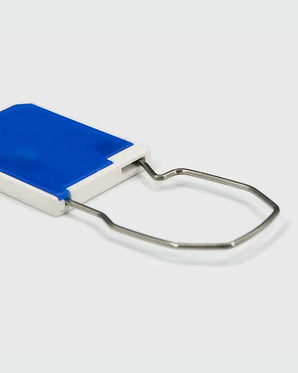


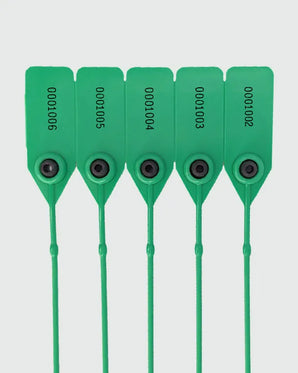
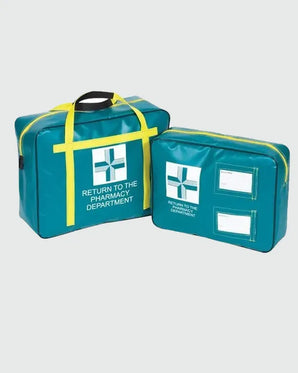
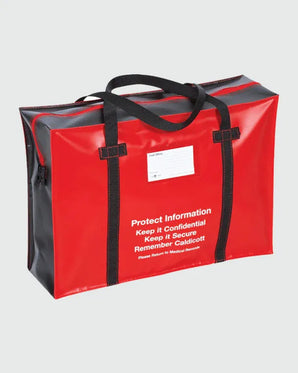
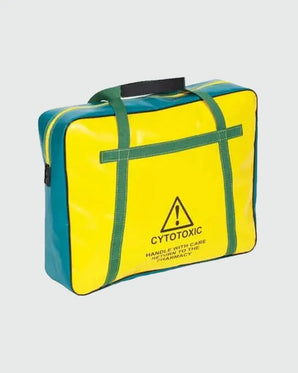

My experience managing site waste logistics proves that the integrity of a clinical waste stream relies on the physical closure of the bag. Clinical teams often use basic plastic ties or simple knots that provide zero proof of tampering. These methods fail when auditors arrive. A waste contractor refuses collection if they cannot verify the contents or the status of a load. That situation forces an operational standstill. Using security seals makes your clinical waste sacks fully traceable. These devices support HTM 07-01 compliance and control your facility liability from the moment of generation in the treatment room to final destruction.
Are you ready to strengthen your clinical waste management protocols? Contact the JW Products team for a tailored quote on high-strength, tamper-evident solutions designed for your facility.
Why do regulatory frameworks demand tamper-evident closures?
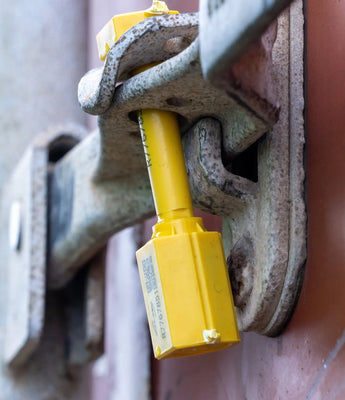
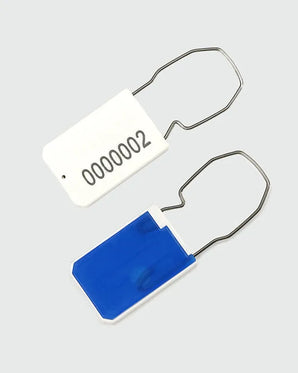
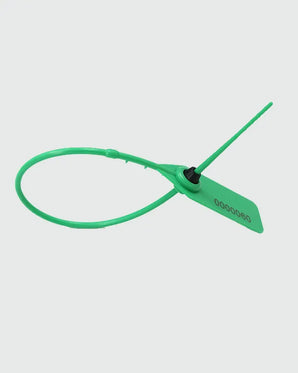
Standard zip-ties fail to provide evidence of interference. This creates liability for healthcare providers, laboratories, and care homes. These specialized security seals serve as a visual guarantee of container integrity. If a closure breaks or disappears before collection, it alerts portering staff to a potential breach. This operational control satisfies UK Duty of Care regulations. It keeps hazardous materials isolated and protects housekeeping staff and waste contractors from accidental exposure.
How do numbered logs eliminate waste discrepancies on consignment notes?
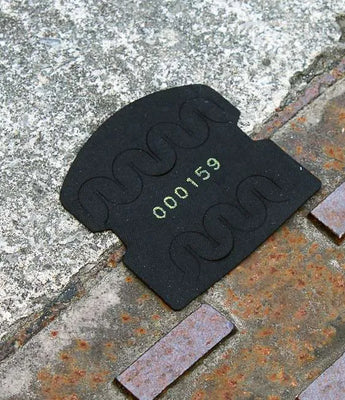
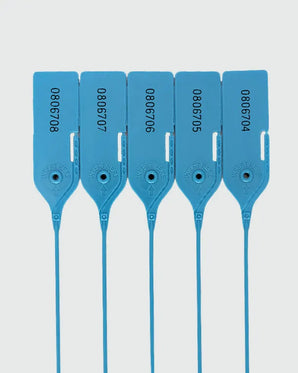
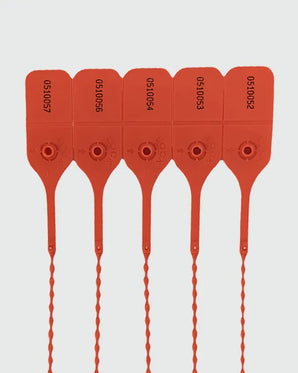
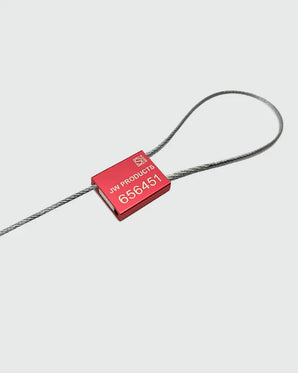
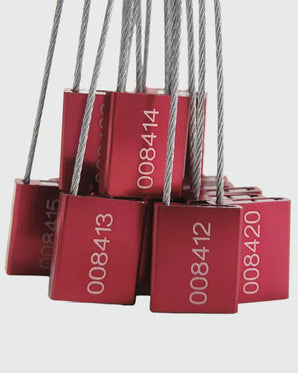
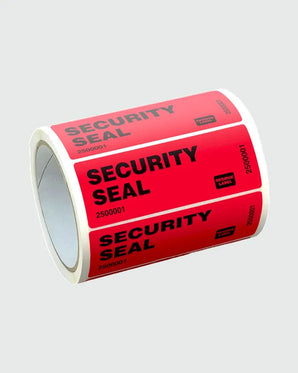
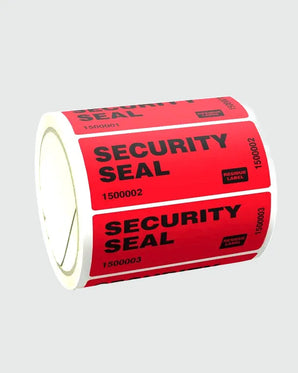
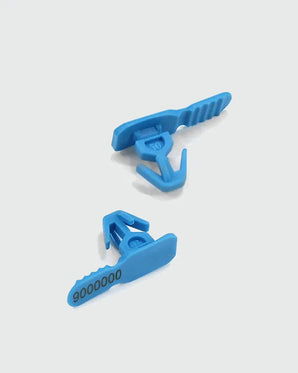
Numbered security seals transform manual waste logs into a verifiable audit trail. You record a unique, sequential identifier for every sack at the point of origin. Compliance leads cross-reference specific bags against disposal manifests and Hazardous Waste Consignment Notes. This numerical tracking system provides clear accountability during internal movement and contractor handover stages. A logged serial number allows you to pinpoint a missing bag in minutes. This process prevents administrative errors and avoids heavy compliance penalties.
What operational specs should you demand in clinical waste sack locking ties?
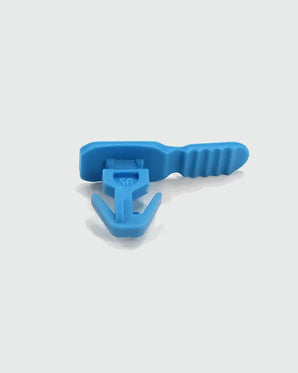
When procuring security seals, prioritize performance in a high-pressure clinical environment. Prioritize an ergonomic design that allows staff to apply and lock closures while wearing nitrile medical gloves. Reliability matters. Choose heavy-duty pull-tight mechanisms. These prevent the security seals from snapping under the weight of heavy clinical waste when bags hit the floor of 770-litre bins.
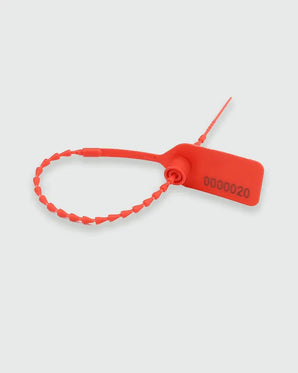
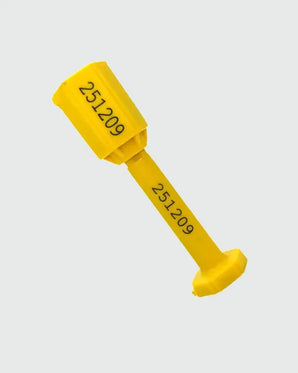
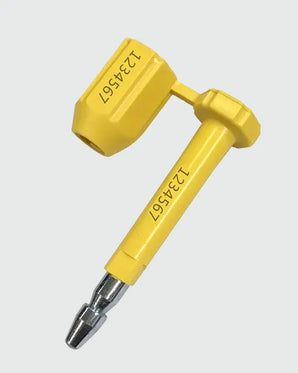
Identification remains a primary concern. Opt for products with large marking areas or permanent laser-etched numbering to simplify your logs. Using colour-coded options to identify specific waste streams helps staff spot segregation errors instantly. You reduce the risk of cross-contamination. Always verify that your equipment consists of materials like polypropylene or polyethylene. These materials remain compatible with high-temperature incineration and do not release toxic halogenated gases during disposal.
How can facilities maintain an audit-ready waste stream?
Maintaining compliance requires a consistent process of verification. Standardise your procedures by using high-quality security seals across all departments to create a uniform safety standard. Maintain strict log-keeping. Ensure that staff document the unique number on each device in the waste tracking log alongside the time and a signature. Implement a visual inspection routine at central waste storage points. Verify that all security seals remain intact before contractor collection.
How does a documented sealing process protect your facility during a pre-acceptance audit?
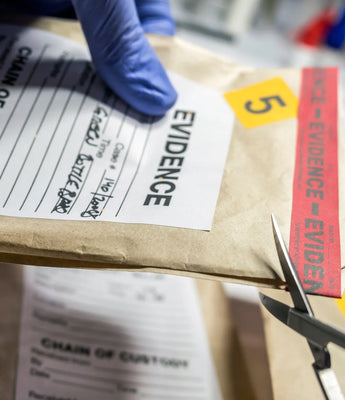
Pre-acceptance audits represent a standard requirement for healthcare waste management. Auditors focus on the defensible waste pathway. When an auditor reviews your site, they look for proof that your waste stream remains segregated and secure from the moment of generation. Numbered security seals provide an explicit link between your internal logs and the final waste transfer notes. This creates a transparent history. It proves the waste remained undisturbed since leaving your controlled environment. You reduce the risk of audit failures and associated penalties.
Why is closure colour-coding necessary for hazardous waste segregation?
Strict adherence to colour-coded waste streams marks the cornerstone of safe disposal. While the bag identifies the waste, corresponding security seals act as a secondary barrier. This practice prevents the mistake of mixing waste streams. Mixing waste causes contractor rejection and disposal facility non-compliance. A colour-matched system ensures that staff can verify that the bag is categorised, sealed, and heading to the correct disposal route during every stage of movement.
How can you train staff to standardise clinical waste sealing?
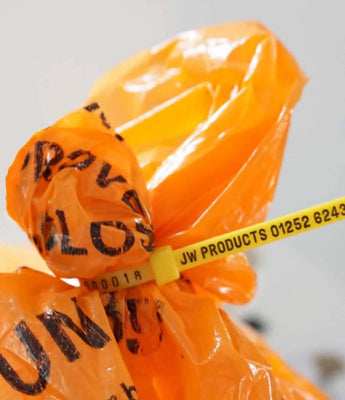
Compliance fails due to human error. Standardising the sealing process acts as the solution. Implement a repeatable Standard Operating Procedure. Mandate the swan-neck technique. Twist the neck of the bag, fold it over, and pull the locking tail tight around the fold. This creates an airtight seal. It prevents liquid leachate spills and ballooning. Positioning sealing as a component of infection prevention shifts the cultural perception of the process from a compliance burden to an element of staff safety.
How does sealing define the legal boundary of liability?
When waste moves from your facility to a waste contractor, an ambiguous liability gap often exists regarding when responsibility shifts. Establish a formal Point-of-Handover protocol. Use security seals during the handover process to verify and record numbers at the moment of collection. This creates a robust boundary. If a bag arrives tampered with or leaking, a verified number on your final documentation proves the integrity of your shipment upon departure. This proactive documentation acts as a shield for your organisation against liability for incidents during transit.
Audit-ready protocols protect your facility from unexpected regulatory investigations. If you currently rely on standard ties, you leave your site vulnerable to documentation gaps and contractor disputes. Our team works with facilities to audit their current waste handling processes and implement secure, numbered sealing systems that hold up under rigorous inspection. Don't wait for a failed pre-acceptance audit to re-evaluate your chain of custody.
Strengthen your chain of custody and simplify your audit routines. Speak with our experts to discuss the best specifications for your facility's specific waste handling needs.
What happens if a clinical waste bag needs to be opened for inspection after sealing?
Staff must document the opening of the original seal in the waste management log. You record the reason for access and replace the device with a new numbered unit. Note both the old and new serial numbers in your ledger to maintain a continuous, traceable record for the auditor.
Can pull-tight seals be used on flexible waste containers of different sizes?
Yes. These mechanisms adjust to any diameter. You simply pull the strap until the closure sits snugly against the neck of the bag. This provides a universal solution for various waste capacities, from small infectious waste bags to larger clinical storage sacks.
Do these seals leave residue or plastic debris during the incineration process?
No. High-quality products for medical waste management undergo manufacturing using materials like polypropylene. These materials burn cleanly in high-temperature incineration plants. They do not release harmful particulates or leave residue that could damage disposal equipment.
How do I integrate these seals with existing digital waste tracking software?
The numeric codes found on the devices function as unique keys for data entry. You input these identifiers into your tracking platform to link physical waste movement with digital manifests. This digitisation of manual logs simplifies reporting for CQC or environmental health inspections.
Should I store security seals in a specific way?
Store the units in a clean, dry area away from direct sunlight. Exposure to extreme conditions might weaken the locking mechanism over time. Keep the stock in a secure location where only authorised staff manage the supply, preventing unauthorised use or loss of the serial number sequences.