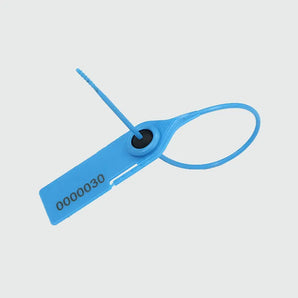
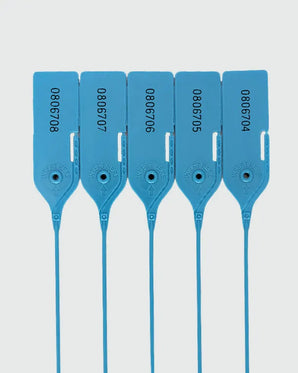
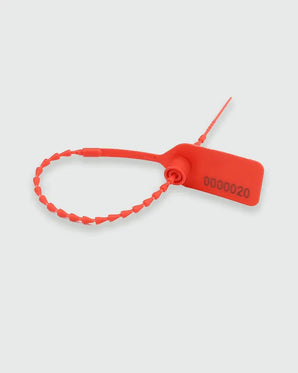
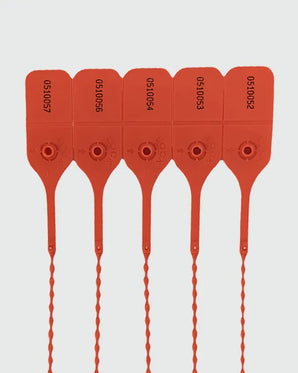
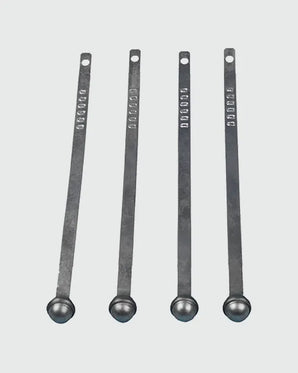
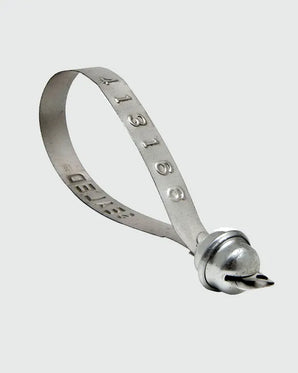
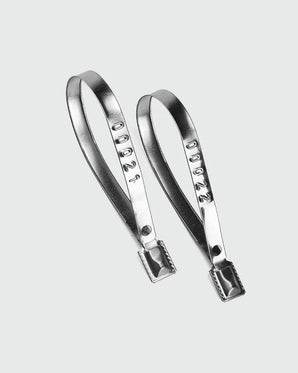
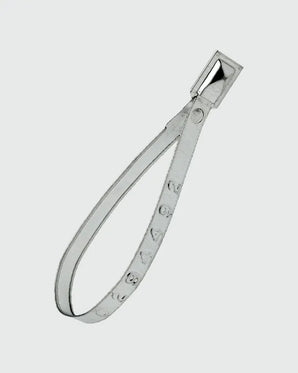
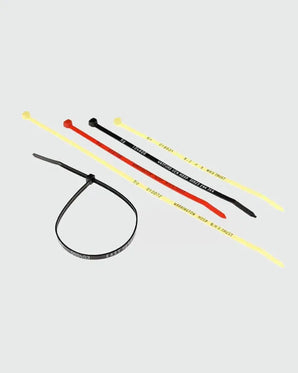
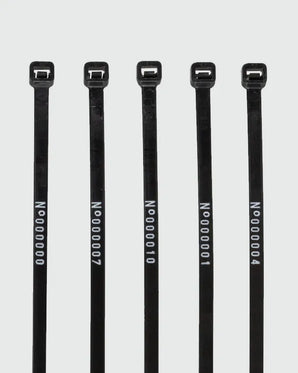
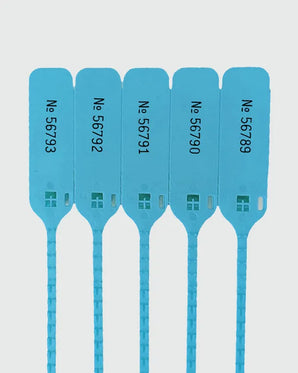
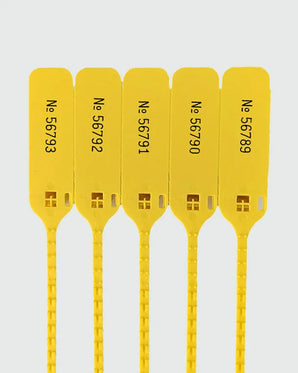
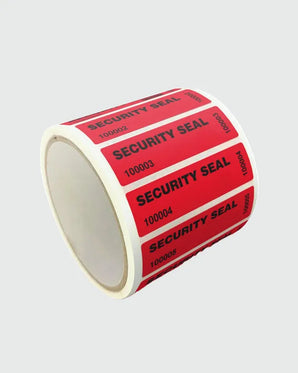
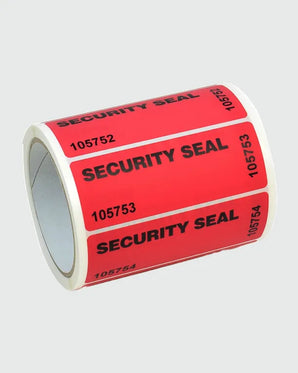
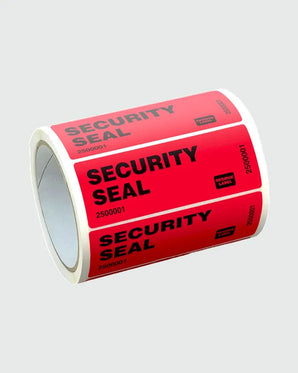
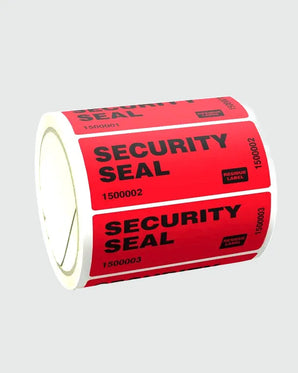
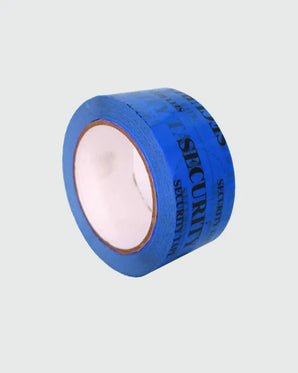
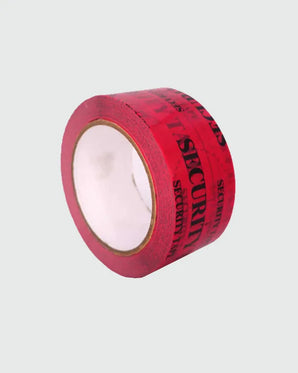
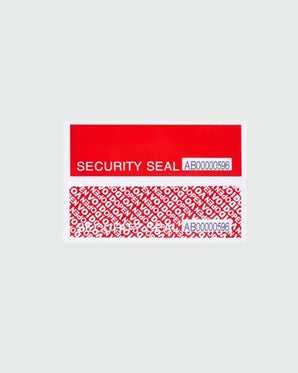
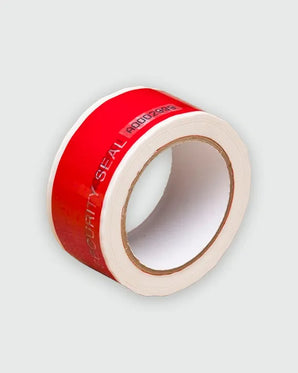
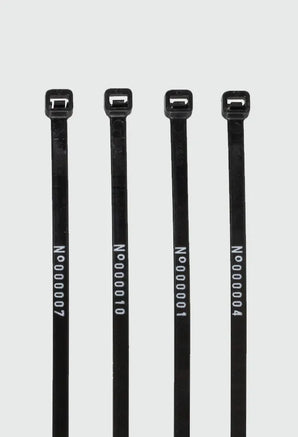
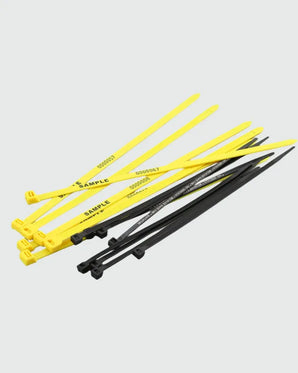





Tamper-evident stickers provide the primary visual record for facilities managers who must identify unauthorised access to sensitive hardware. Using these tamper-evident labels from JW Products creates an immediate "VOID" signal if a casing seam is disturbed, which forces a mandatory safety re-evaluation before the next use. This forensic certainty allows maintenance teams in Manchester and Liverpool to protect warranty integrity and stop "calibration creep" without relying on manual logbook cross-referencing.
These labels serve as a "first-look" diagnostic tool. They allow a technician to see if a casing has been opened before they even begin their electrical or mechanical testing.
How do tamper-evident stickers show equipment interference?
Maintenance teams use JW Products tamper-evident labels to reveal if a seam or a screw-hole has been disturbed. When someone attempts to peel the sticker, the adhesive layer separates to leave a permanent "VOID" message on the substrate. This physical change is chemically engineered to be irreversible; once the bond is broken, the hidden message "blooms" through the top film.
In facilities management, this evidence allows for "targeted troubleshooting." If a sticker remains intact, the engineer knows the internal calibration hasn't been touched by an amateur. If the "VOID" pattern appears, the business avoids the risk of running tampered hardware by pulling that specific unit for a full diagnostic check. This visual certainty protects the integrity of the maintenance schedule and prevents the high cost of investigating "ghost" faults caused by unauthorised tinkering.
Why use destructible stickers for service verification?
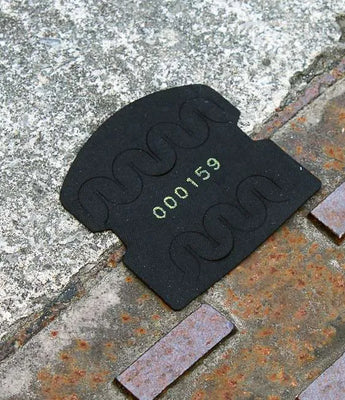
For assets with uneven surfaces, rounded edges, or small components, JW Products destructible vinyl labels provide a different type of evidence. These stickers do not peel away in one piece; instead, the face-stock is designed to be more fragile than the adhesive bond. If anyone tries to remove them, they fragment into tiny shards.
Maintenance teams in St Helens use these labels and tapes to mark calibration points on sensitive gauges where a traditional "VOID" film might not sit flush. If the sticker is chipped or shows "pick marks" around the edges, it indicates that the settings may have been altered. This clear signal helps businesses maintain their internal quality standards by identifying exactly which assets require a technician’s attention before they cause a production line stoppage.
How do stickers support inspection compliance?
JW Products inspection stickers provide a surface-level record that supports the visual phase of a safety audit. While digital documentation tracks the "when" and "who," the physical sticker confirms the "state" of the hardware at the point of the walk-around critical in areas with poor Wi-Fi or cellular signal.
- Facilities Management in Manchester: FM teams use colour-coded stickers to mark "Passed" or "Inspected" states on HVAC panels. A quick glance down a corridor tells a supervisor which panels are current, and which have been missed, eliminating the need to stop and check tablet-based logs at every door.
- Liverpool Maintenance Teams: In busy plant rooms, engineers use these labels to seal control boxes after a shift change. The presence of an intact seal supports the "Responsible Person" in their duty to monitor site safety equipment against unauthorised "quick fixes."
- Service Verification: Applying a dated, high-tack sticker directly to a serviced pump provides the next engineer with a field-ready timestamp. It removes the friction of cross-referencing serial numbers in a shielded plant room where mobile devices often fail to sync.
Implementing this physical record reduces the "Mean Time to Repair" (MTTR) by allowing teams to skip verification steps on known-secure units.
What are the benefits of void-pattern labels for warranty protection?
Original Equipment Manufacturers (OEMs) use JW Products VOID labels to identify when a customer has opened a device against the terms of a service agreement. If a technician sees the "VOID" pattern on a laptop casing or an industrial controller, they have physical proof of interference.
This evidence protects the business from the high costs of "unauthorised repair" claims. By identifying tampered units instantly, companies avoid spending their warranty budget on faults caused by third-party tinkering. It creates a defensible boundary between "manufacturer error" and "user interference," which is essential during high-value contract disputes.
How do you choose the right sticker for different surfaces?
The real-world effectiveness of a label depends on the "surface energy" of the equipment. We provide specialised labels engineered for specific materials found in UK industry:
- Powder-Coated Metal: We use high-bond adhesives that "bite" into textured paint. This prevents the label from lifting due to the micro-vibrations common in heavy machinery.
- Low-Energy Plastics: For modern equipment casings, we provide materials that resist "oil migration." This ensures the sticker won't slide off if the plastic is slightly oily or has residual mould-release agents from the factory.
- Residue-Free Options: For high-end medical or lab equipment, we offer "Non-Residue" VOID stickers. These show the "VOID" message on the label itself but leave the equipment surface clean. This prevents sticky residue from attracting dust or bacteria, which reduces the opex cost of cleaning assets between services.
The Inspection Checklist: Forensic Field Tactics
- Check for "Silvering": Look for pale, reflective patches at the corners. This often indicates a "slow-peel" attempt where someone tried to lift the label carefully without triggering the full void message.
- The Oblique Light Test: Shine a torch across the surface at a flat angle. Many tamper-evident materials show a subtle "ghosting" of the void pattern if they have been manipulated or heated to soften the adhesive.
- Residue Audit: If a sticker looks new but the serial number is out of sequence, check the substrate for "adhesive ghosting." An expert can spot where a previous label was cleaned off to hide an unauthorised entry.
- The Thumbnail Test: Try to catch the edge with a gloved finger. A correctly applied JW Products label should feel like part of the machine, not an afterthought.
By integrating JW Products tamper-evident stickers into your maintenance cycle, you install a reliable system of visual accountability.
For custom sequential numbering or to discuss site-wide inspection kits, contact the JW Products team for a technical consultation.