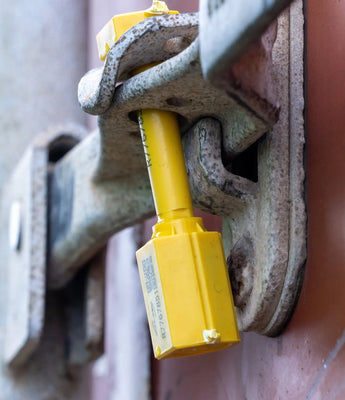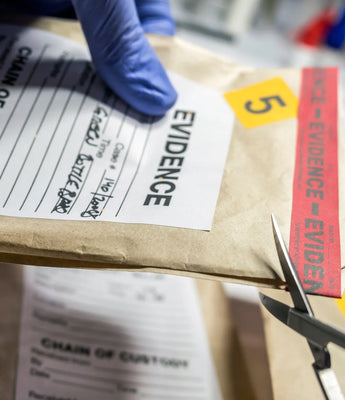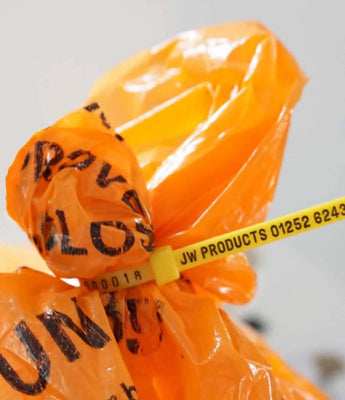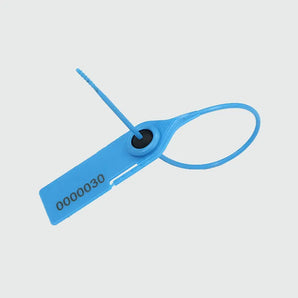
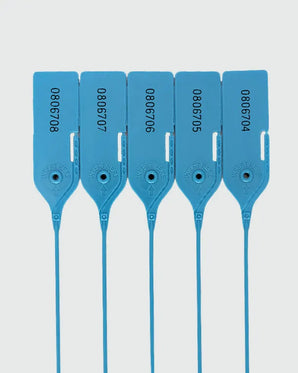
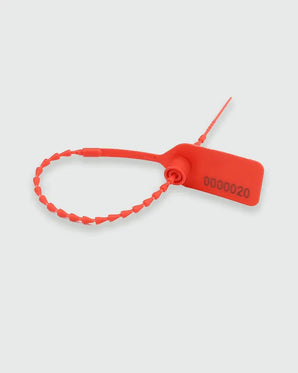
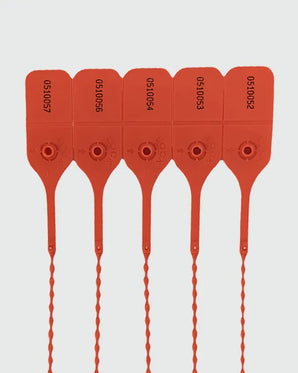


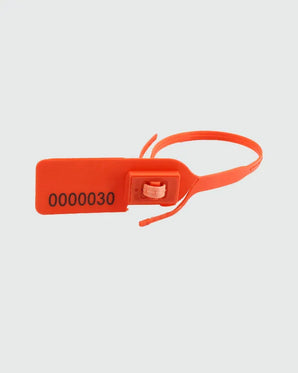
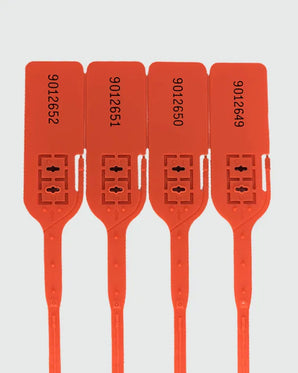
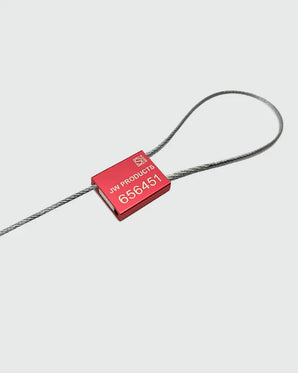
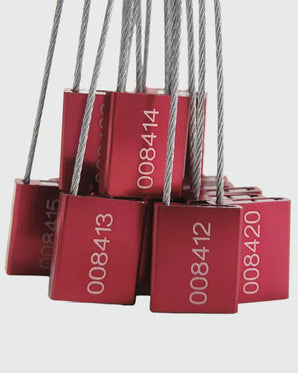
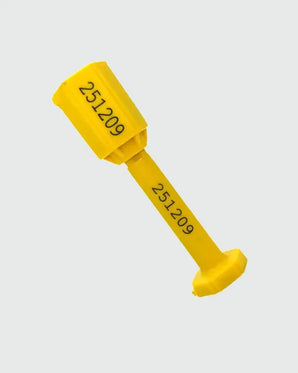
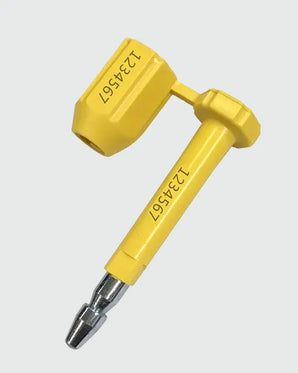
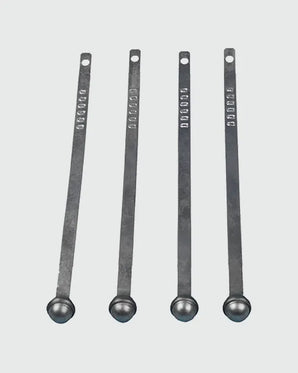
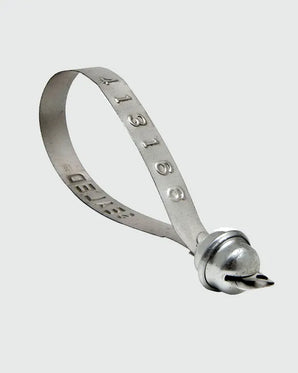


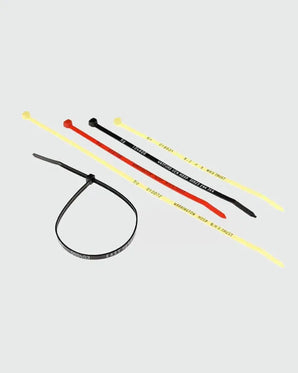
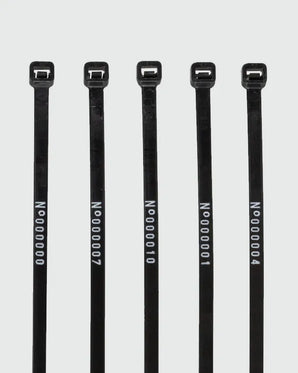
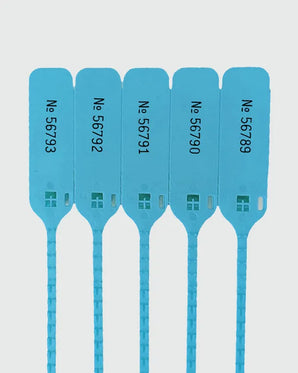
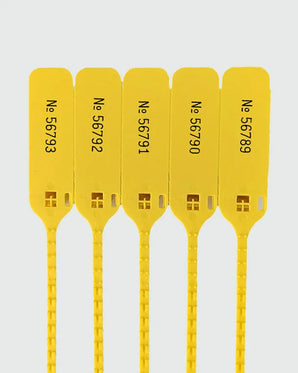
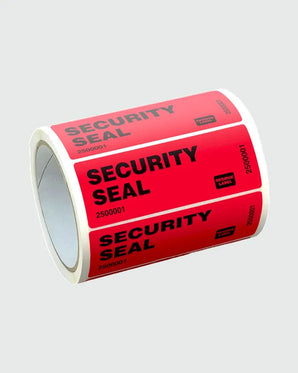
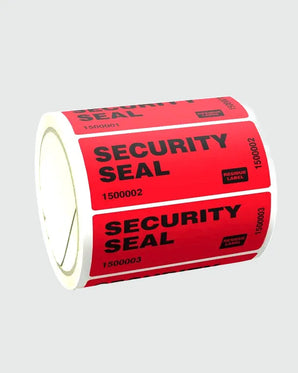
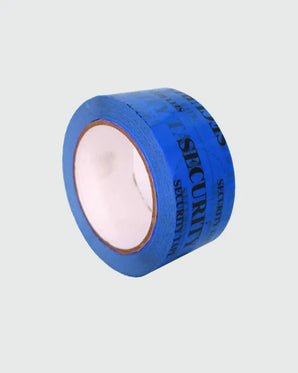
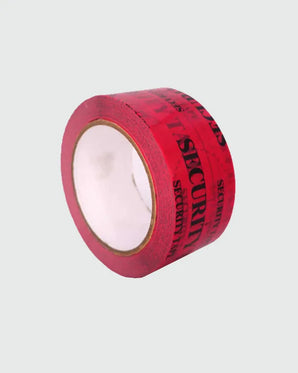




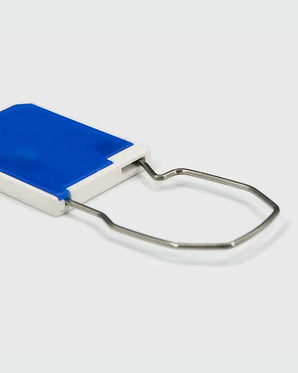
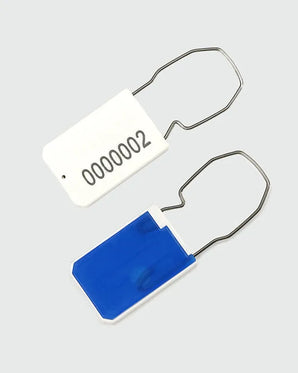


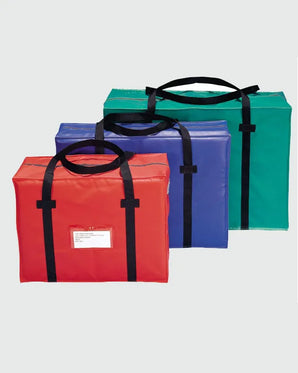
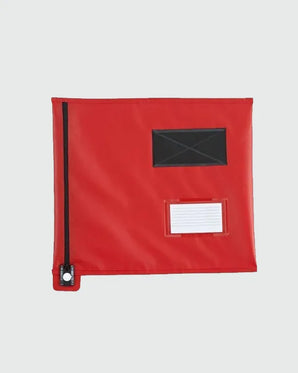
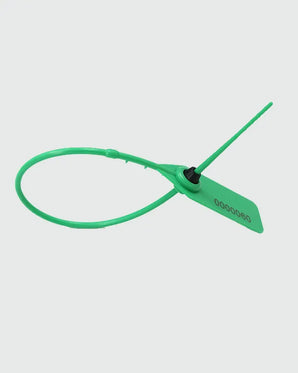
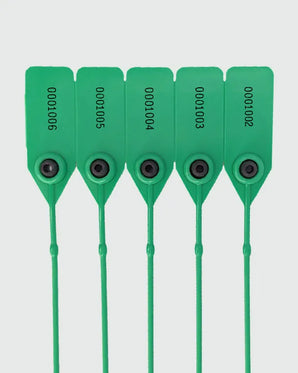
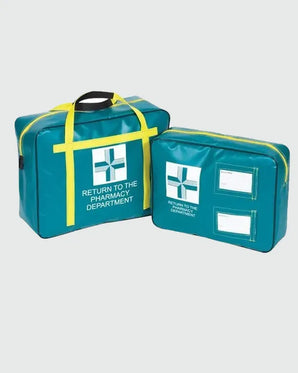
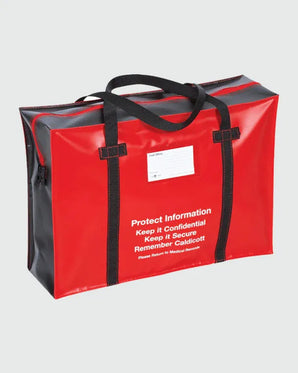


Returns fraud disrupts operations by creating ambiguity at the intake desk. High-volume facilities struggle when items return without clear evidence of if they were opened before restocking. Managers deploy security labels to establish an objective audit trail during the returns process. These indicators provide immediate, visible evidence of interference. They enable fast inspection cycles, protect warranty integrity, and replace subjective dispute resolution with data-driven decisions. Contact the JW Products team to discuss the technical specifications for your operational environment.
How do security labels for returns fraud reduce inventory loss?
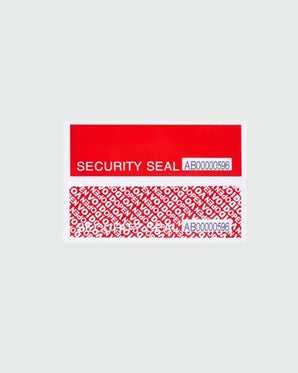
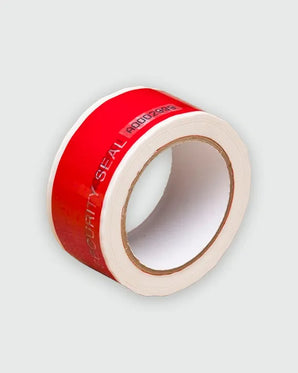
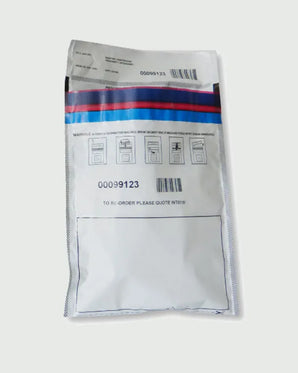
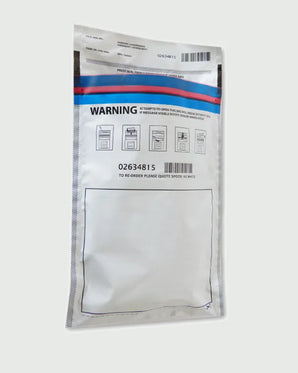
These tamper-evident indicators provide visible evidence that a seal has been disturbed. When applied to product packaging, electronic housings, or box closures, they serve as a definitive indicator of physical access. Many administrative policies rely on customer declarations. These security labels provide physical evidence during the intake process.
Warranty teams manage loss through this clarity. High-value items returning without a broken seal keep the inspection process streamlined. If the indicators show evidence of tampering, the team initiates a rigorous investigation. This approach focuses on audit and accountability, ensuring staff distinguish between genuine returns and those that were compromised.
Where should security labels be applied in a returns workflow?
Operational efficiency depends on the strategic application of these items throughout the supply chain.
● Dispatch phase: Applying security labels at the point of origin establishes a verifiable baseline for the state of an item before it enters transit.
● Intake and inspection: Visual evidence from the marker informs staff on if they should restock an item, trigger a secondary investigation, or reject the return.
● Warranty review: An intact seal provides a consistent marker that supports expedited warranty claim approvals by confirming that internal components remain untouched.
● High-frequency access points: Applying these markers to box seams, electronic housing screws, and internal modular parts identifies if someone opened or repaired an item, which helps prevent fraud and speeds up verification.
The Financial Case: Calculating the Cost of Disputed Returns
Effective returns management requires justifying operational investments to finance teams through performance metrics. The cost of returns fraud extends beyond the value of the product. It encompasses labour hours spent debating item conditions and shipping costs for rejected returns. Operations managers use verified returns to move away from items with an unknown state. This provides a framework for ROI analysis. Tracking the reduction in ambiguous intake cases allows teams to demonstrate how improved audit processes influence commercial decision-making.
If your current returns process suffers from high rates of ambiguous stock or excessive manual inspection times, you likely absorb costs that could be mitigated today. The JW Products team helps operations managers perform to identify the right label specifications for your unique packaging materials. Do not wait for your next surge in return volumes to find a weak point in your audit trail. Contact us now to schedule a brief consultation and see how your facility can tighten its intake workflow.
Mastering Application Integrity: Avoiding Performance Gaps
Reliable tamper evidence depends on matching the indicator to the application environment. Issues arise when teams apply labels without accounting for material compatibility, such as using the same adhesive for smooth plastic and porous, recycled cardboard. Success relies on factors like surface preparation, including the removal of oils, dust, or moisture. Teams must respect the dwell time required for the adhesive to anchor properly. Labels must cover the actual access point, as incorrect placement creates blind spots that compromise the audit trail.
Connecting Physical Seals to Digital Audit Logs
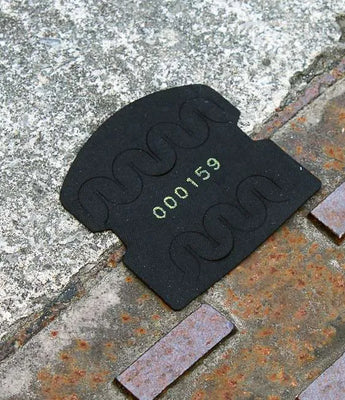
Modern returns workflows benefit from bridging the gap between physical goods and management software. Utilising security labels with sequential numbering allows teams to integrate audit data directly into Warehouse Management Systems or CRM logs. Scanning a unique identifier at the intake stage provides a digital record of the seal status. This moves verification from manual observation to a data-backed record. This process standardises intake across multiple sites, ensuring every facility maintains a uniform approach to audit and accountability.
Aligning Returns Security With Supply Chain Compliance
Modern logistics operations face increasing pressure to maintain robust chains of custody, especially when handling regulated goods or high-value electronics. Integrating tamper-evident technology into your returns workflow does more than reduce theft; it provides a verifiable audit trail that satisfies internal loss prevention audits and external compliance requirements. By assigning unique identifiers to every return, you create a documented history that demonstrates due diligence in how your facility manages inventory.
This level of traceability becomes a powerful asset during internal insurance reviews or when presenting data to management regarding shrinkage rates. Instead of reporting estimated loss, you present empirical data derived from confirmed tamper events. This shift from qualitative assumptions to quantitative data streamlines the reporting process and strengthens your facility’s position during periodic stock audits or safety reviews. Furthermore, standardising your application process across multiple facilities allows for consistent benchmarking, enabling you to identify specific regions or shipping routes where tampering occurs most often. This granular visibility empowers you to address the root causes of shrinkage, whether that involves adjusting packaging protocols or auditing third-party courier handling procedures.
What features are essential when selecting security labels for returned goods?
When choosing the right indicator for returned goods, the focus remains on the specific requirements of the item and the environment.
· Material compatibility: Ensure the label adhesive is compatible with the surface material to prevent removal without triggering the tamper-evident feature.
· Visible evidence: Select features such as a void message that appears when the label is lifted, providing proof of opening.
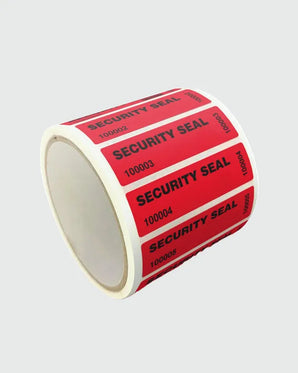
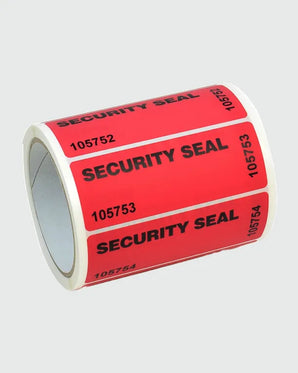
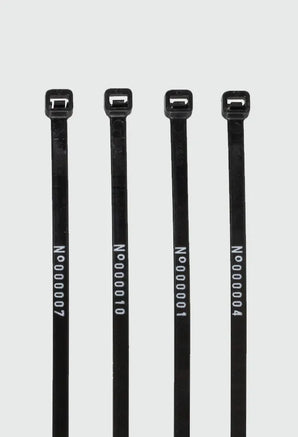
· Traceability: Consider sequential numbering or unique identifiers to track individual items through the return chain to simplify audit logs.
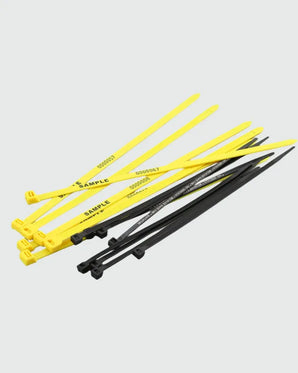
· Operational validation: You may need a technical expert to perform sample testing of labels on specific packaging materials to confirm they perform as required under real-world conditions.
Operational responsibility for verifying returns remains with your team. By integrating these visual indicators into your workflow, you improve the speed of inspection and provide a factual basis for handling disputed items. Contact JW Products for further guidance regarding your security labels.
Frequently Asked Questions
Do temperature fluctuations affect the performance of security labels?
Adhesive performance varies across storage environments. Cold-chain logistics or shipping through extreme temperature zones can cause standard adhesives to become brittle or lose tack. If your returns move through diverse climate conditions, request an adhesive specification rated for your temperature range to ensure the seal remains intact during transit.
How do security labels perform on recycled or sustainable packaging materials?
Recycled corrugated boards often feature a rough or fibrous surface texture that reduces adhesive contact. This substrate variability requires a high-tack, aggressive adhesive to penetrate the surface fibres. We recommend testing your specific packaging grade with our technical team to verify that the label triggers correctly upon removal from these porous materials.
Can security labels be customised to match my brand packaging?
Customisation options include integrated logos, specific colour-matching, and custom void messages. These features reinforce brand identity while maintaining a professional appearance on your outbound packaging. Tailored designs also prevent third parties from sourcing identical generic labels to replace your security markers.
What is the difference between residue and non-residue security labels?
Residue labels leave a permanent adhesive mark on the surface to highlight interference, which suits permanent closure applications. Non-residue labels show evidence of tampering through a reveal message on the label itself without leaving adhesive on the product. Choice depends on if you need to protect the aesthetics of the item or require a permanent mark of unauthorised access.
How do I prevent label peeling caused by shipping belt friction?
Automated sortation systems and high-speed conveyor belts generate friction that can lift the edges of standard labels. Selecting a label with a lower profile and high-shear adhesive prevents the flagging effect. Proper positioning—often recessed or shielded by packaging flaps—further protects the integrity of the seal during transit.