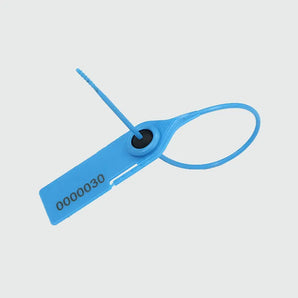
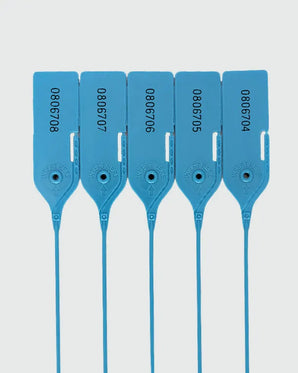
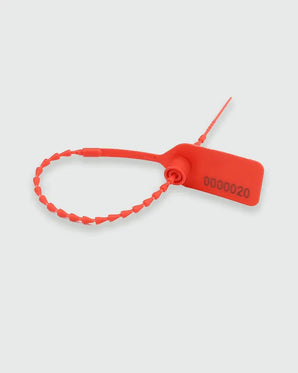
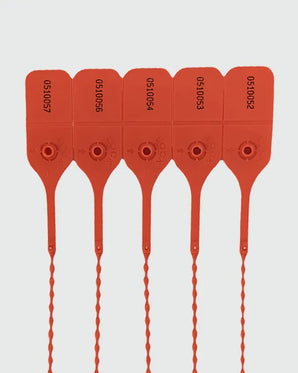

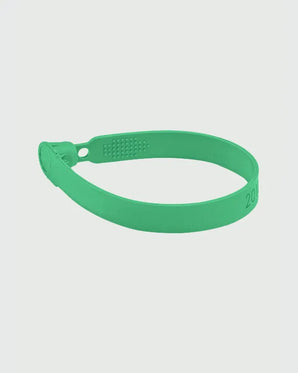
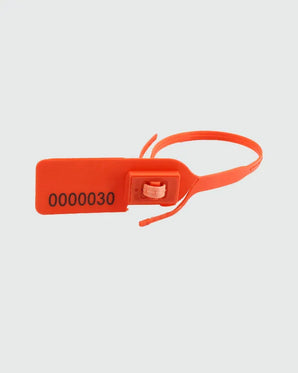
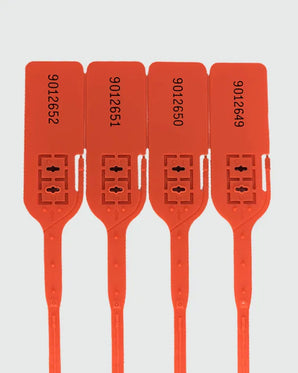
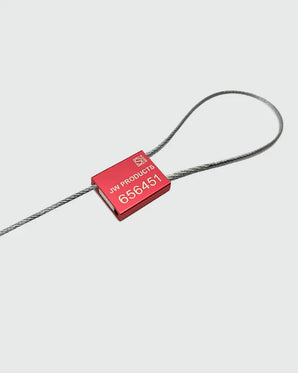
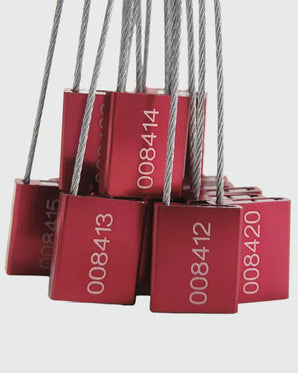
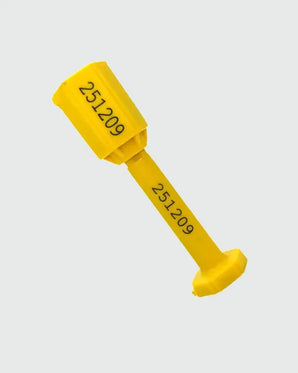
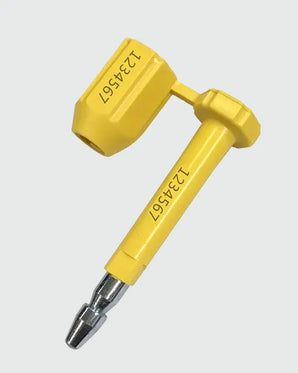
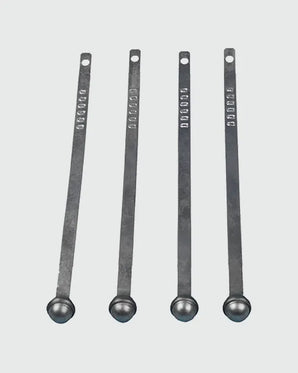
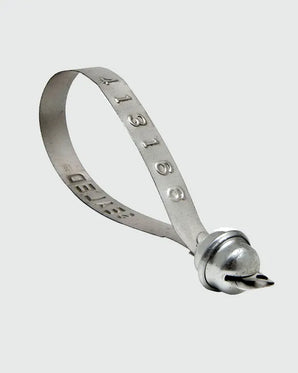
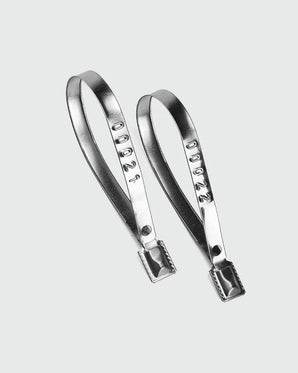
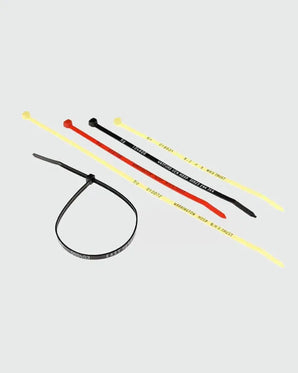
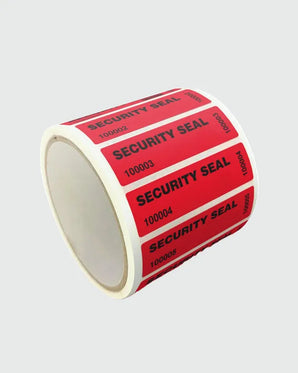
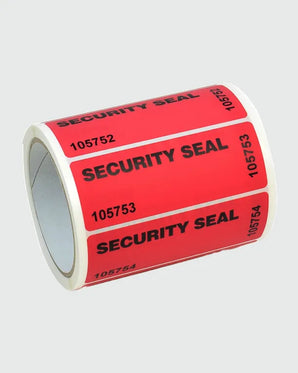
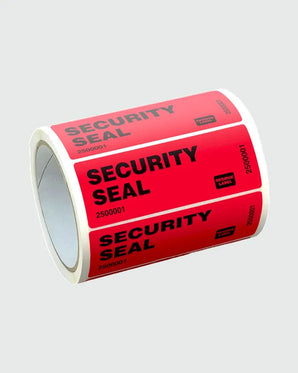
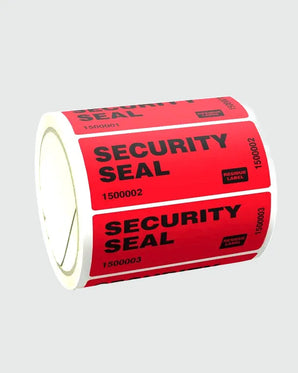
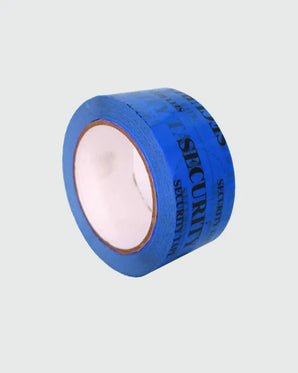
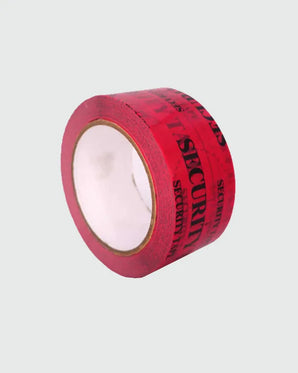
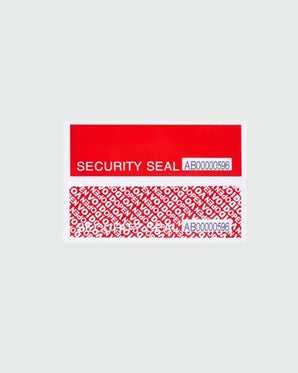
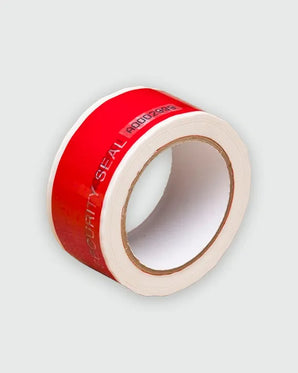
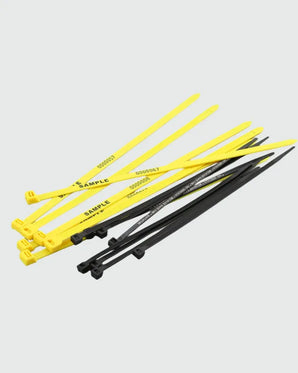
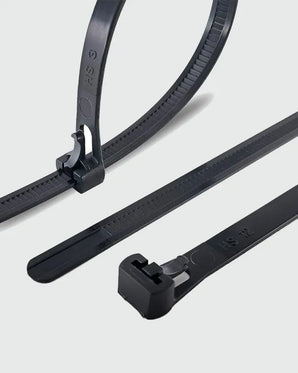


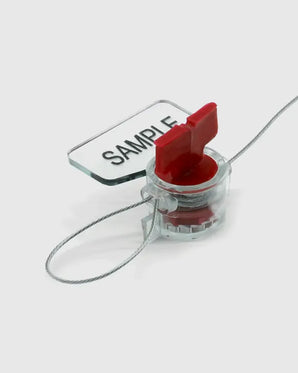
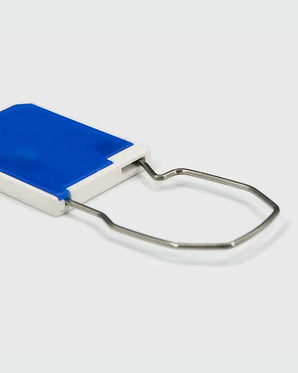
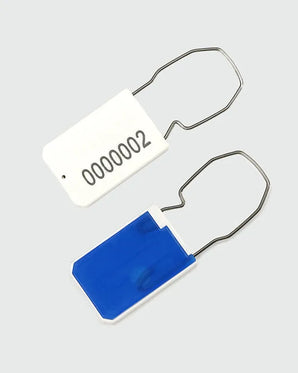


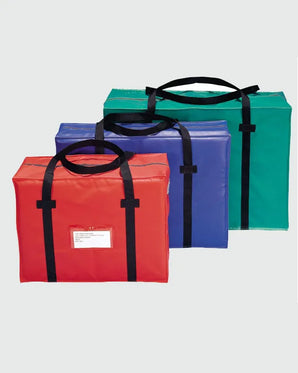
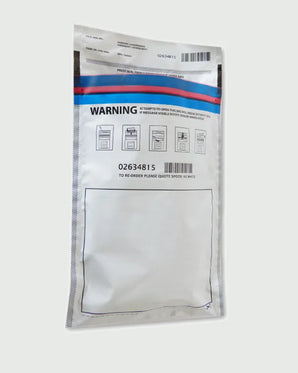
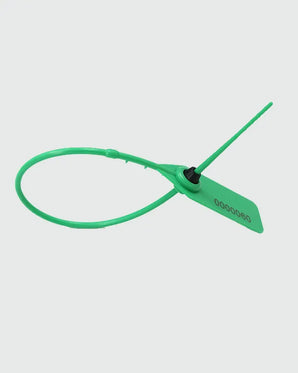
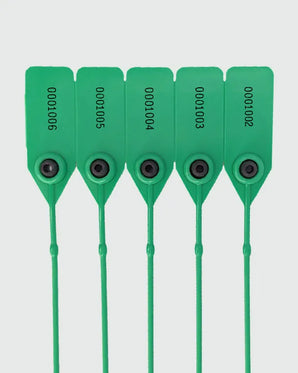
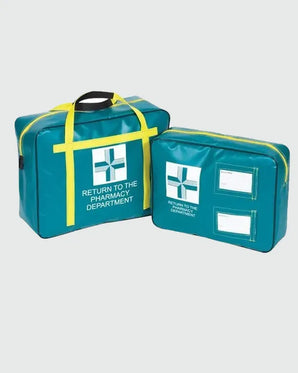
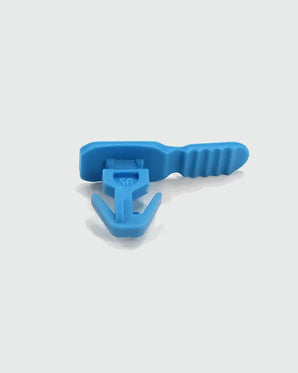
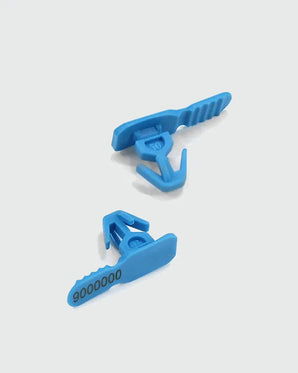

During high-pressure event turnarounds, identifying if a flight case, AV kit, or stock container has been accessed between venues presents a logistical challenge. You resolve this by using tamper tape to provide an immediate visual indicator of interference. Applying this tape across strategic access points allows your operations team to identify which units require a manual audit. This ensures a reliable chain-of-custody without stalling your dispatch workflows.
Applying tamper tape to flight cases and AV hire gear
In operational environments, your application method determines the reliability of the result. Use tamper tape as a primary checkpoint to transform your inventory process.
Bridge the seam where the lid meets the body of flight cases with tamper tape. Cover the latch mechanism directly to prevent undetected access.
Secure access panels on cable trunks and power distribution units. This stops unauthorised component adjustment during transport.
Apply tamper tape to accessory bags. These items frequently go missing during sub-hire reconciliation, making them a prime candidate for security seals.
If you are unsure which adhesive grade matches your specific fleet, book a technical consultation with our team. We identify the right specification to prevent premature bond failure during your next tour or event cycle.
The hidden cost of poor seal selection
Warehouse leads often view tamper tape as a minor consumable, but choosing the wrong grade carries a high price tag. When a cheap, generic seal lifts in the back of a truck, your team assumes the kit was accessed, triggering a mandatory, full-inventory audit. This phantom loss accounts for hours of wasted labour during the busiest parts of the week. Investing in a professional-grade seal removes this uncertainty. You stop wasting time investigating non-existent theft and focus exclusively on genuine inventory discrepancies.
Navigating the last mile of equipment transit
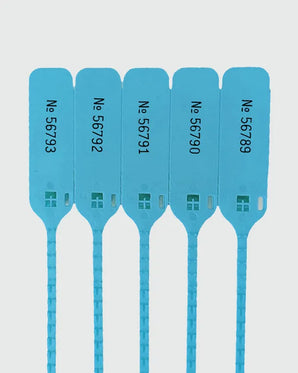
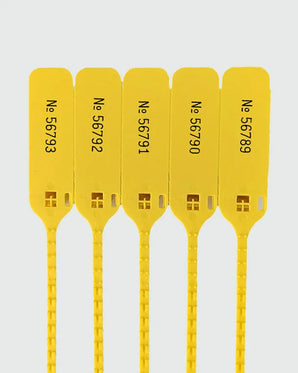
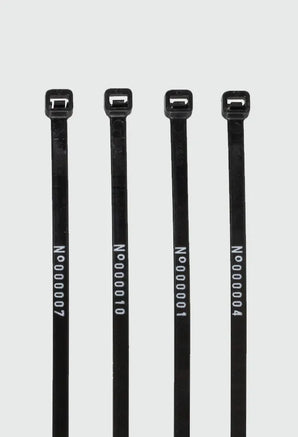
The vulnerability of your rental fleet spikes during third-party logistics and complex sub-hire chains. A seal functions as a silent witness during the handovers between your warehouse, the transit driver, and the venue tech. By treating the tamper tape seal number as a piece of dispatch data, you create a verified chain-of-custody. If the seal number at the load-in does not match your manifest, you know exactly where the breach occurred, rather than arguing over who lost the gear in a previous venue.
Mastering surface preparation for maximum Bond
Adhesive failure often stems from an application error. New flight cases retain factory-applied release agents on their surface, and older cases accumulate dust or oil from the workshop. Before applying your tamper tape, wipe the application area with an isopropyl alcohol cleaner to ensure a clean substrate. Pay attention to the temperature as well. If the case has been sitting in a cold truck, the adhesive fails to bond properly. Bring your cases into the warehouse, let them reach ambient temperature, and provide a 30-minute cure time for the bond to set. This simple protocol prevents the frustration of seals peeling off before the truck even clears the loading bay.
Integrating tamper-evident solutions into standard operating procedures
Accountability depends on your process. Standardise your workflow by logging tamper tape seal numbers on the dispatch manifest at the warehouse. When equipment arrives at a venue, the driver or technician verifies the number on our security seals against the paperwork before opening the case. This mandatory check-in protocol turns reports of interference into objective data points and reduces time spent on reconciliation.
Managing bulk asset turnover and scaling logistic
Scaling security processes across fifty or more flight cases per week requires moving beyond off-the-shelf procurement. When processing high volumes during a single load-out, the format of our tamper tape for rental equipment influences your throughput speed. Our team helps you evaluate if individual pre-cut labels or custom-width rolls offer the most efficiency for your specific kit. Integrating our sealing process as a frictionless part of your routine prevents administrative bottlenecks.
Preventing theft versus indicating interference
Tamper-evident solutions for AV equipment hire do not function as a physical security device. They do not restrict access. They do not stop theft. They function as an inspection and audit tool. Identifying a compromised access point provides the accountability necessary to trigger a mandatory manual audit.
Supporting chain of custody in equipment hire
Disputes over missing kit drain resources and operational efficiency. Tamper-evident seals for hired equipment simplify this by creating an objective, visual audit trail.
When a container arrives at a facility, a quick visual inspection of the seal confirms the status of the kit. If the seal remains intact, the contents arrive complete per the dispatch manifest. This allows for faster processing. If the seal breaks, the team knows immediately that a full inventory is required for that specific unit. This approach ensures warehouse staff avoid wasting hours inventorying sealed units. They focus entirely on the assets that require attention.
Mitigating risks during intense festival seasons
The peak season pushes your equipment to the absolute limit. You manage multiple cross-hires, rapid load-outs, and exhausted crew members on a daily basis. Every oversight in this environment compounds, and small errors turn into massive inventory headaches by the end of the tour. Implementing a strict sealing regime serves as your best defense against chaos. When you treat the integrity of every flight case as a fundamental requirement for every dispatch, your team develops a disciplined culture of accountability. This consistency pays off when your busy season concludes and you begin the final, exhaustive check of your entire rental inventory for the winter maintenance period.
For technical guidance on integrating security seals into your operations, get in touch with the JW Products team to discuss the right adhesive specifications for your specific kit.
Frequently Asked Questions
How does tamper-evident material perform on textured flight case surfaces?
Standard adhesives struggle with the high-density polyethylene or textured plastic common on road cases. We supply high-tack, aggressive adhesive formulations designed to anchor into the valleys of textured surfaces, ensuring the seal does not lift during vibrations or thermal cycling in transit.
What are the benefits of using sequential numbering for large rental inventories?
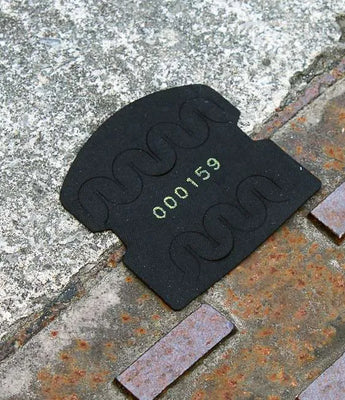
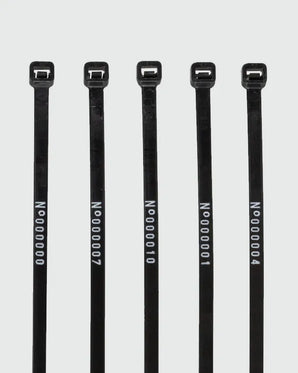
Sequential numbering enables rapid verification during dispatch and return workflows. By logging specific number ranges on your manifest, you eliminate the need to inspect every internal component, allowing staff to confirm security at a glance and track the specific movement of individual assets across sub-hire networks.
Can tamper-evident seals withstand cross-docking and multi-leg journeys?
Yes, providing you select the correct film thickness and adhesive grade. Multi-leg journeys expose seals to repeated handling and extreme friction. Our industrial-grade materials resist edge-lifting from manual handling and maintain their void message even after exposure to fluctuating humidity levels found in loading docks.
How do you prevent unauthorised access to power distribution units (PDUs)?
Apply high-bond security seals across the access screws or seams of your PDUs. This provides a clear visual deterrent against unauthorised component adjustment or internal tampering, ensuring your power gear remains compliant with safety standards from the warehouse to the stage.
Should I use total transfer or non-transfer tamper-evident tape?
Choose total transfer if you need a permanent audit trail on the equipment, as this leaves a visible "void" message on the surface. Choose non-transfer if you operate high-end aesthetic gear, as this prevents adhesive residue and surface damage while still providing clear evidence of interference upon removal.