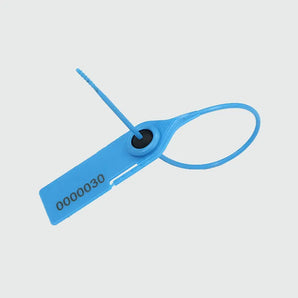
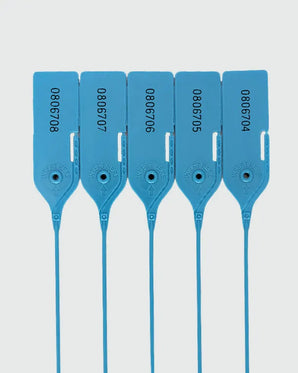
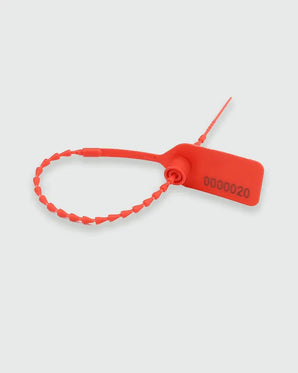
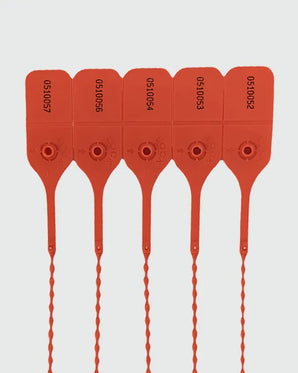

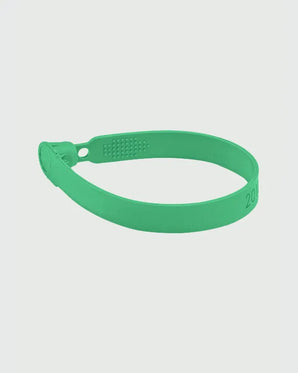
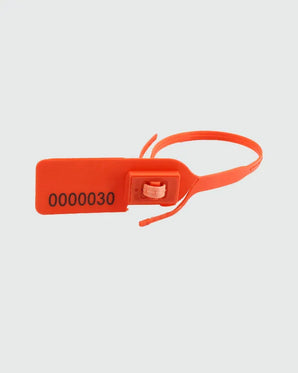
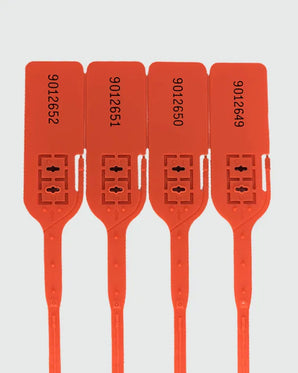
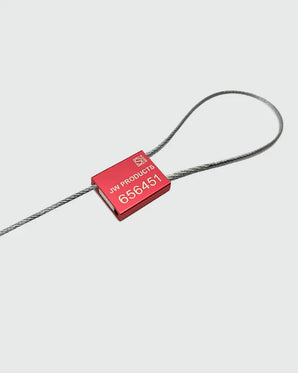
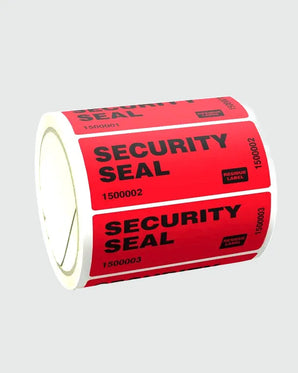
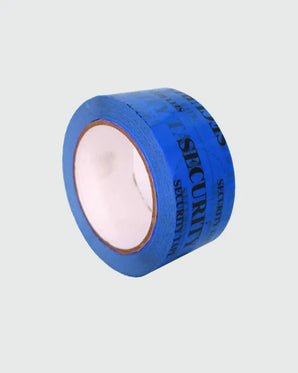
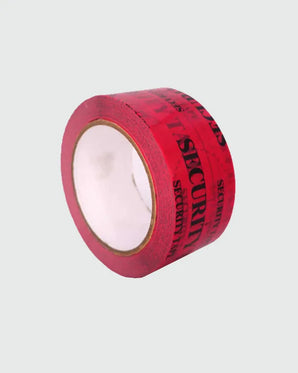
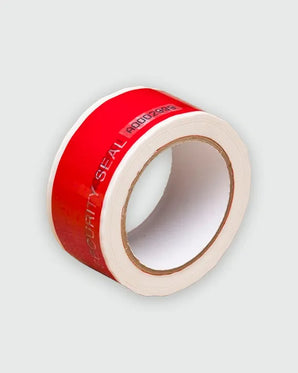
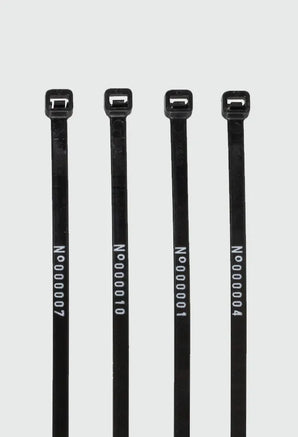
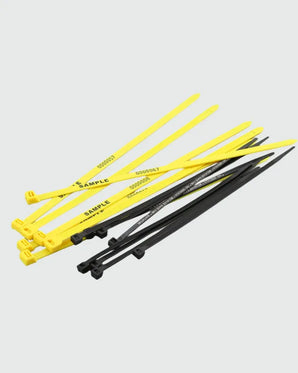
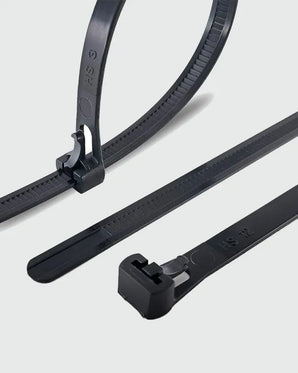

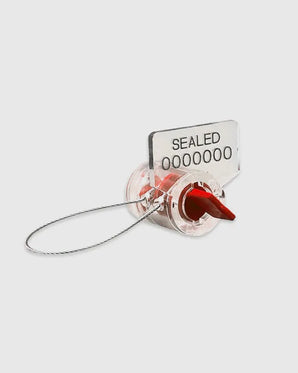
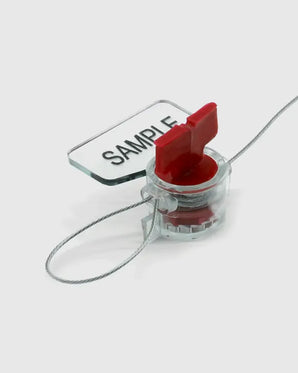
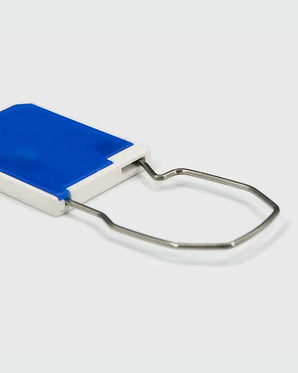
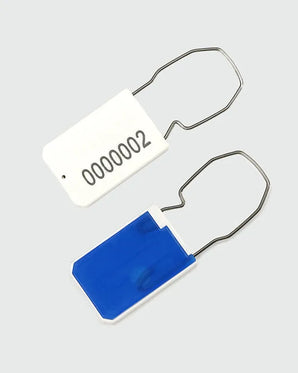


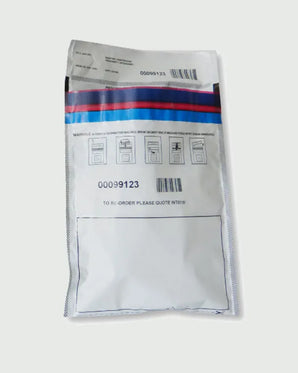
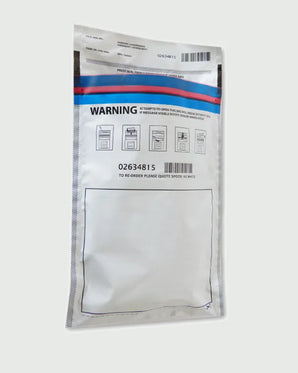
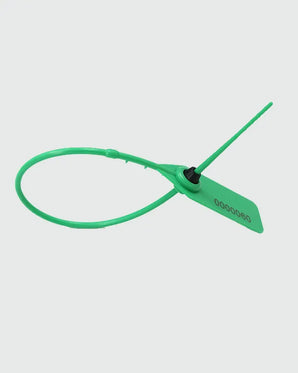
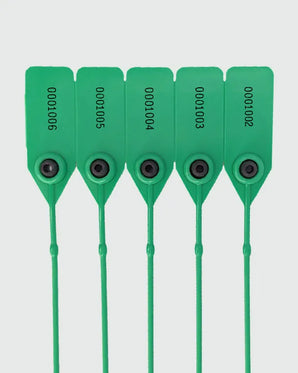

Unauthorised hardware relocation in shared commercial environments creates immediate gaps in the chain of custody, leading to significant delays and unbudgeted replacement costs. When operational staff cannot physically verify the integrity of a laptop or testing tool immediately, the resulting lack of accountability stalls workflows across IT and laboratory departments. Applying UK-manufactured tamper-evident security labels resolves this by providing a permanent, visible indicator of interference, ensuring that hardware remains with its assigned user or station.
JW Products manufactures these solutions to support your existing handling procedures. We focus on the physical durability and application of these labels to make sure you get the right specification for your specific site needs.
Why does asset swapping happen in shared workspaces?
Asset swapping is usually driven by operational friction. When formal repair or replacement processes are slow, personnel bypass protocols to maintain their own productivity, leading to undocumented hardware displacement.
Common scenarios for hardware displacement include:
- Productivity Pressure: Shift workers taking fully charged scanners or devices from other stations during peak hours.
- Component Cannibalisation: Staff switching faulty peripherals (keyboards, mice, or even internal RAM) with units found on empty desks.
These actions break the documented chain of custody. Applying security labels shows personnel that management tracks the physical location and condition of every piece of hardware, discouraging "quick-fix" swaps by making the interference immediately visible.
Why is it so difficult for IT managers to track moved equipment?
Digital databases show where a device should be, not where it is. Without a physical marker linking a device to its assigned station, unauthorised relocation often goes unnoticed during routine operations.
Digital systems fail to stop physical movement for two main reasons:
- Network Lag: Databases only show the last time a component was formally logged on the network, not its physical room number.
- Specification Matching: Software checks often fail to detect when internal components (such as drives) of the same specification are swapped between two identical machines.
This gap in accountability leads to departments spending their budget replacing items that are hidden elsewhere in the building.
How do security labels provide visible evidence of tampering?
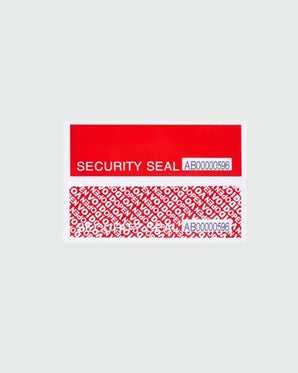
Security labels use specialised adhesives that undergo a permanent chemical or physical change when disturbed. If an attempt is made to peel or lift the label, it reveals a "VOID" message or fractures into irrecoverable pieces.
This visual proof helps supervisors identify when equipment has been interfered with. A quick check lets a manager see if a computer case has stayed sealed since the last inspection. If there are signs of disturbance, the IT department can start an investigation immediately.
Material Selection for Asset Tracking
|
Label Type |
Best Use Case |
Surface Compatibility |
|
Total Transfer |
High-security marking where a permanent "VOID" mark on the device is required. |
Smooth plastics, metals, and painted surfaces. |
|
Non-Residue |
High-value electronics where you need evidence of tampering without damaging the casing. |
Laptops, mobile devices, and calibrated instruments. |
|
Destructible Vinyl |
General asset tagging where the label must break into tiny pieces if removed. |
Asset ID tags and warranty seals. |
What is the difference between tamper-evident and tamper-proof labels?
The main difference is that tamper-evident labels indicate a breach, whereas "tamper-proof" implies a physical barrier that prevents access entirely. In industrial hardware management, labels are used as indicators to support audits, not as physical locks.
Our components indicate interference, but they do not physically stop a determined person. Calling a product tamper-proof gives a false sense of security that hurts your risk assessment. Real accountability relies on accurate technical terms; a label is a visual deterrent and an audit tool, not a physical wall.
How can material types support a better chain of custody?
Choosing the correct material ensures that labels remain bonded to specific surfaces through daily use and temperature fluctuations. When a label stays intact and legible, it maintains a reliable link between the physical asset and the digital audit trail.
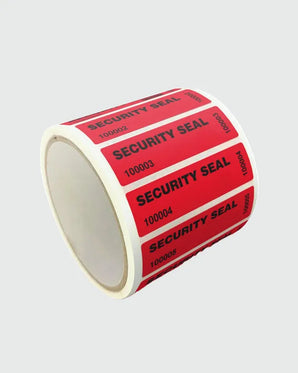
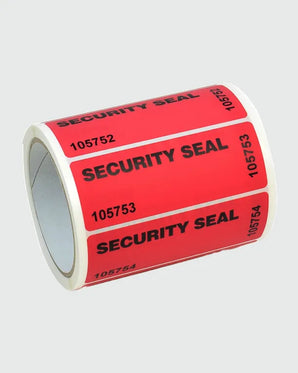
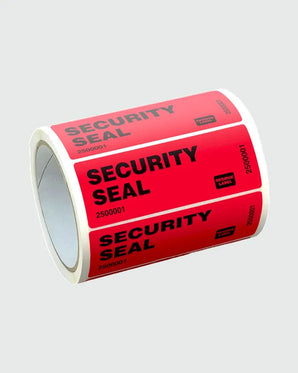
Adding custom data to the hardware case is the best way to log movements. We provide in-house thermal printing for sequential numbering and barcodes that match your current database. This allows an office manager to scan an asset and verify its assigned location instantly. Custom labels stop users from covering a swap with a generic, unnumbered sticker.
The Professional Protocol for Deterring Asset Swapping
To effectively stop unauthorised hardware changes, managers should follow a three-step physical audit protocol:
- Initial Baseline Audit: Document the serial numbers and physical condition of all assets.
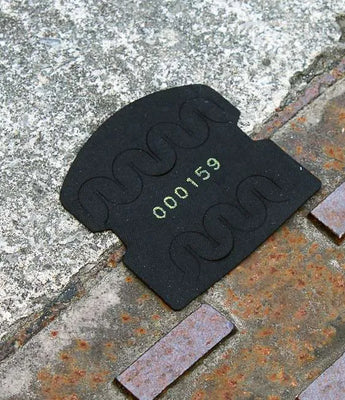
- Application of Serialised Indicators: Apply custom-printed, numbered labels across the primary opening seam of the device casing.
- Scheduled Visual Inspections: Perform weekly spot-checks. If the seal is broken or the "VOID" message is visible, the chain of custody is officially flagged as broken.
The labels serve as a reminder of the rules every time an employee picks up a device, shifting the culture from "borrowing" to "accountability."
Does communication improve asset tracking compliance?
Clear communication ensures staff understand that security labels are tools for operational accuracy rather than just anti-theft measures. When technicians understand that a broken seal could invalidate test results or disrupt maintenance schedules, they are more likely to respect the status of the asset.
Success depends on everyone knowing why the procedures exist. Lab supervisors should explain that tracking equipment is about keeping workflows moving efficiently. Transparent communication makes the tracking system feel like a tool for the department rather than a surveillance measure.
If you are unsure which adhesive specification is required for your site's hardware, contact JW Products to discuss your specific application needs or to request product technical data.
Frequently Asked Questions Regarding Asset Tracking
How long do security labels last on office equipment?
Security labels are designed for long-term durability, often lasting the entire lifecycle of the hardware, provided the surface was clean and dry during application. Lifespan is impacted by high-friction environments or aggressive cleaning agents.
Can security labels be removed without leaving a trace?
No. Professional security labels are engineered to stretch, fracture, or leave an adhesive residue (the "VOID" pattern) upon removal. It is nearly impossible to remove a correctly applied label without leaving a visible indicator for the next auditor.
What is the best way to track small electronic devices?
The most effective method for tracking small electronics is using a range of custom labels with non-residue adhesives and sequential numbering. This allows for high-visibility tracking on small surfaces without leaving marks that could interfere with ports or functional buttons.