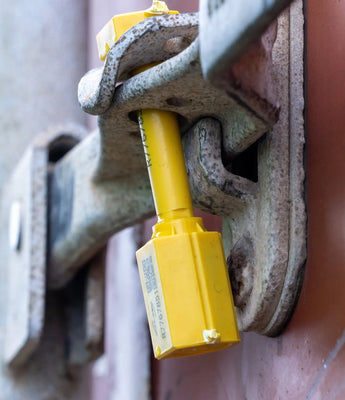
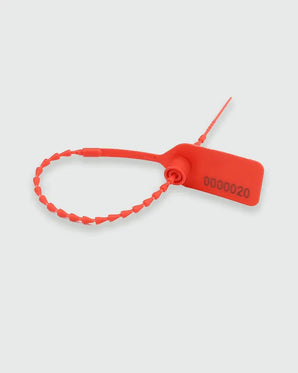
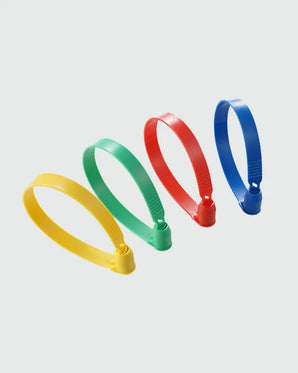
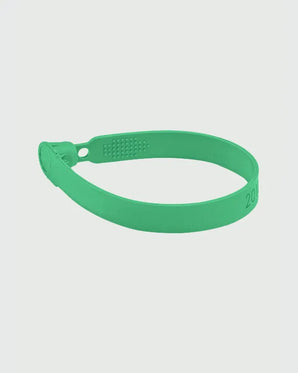
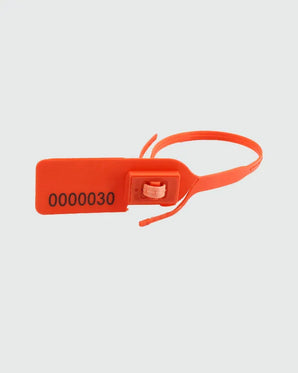
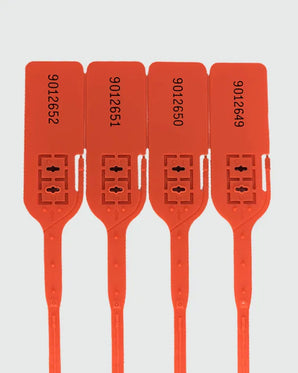
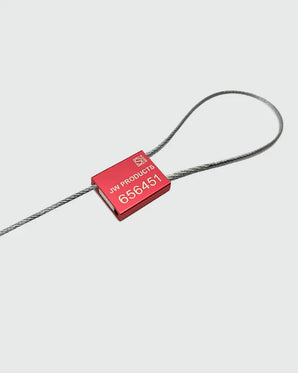
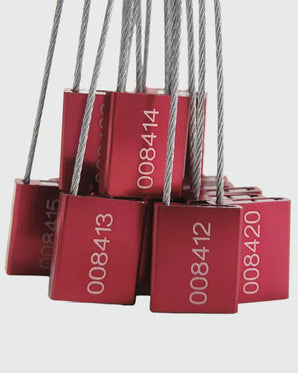
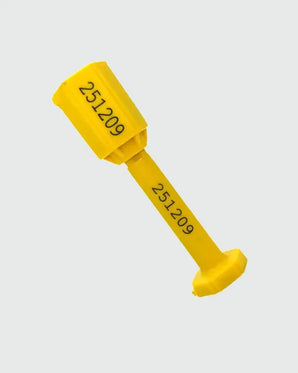
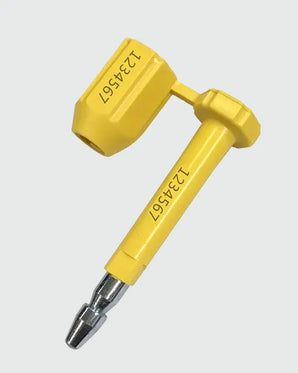
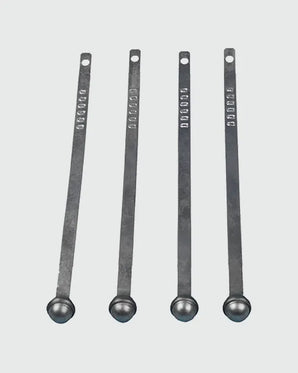
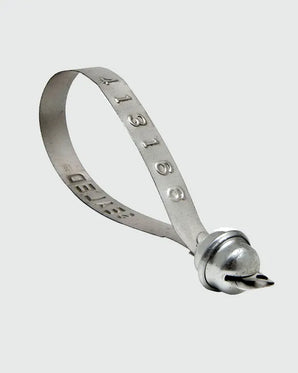
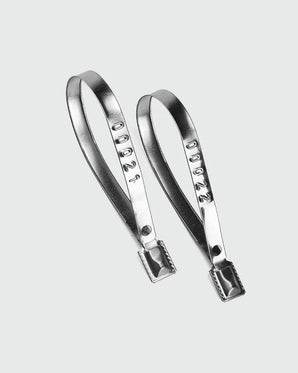
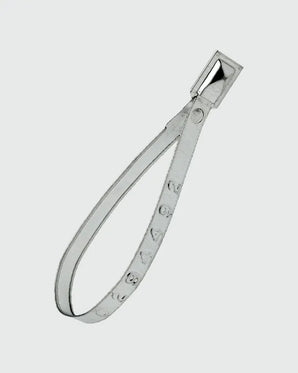
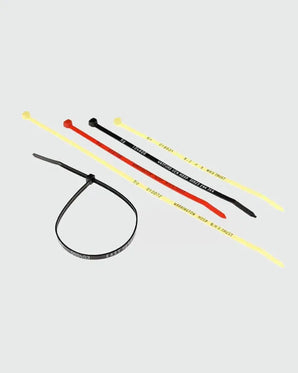






Moving goods across different locations requires a highly documented chain of custody. Trailer doors change hands between depot managers and line haul drivers daily, making clear visual evidence of container security an operational necessity. Operational teams rely on steel mechanical fasteners to flag any interference during transit. These devices provide immediate visual confirmation that a trailer door mechanism has remained intact since dispatch.
Why do logistics companies rely on cable seals for door tracking?
Logistics companies rely on tamper-evident cable seals to provide immediate visual confirmation of interference at closed container access points. These mechanical devices lock securely and require cutting tools for removal. This functional design allows operators to reliably log handling protocols and manage accountability across vast shipping networks.
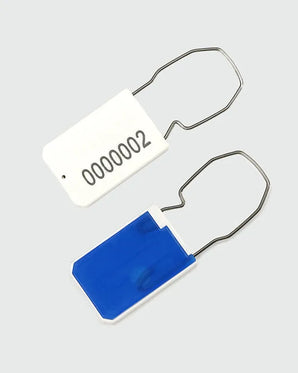
JW Products manufactures these specific solutions to meet strict industrial containment specifications. The primary function of a cable seal is to support established audit processes, acting as a visual marker rather than a physical barrier against determined intrusion. When a delivery arrives, the operative checks the fastener against the manifest to record the load status. Everyday transport operations involve constant movement between regional hubs, demanding robust solutions that withstand environmental wear. Making these tamper-evident markers standard practice helps depot managers maintain an observable handling record for all vehicle movements.
How do cable seals function during everyday handover checks?
Tamper-evident cable seals track goods by allowing rapid visual checks at scheduled handover points. Depot staff and drivers inspect the wire condition before accepting liability for the freight. Any physical damage to the hardware instantly signals unauthorised access and triggers a prompt investigation before offloading begins.
Transport operations rely on continuous motion to remain profitable, meaning lengthy inspection times at distribution gates disrupt schedules and cause delays. Using cable seals for transport security allows staff to confirm load containment rapidly. The unique numbering on the lock must match the shipping documentation exactly before a driver signs the consignment note. This simple application and clear verification criteria support fast operational turnarounds without impeding the flow of personnel.
What role do sequentially numbered cable seals play in supply chain audits?
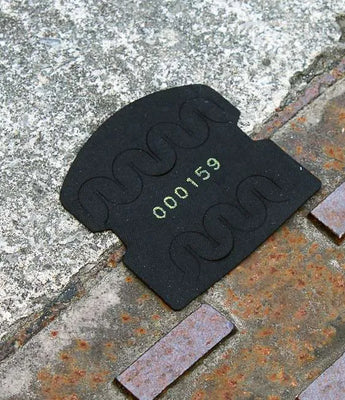
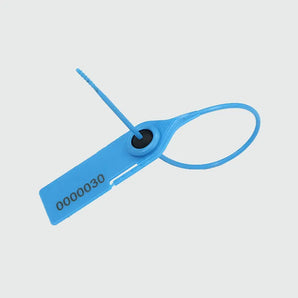
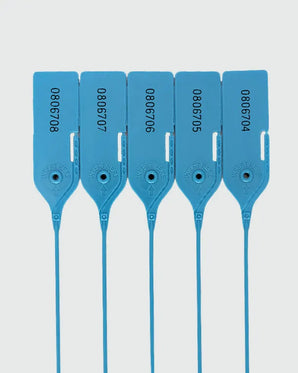
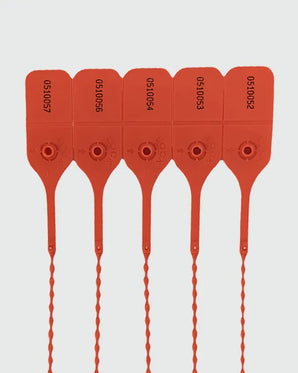
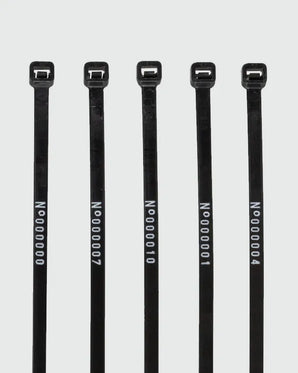
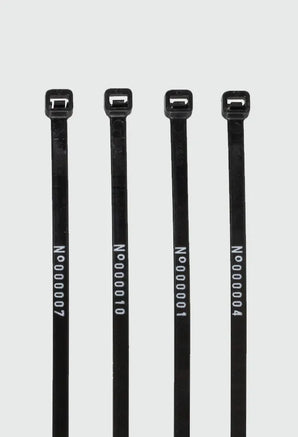
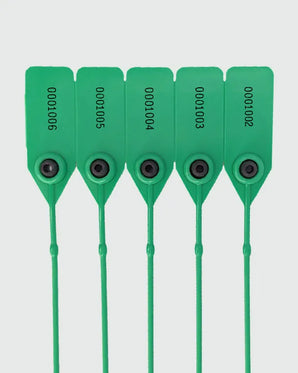
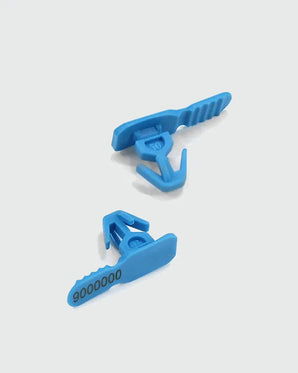
Sequentially numbered cable seals form the foundation of a logistical audit trail. This integrated numbering system ensures a broken component cannot be replaced with a generic replica unnoticed. The exact numerical identifier is logged at dispatch and verified upon arrival to confirm procedural compliance.
Traceability depends heavily on matching these exact specifications within the operational manifest. Using numbered indicators for freight trailers ensures any interference is permanently documented within the company systems. The sequential numbering removes ambiguity when logging container movements across transport corridors. Ground staff use this format as physical evidence of handling compliance, aligning with practical application needs rather than misleading promises of total theft prevention.
Why are mechanical cable seals ideal for fast-paced logistics depots?
Mechanical cable seals are ideal for fast-paced logistics depots because operators can apply them manually without specialised tools. Heavy-duty wires pull tight and lock firmly into place in seconds. This ease of use supports high-volume vehicle deployments across busy industrial sites constantly processing outbound freight.
Managing local routes involves processing dozens of loading bays simultaneously during early morning dispatch windows. Using robust trailer security fasteners allows depots to maintain tight outbound schedules while correctly documenting regional cargo. The physical strength of the steel wire keeps the locking mechanism engaged over rough terrain and variable transit conditions. This guarantees the visual evidence remains intact until intentional removal at the designated destination. Ultimately, logistics networks dictate the wire diameter and tensile strength required for their fleet, taking total responsibility for site compliance.
How do regional distribution networks apply tamper-evident hardware?
Regional distribution networks apply tamper-evident hardware to track cargo movement across localised supply chain corridors. Depot managers standardise specific lock types across all outbound fleet vehicles to streamline the arrival verification process. Ground teams then visually inspect the locking mechanism before authorising offloading procedures.
Transport companies servicing Northern industrial hubs demand consistent and reliable supply chain tools. By sourcing appropriate freight cable seals, distribution centres can process large volumes of arriving stock with procedural transparency. The metal housing sits firmly within the door latch to act as an immediate flag for any handling irregularities during transit. Fleet accountability requires these tangible physical tools to back up digital tracking systems, offering straightforward identification metrics for local transport teams.
What functional requirements dictate operational hardware for delivery trucks?
Operational scale and the physical environment dictate the specific cable seals used for logistics trailers. The required wire diameter and locking strength depend entirely on customer handling procedures. Thick steel cables withstand heavy industrial usage, while thinner variants suit lighter delivery vans.
Logistics providers operating cross-country routes specify stronger materials to cope with extended vibration and weather exposure. By sourcing the exact required specifications, transport companies ensure their drivers operate with the correct functional equipment for the task. The physical reality of the application always drives the product selection process. Depot teams generally evaluate their requirements based on the physical dimensions of the latch opening and the total distance the scheduled cargo will travel over rough industrial surfaces.
How can transport operators implement reliable documentation processes?
Transport operators implement reliable documentation processes by clearly defining how personnel inspect the hardware. The mechanical fastener must be integrated rigorously into the driver load manifest records. Understanding how cable seals secure trailer doors technically ensures that staff check the right locking points upon arrival.
Transparent communication regarding product limitations is critical for ground staff implementing these operational procedures. Depot supervisors must instruct their teams that the hardware purely indicates interference and requires careful visual matching against dispatch records. A practical implementation strategy focuses squarely on the physical reality of the logistics environment. Transport operators typically integrate these components by having staff manually test the physical engagement of the wire after sealing, followed by direct visual comparisons at the destination.
What are the most common questions about freight cable seals?
Operations managers frequently ask specific technical questions regarding tamper-evident cable seal functionality, application environments, and material parameters. Understanding these core mechanics ensures teams can establish proper chain of custody protocols and confidently deploy the right hardware across their standard supply routes.
How does a metal fastener show visual evidence of interference?
A metal fastener shows visual evidence of interference through the physical severing of the steel wire. The locking chamber permanently engages the core element upon insertion. Once locked securely, operators must cut the wire to gain entry, leaving an irreversible visible marker of access.
The requirement for verifiable proof underpins the entire product design. Providing a clear physical indicator prevents internal disputes during cargo handovers between regional locations. By guaranteeing a permanent mark of interference, supply chains consistently maintain high accountability over their varied inventory limit theft opportunities.
Why do operational indicators support rather than replace handling protocols?
Operational indicators support standard protocols by acting strictly as physical components within a wider data logging procedure. They do not physically prevent determined access attempts. The component guarantees a visual indication of meddling to initiate further administrative or investigative action by site staff.
Logistics networks depend on their internal documentation and auditing procedures to govern freight movement properly. A mechanical fastener provides the necessary physical data point required by these administrative systems to register a clean handover. Reliable manual checking tools fit alongside customer-specific compliance requirements without requiring digital infrastructure to operate effectively.
What makes cable seals ideal for managing large freight depots?
Cable seals are ideal for heavy transport operations because they possess the durability to withstand constant road vibration. They lock manually without additional site tooling and provide immediate visual reference points for workers. This straightforward design significantly reduces inspection delays on busy industrial sites.
High-volume freight operations cannot afford complex containment procedures during their peak operating windows. The tangible nature of a strong metal wire offers immediate feedback to ground staff processing multiple vehicles concurrently. Focusing on practical reliability keeps supply chain timelines running precisely as initially planned.
Why is supply chain reliability crucial for fleet containment?
Supply chain reliability is crucial because transport operations require a consistent flow of physical indicator tools. An unbroken supply of components maintains accurate compliance records across various dispatch locations. A steady manufacturer output guarantees that depots always have the necessary equipment to log container custody correctly.
JW Products is a dependable UK supplier focused on the practical reality of asset protection manufacturing. We supply the precise product to specification, providing logistics operators with the tools they require to execute their tracking smoothly. Transparency keeps operations moving securely across demanding industrial regions. Contact us directly to discuss your specific requirements.