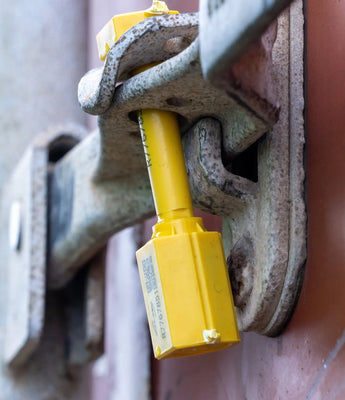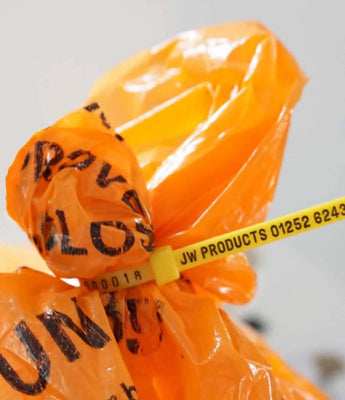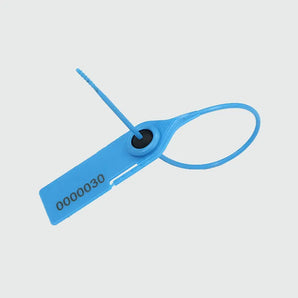
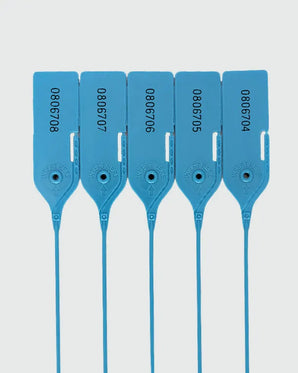
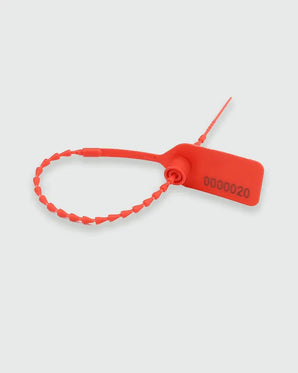
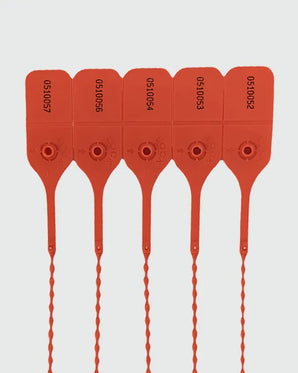
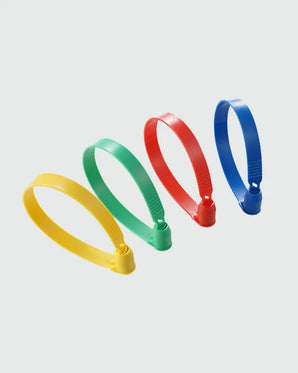
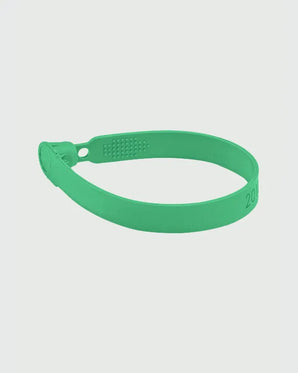
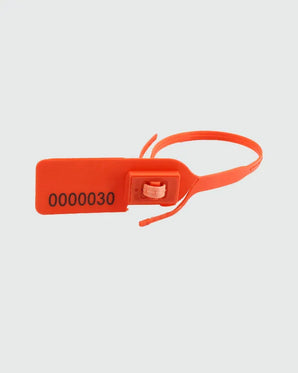
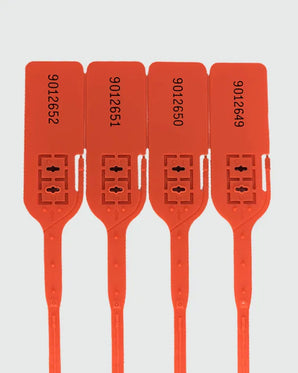
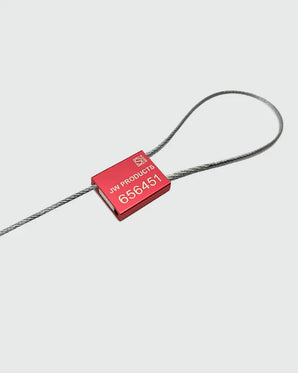
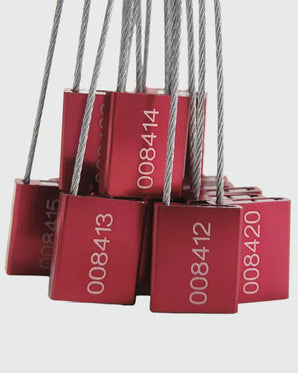
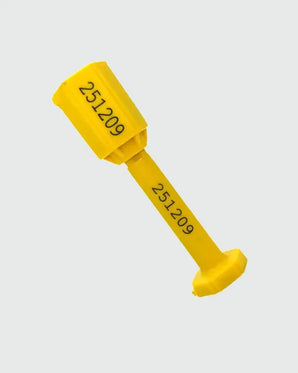
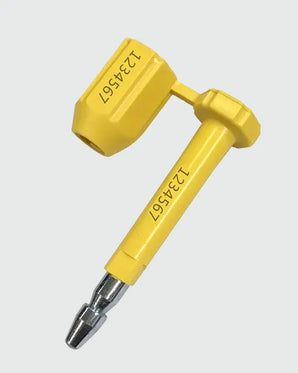
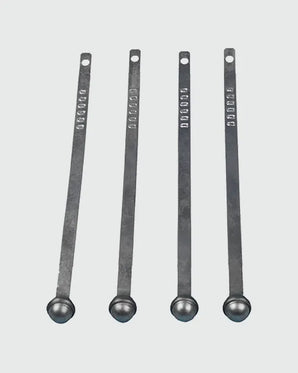
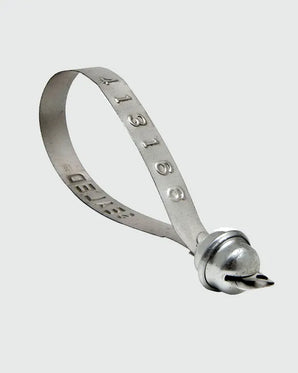
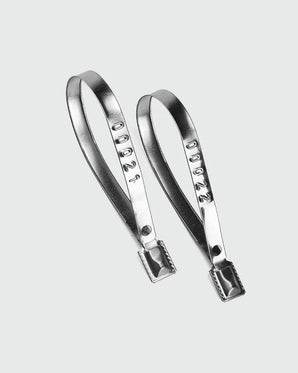
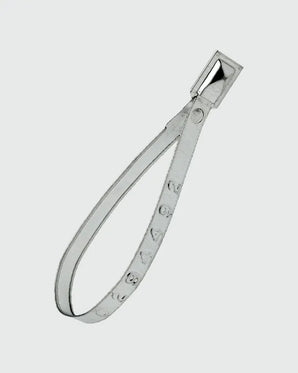
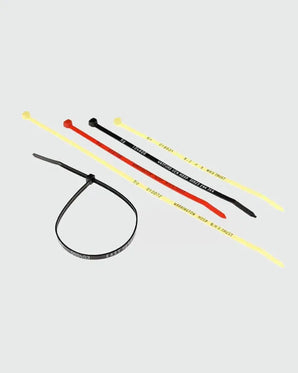
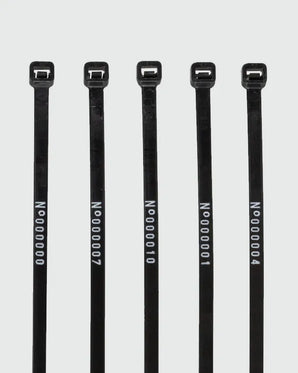
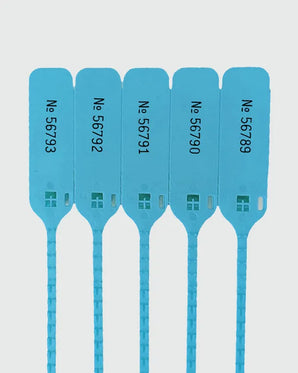
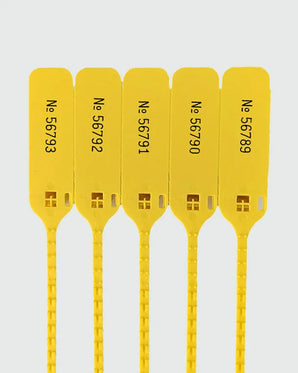
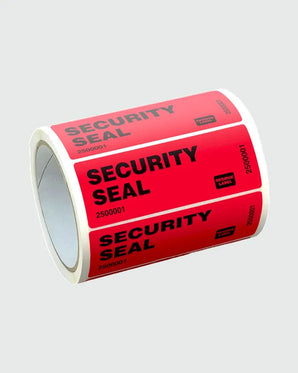
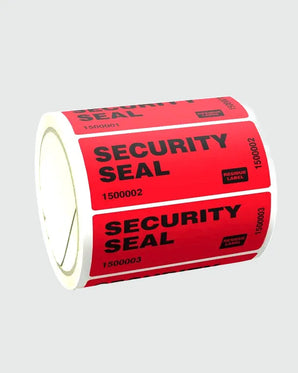
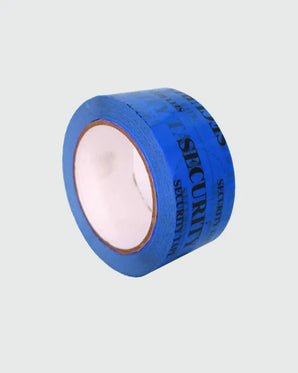
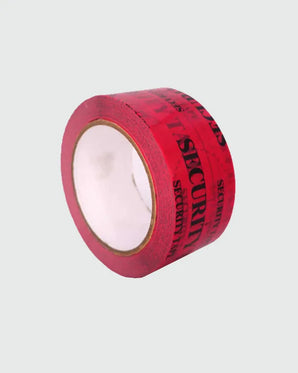
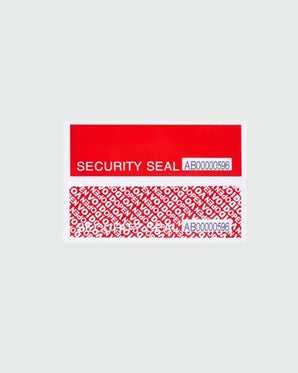

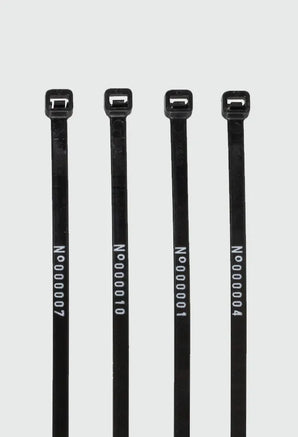
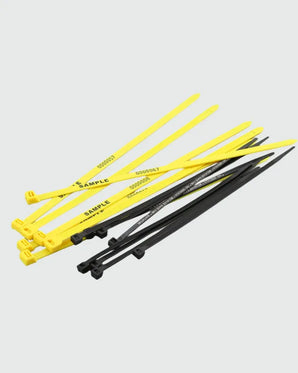
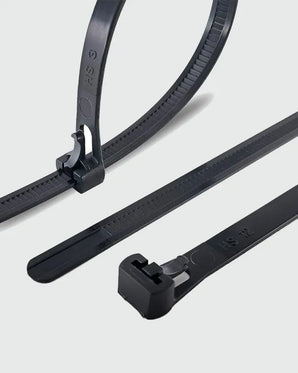
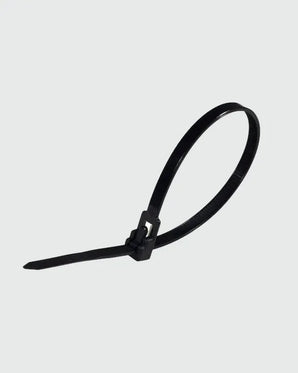
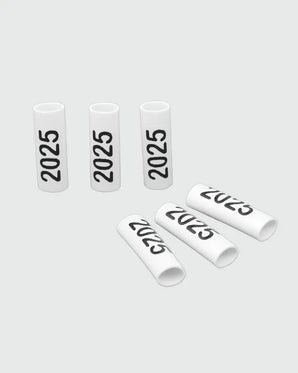
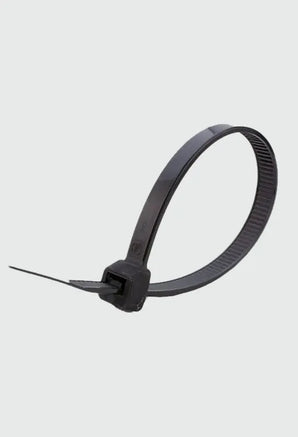

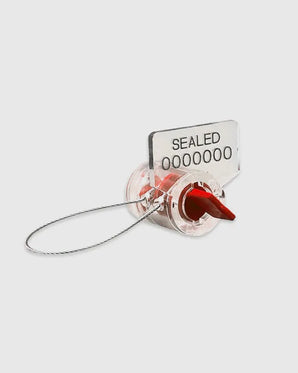
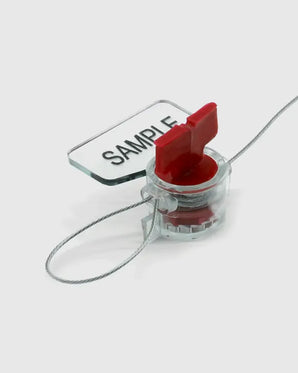
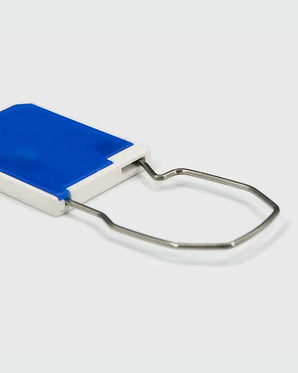
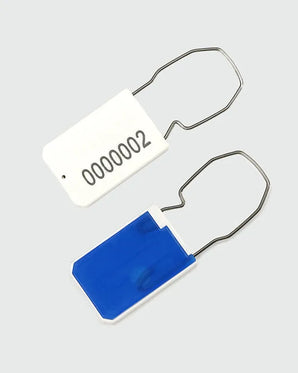


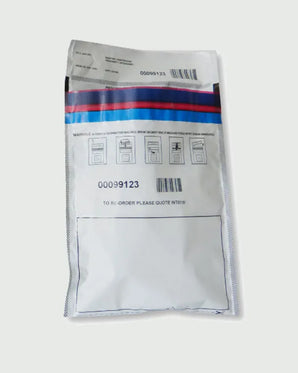
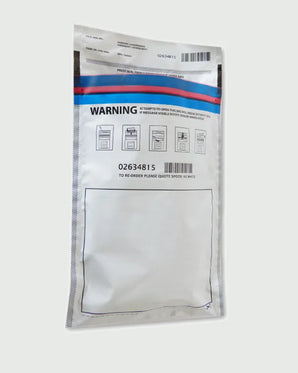
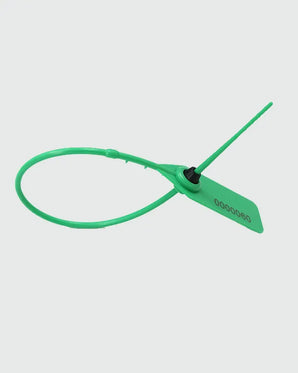
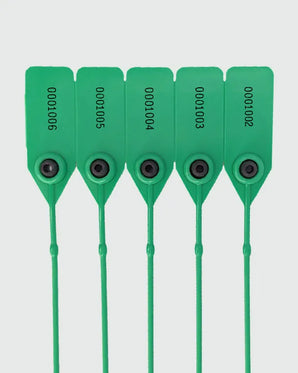
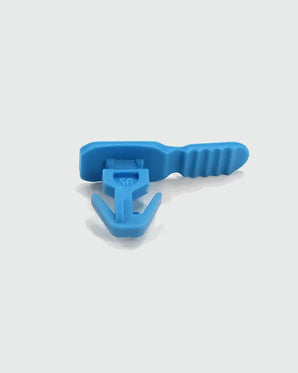
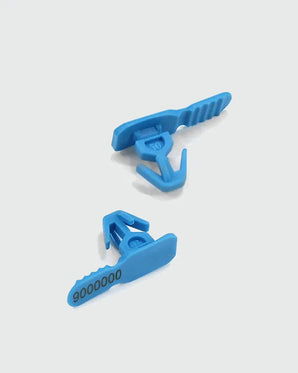

Authorised access to electrical infrastructure requires strict management of visual indicators. Every time a technician opens a panel for routine servicing, they apply a new seal to log that interaction. Utility teams face ongoing demands to track these physical interventions accurately. Removing and replacing electric meter seals guarantees a clear visual indicator of tampering or interference, helping operators secure installations between scheduled inspections.
When should you consider electric meter tamper seal replacement?
You should replace electric meter tamper seals immediately following any authorised access or routine hardware servicing. Applying a new tag guarantees that recent work is properly logged and provides fresh visual evidence of interference. This practical step secures the mechanical enclosure until the next scheduled maintenance visit.
Operational environments rely heavily on procedural discipline rather than impenetrable physical barriers. Tamper seals provide evidence that interference happened, but they do not act to stop access by brute force. Utility staff routinely cut the existing tag to perform necessary checks or repairs inside the technical unit. Applying a new tag directly afterwards gives subsequent inspectors a clear baseline to verify that nobody else accessed the unit in the interim.
The timeline for substitution depends entirely on internal workflows and maintenance schedules set by providers to align with their particular audit requirements. Knowing when to replace electric meter seals remains a fundamental task for site managers overseeing network health. Relying on an established manufacturer guarantees operatives always have the correct physical component to hand for their daily industry applications.
What does an effective electric meter seal inspection process involve?
An effective electric meter seal inspection process requires technicians to cross-reference serial numbers against recorded logs before cutting the current wire. Teams check for physical signs of manipulation and document the exact condition of the unit. This process confirms the operational integrity of the tag.
Maintaining an accurate record is central to an accountable network. Staff must follow a strict procedure when inspecting hardware to guarantee valid data collection and proper reporting. This procedure involves observing the housing for stress marks and verifying the sequential numbering on the primary tag itself. Establishing this rigid baseline helps operators pinpoint exactly when and where an unauthorised entry might have occurred.
Creating a reliable audit trail requires specific procedural steps during site visits. Operational teams generally follow these core actions to maintain standardisation: recording the existing serial number before removal, and logging the exact reason for the authorised access.
These actions support a customer network by directly integrating physical evidence into a broader data strategy. JW Products supplies the tamper-evident seals that make this logging process physically possible, while regulatory compliance remains with the end user managing the central database.
Why are meter seals changed during maintenance routines?
Meter seals are changed during maintenance routines because opening the housing invalidates the previous visual indicator. Operators apply replacement tags to establish a new verifiable starting point for the equipment. This fresh application proves the local environment was secured correctly by the designated engineer at the end of their shift.
Removing an old tag is a deliberate action signifying that an authorised intervention has taken place on site. The replacement component physically identifies the successful completion of that work, serving directly as a tool to support existing handling procedures rather than a standalone security method. Maintaining accurate records helps utility teams monitor regional operations effectively and creates a long-term data chain demonstrating professional oversight to external auditing bodies.
Logging the application of a fresh component confirms absolute adherence to standard operating procedures. This dense documentation proves highly useful when conducting detailed electric meter seal checks for utilities across large service areas. The tags present clear visual evidence of interference rather than enforcing physical security perimeters. They break when subjected to sufficient force, allowing emergency access if required by first responders.
How do electric meter seals support utility provider operations?
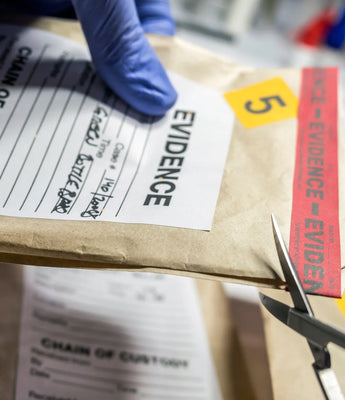
Electric meter seals support utility providers by offering undeniable physical evidence of hardware interaction. They integrate smoothly into existing chain of custody protocols to improve basic traceability. This functionality allows operators to monitor their infrastructure without investing in complex electronics for every single access panel.
Reliable supply chains guarantee that regional technicians have constant access to appropriate visual indicators. Regular maintenance cycles demand a consistent stock of high-quality tags to keep operations moving without delays. A steady manufacturing partner gives organisations the confidence to plan broad infrastructure updates spanning entire cities. For instance, teams conducting electric meter seal inspections rely on predictable inventory levels to complete daily assignments without running short on materials.
Consistency across regions simplifies the basic training requirements for field staff and helps management roll out standardised procedures spanning multiple counties. Using uniform locking mechanisms means employees understand the exact handling process regardless of their immediate location. JW Products supplies these tags to facilitate network monitoring while leaving safety decisions and regulatory compliance directly to the client. The focus is entirely on delivering accurate technical specifications based on individual customer requirements.
Where are tamper seals most commonly applied?
Tamper seals are most commonly applied during scheduled calibration visits or emergency repair callouts. Engineers cut the original tag to physically reach the internal circuitry behind the protective housing. Afterwards, an entirely new secondary tag is threaded through the latch to log the end of the maintenance procedure.
Any sector managing vulnerable access points benefits from a highly structured replacement strategy. Healthcare facilities and logistics hubs share similar requirements for visual interference indication alongside traditional utility networks. Regional providers often coordinate these tasks through distinct local teams operating under a unified national standard.
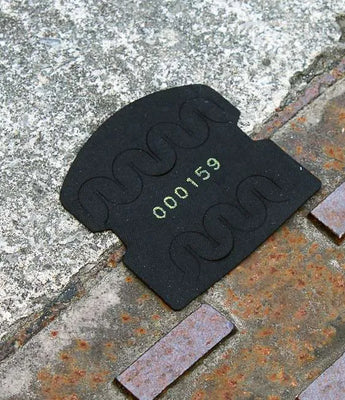
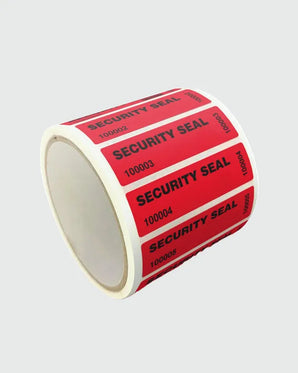
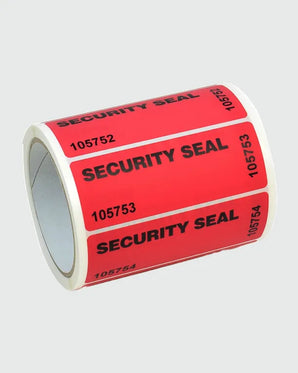
Clear identification numbers on each tag allow managers to track individual engineer movements over time. This traceability helps companies manage daily workloads and verify that scheduled interventions occurred exactly as planned. Supplying dependable physical tools empowers customers to build strict audit frameworks across their entire national network, highlighting the practical value of direct manufacturing supply.
How do local contractors manage visual evidence effectively?
Local contractors manage visual evidence effectively by assigning specific tamper seal number blocks to individual engineers on detailed spreadsheets. This allocation means any applied tag can be instantly traced back to a specific staff member. Efficient inventory control guarantees operatives never run out of necessary logging components.
Independent contractors require the exact same level of supply reliability as major national infrastructure providers. Efficient inventory control processes prevent situations where engineers must leave panels unverified after completing their work. A gap in the visual evidence chain creates severe compliance headaches for the infrastructure owner. Detailed specification gathering sits at the core of the manufacturing supply model, as customers dictate the precise physical dimensions and tensile strength required for their unique enclosures.
Applying the correct product provides total peace of mind for site managers reviewing post-inspection reports. Dependable supply lines empower independent units to maintain rigorous professional standards during outsourced projects. We heavily recommend implementing specific inventory controls, such as auditing store rooms weekly to monitor stock depletion rates and assigning seals in consecutive blocks to specific engineer ID numbers.
Frequently asked questions about meter seal supply?
Customers frequently ask about lead times and physical specifications when arranging new meter seal supply. Enquiries generally revolve around custom sequential numbering options and the correct application method for specific enclosures. Establishing these details guarantees the resulting supply chain matches the intended operational use case perfectly.
How do tamper evident tags differ from padlocks?
A tamper evident tag acts strictly as a visual indicator of interference. A padlock serves as a heavy mechanical barrier designed to physically prevent access. Tags show that someone opened the enclosure, while padlocks actively attempt to stop someone from opening the enclosure in the first place.
Do you advise on which tags fit specific compliance rules?
We supply tags specifically to your requested technical specification. We do not act as compliance authorities or legal advisors regarding broad industry regulations. Customers define their own internal requirements before placing an order to guarantee the mechanical fastener matches their unique working environment.
Can I order custom sequential numbering?
Yes, you can order custom sequential numbering to match your ongoing database requirements. Providing continuous numerical batches helps your technical teams track the chain of custody reliably. This customisation allows the physical hardware to integrate directly with your existing digital record keeping software.
What are the next steps for sourcing replacement seals?
The next step is to review your current inspection process and confirm the exact seal specification you need. This should include tensile strength, numbering format, colour requirements, material suitability and estimated monthly usage.
Planning ahead helps prevent supply gaps and keeps your inspection routines running smoothly. It also ensures the replacement seals you order are suitable for the environment they will be used in, from outdoor sites and utility areas to busy logistics or industrial settings.
JW Products can manufacture replacement seals to your required specification, helping you maintain clear visual checks and consistent operational control. Contact JW Products today to discuss your seal requirements, confirm the right product for your application and arrange a reliable supply schedule.