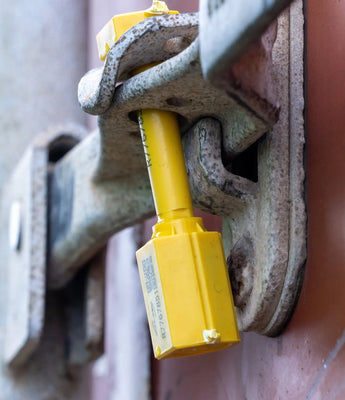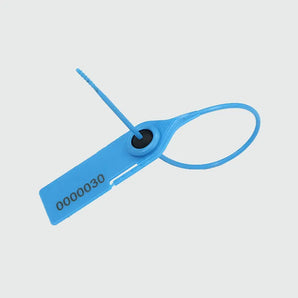
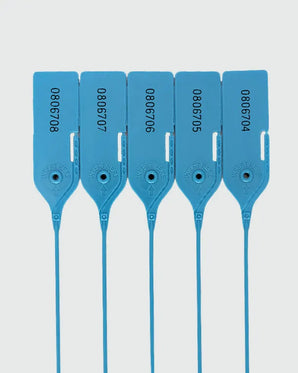
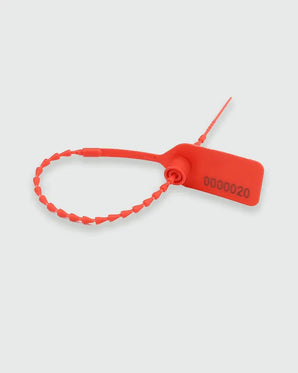
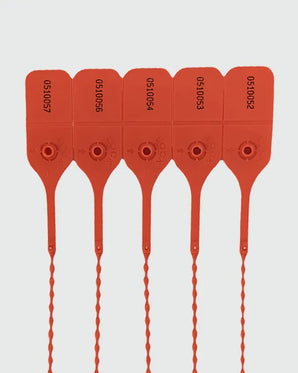
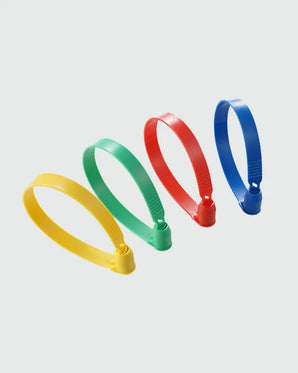
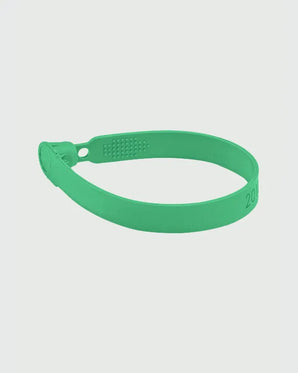
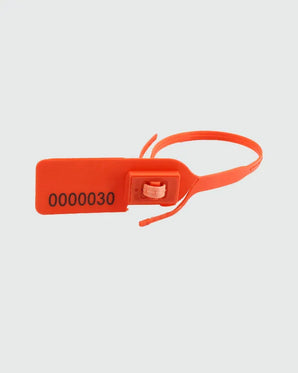
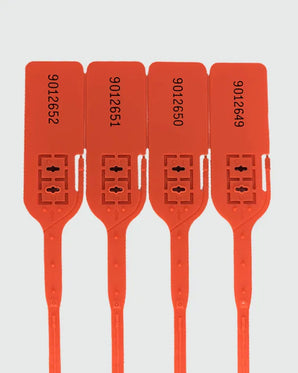
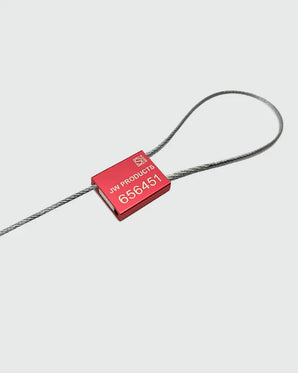
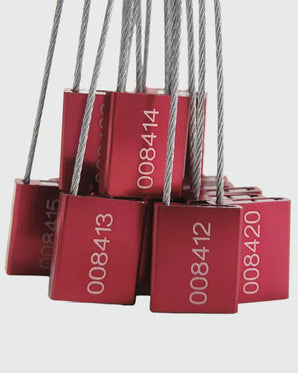
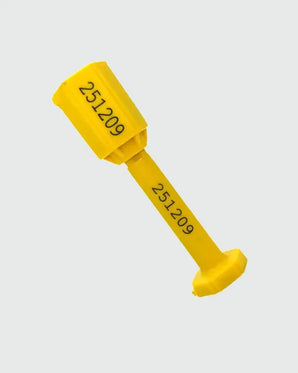
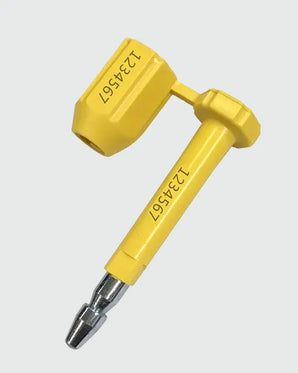
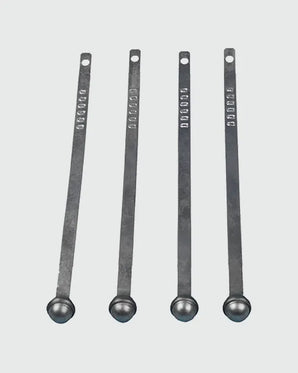
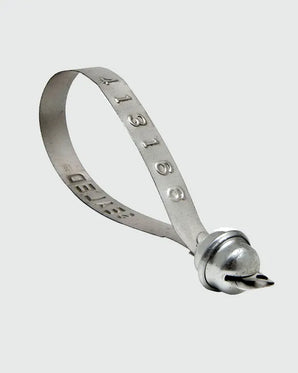
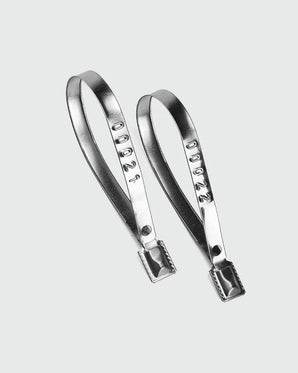
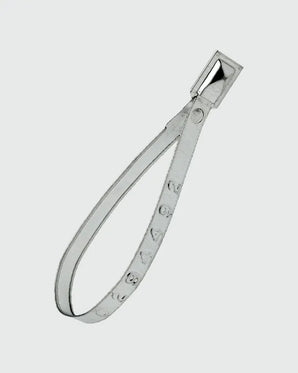
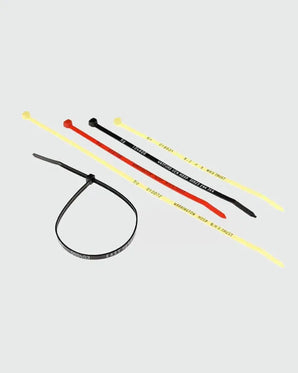
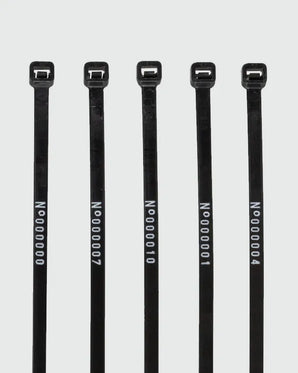
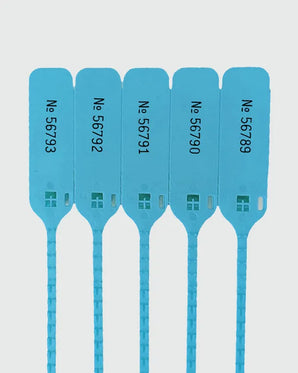
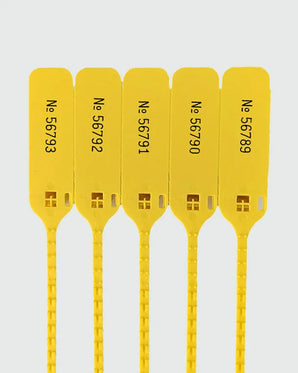
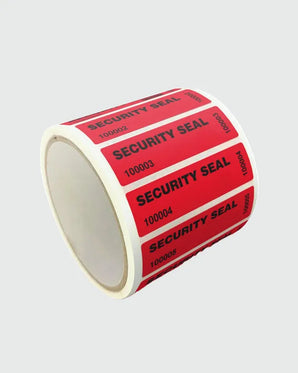
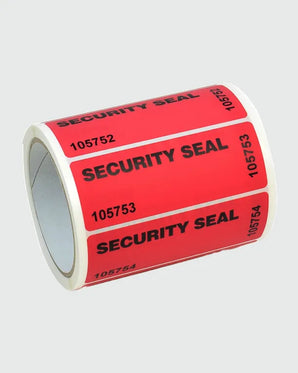
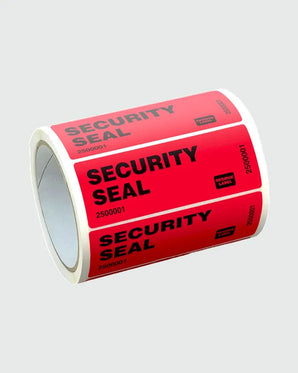
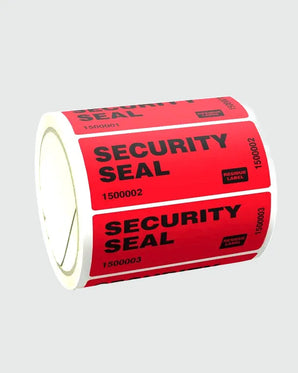

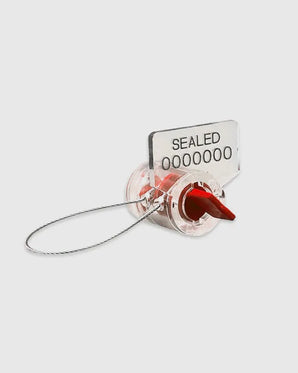
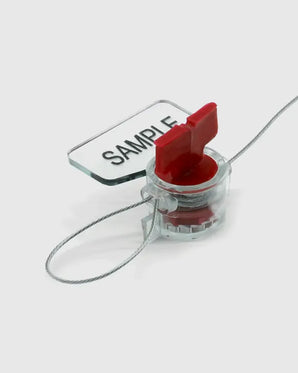
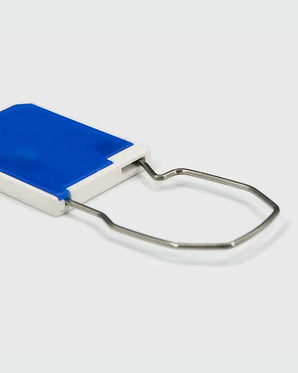
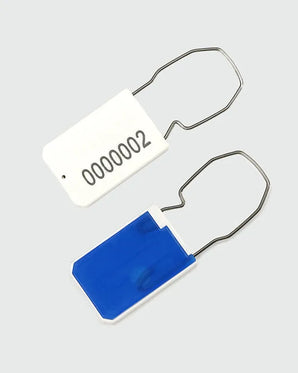


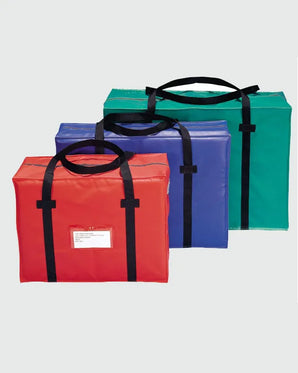
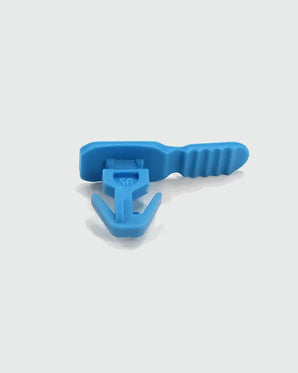
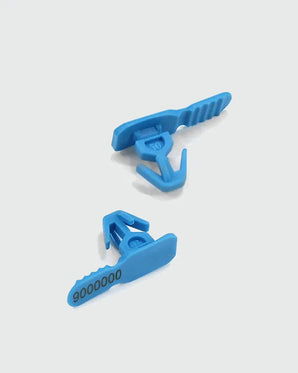

Freight security depends on being able to prove that cargo has not been opened or tampered with during transit. For many international routes and sea freight contracts, this means using heavy-duty bolt seals that provide a clear access record.
You can confirm when bolt seals are required by checking the compliance documents for the route, contract, or port involved. These documents usually set out the standard procedures for securing containerised cargo, recording seal numbers, and managing freight inspections.
JW Products supplies tamper-evident security labels in the industrial asset protection sector. We focus on the practical reality of supply to ensure logistics operators always have access to the correct specification for their unique shipping requirements. Fast and precise delivery supports your existing chain-of-custody procedures without dictating how you run internal audits.
Why are bolt seals for shipping container security necessary?
We supply bolt seals for shipping container security to provide clear visual evidence of tampering. These mechanical fasteners lock intermodal container doors during transit to support chain-of-custody audits. This visible evidence satisfies strict international customs requirements across global supply chains and exposes unauthorised access events during complex freight movements.
A container passing through multiple jurisdictions undergoes numerous handover phases where the cargo is out of direct sight. The physical seal acts as a single point of truth for warehouse staff upon receipt. Operators verify the serial numbers against the shipping manifest to confirm the expected continuity of the load.
These products serve as functional components within a broader inspection routine. They indicate whether the doors were opened between the point of origin and the final destination hub. This supports the warehouse team in cataloguing the structural integrity of incoming deliveries before any internal stock checks commence.
How are ISO 17712 bolt seals explained for operational teams?
ISO 17712 bolt seals are high-security mechanical components tested for tensile strength and impact resistance. They consist of a metal pin and a locking barrel that snap together permanently. Once engaged properly, logistics teams must use heavy-duty cutters to strip them during standard intermodal container inspections.
This international standard categorises the mechanical strength of the seal to ensure universal recognition at border checks. Freight companies require these certifications to clear manual customs checkpoints worldwide. A compliant component proves to port authorities that the sealing procedure meets the required threshold for cross-border transport.
Using non-compliant products on international routes results in immediate delays and mandatory quarantine procedures. Transport managers must verify their stock aligns with these international requirements to prevent administrative backlog. Our manufacturing focus guarantees that operators receive components built to exact dimensional and material specifications every time.
Why specify bolt seals for high value shipments?
Logistics managers specify bolt seals for high value shipments to establish a rigid chain-of-custody protocol. The heavy metal construction provides a definite physical indicator of access. This visible interference marker assists auditors in tracking the exact operational handover point where a containment breach occurred during freight transit.
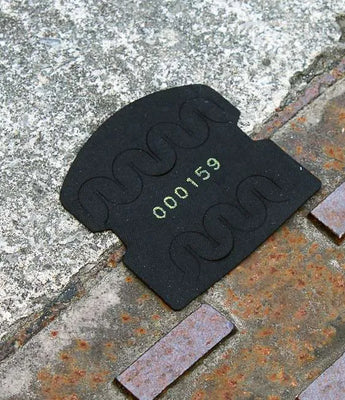
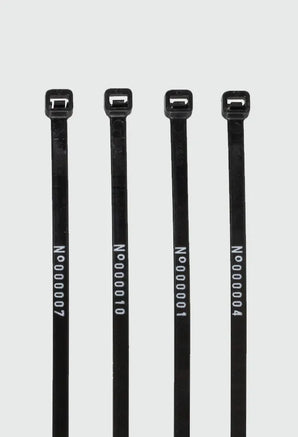
High-value cargo demands detailed tracking mechanisms that integrate practically with digital manifesting software. The numbers etched into the metal surface give haulage companies a reliable data point to log at every regional depot. Handover protocols dictate that drivers and yard supervisors witness and sign off on the exact condition of the component upon arrival.
Loss identification relies entirely on the accuracy of these visual inspections at the loading bay. Operational teams rely on the undeniable physical state of the metal barrel to flag loads requiring immediate internal audit. The seal serves its entire purpose by displaying damage when a breach takes place.
What is the reality of bolt seals for container tamper prevention?
Using bolt seals for container tamper prevention does not stop determined thieves from accessing cargo. They act purely as indicators of interference to support operational monitoring. A destroyed seal highlights that a breach happened, which allows warehouse managers to log the incident and flag the container for inspection.
We maintain very clear functional boundaries regarding the capability of our product lines. A metal pin and barrel will yield to industrial cutting equipment wielded by individuals focused on accessing a shipping container. The value of the device lies in the fact that it cannot be covertly repaired or replaced with an identical numbered unit once cut.
Understanding what the product does not do is necessary for mature supply chain management. Transport companies must implement comprehensive yard monitoring and routing procedures to mitigate actual cargo loss. The mechanical fastener simply provides the audit trail required to process insurance claims and adjust inventory levels accurately.
How do logistics hubs utilise container bolt seals Manchester distribution networks?
Regional container bolt seals Manchester distribution networks rely on steady local supply chains for consistent inventory. Regional transport hubs require immediate access to these mechanical fasteners to keep export schedules moving. Continuous availability prevents dispatch delays and ensures vehicles leave depots with the correct compliant documentation.
Local manufacturing and distribution mean that haulage firms operating across Northern transport corridors never face supply shortages. Depot managers calculate their monthly volume of outgoing sealed containers and align this with our regular delivery schedules. The physical reality of logistics dictates that running out of these components halts international dispatch entirely.
By working with an established UK-based supplier, transport hubs scale their requirements seasonally without operational friction. We supply products tailored to exact customer specifications to support existing workflow requirements. This predictable supply model allows dispatch managers to focus purely on cargo turnaround times.
Why do freight security bolt seals Liverpool ports require strict auditing?
Handling freight security bolt seals Liverpool ports demands precise documentation because maritime customs authorities inspect incoming identifying numbers. Port workers check the physical seal against the recorded manifest to verify that no goods were accessed. Discrepancies trigger quarantine procedures and detailed container investigations before release.
Maritime transit involves lengthy periods where containers remain stacked in inaccessible conditions. The environmental resilience of standard metal and ABS plastic construction ensures the serial numbers remain legible despite saltwater exposure. Port inspectors demand clear readability to log the container out of the holding yard safely.
The intersection of physical inspection and digital record keeping defines modern port efficiency. Staff on the ground must visually confirm the integrity of the locking mechanism before authorising the lorry to depart the port boundaries. The visual evidence of the component speeds up compliance checks and keeps haulage queues moving swiftly.
Frequently Asked Questions About Freight Security Seals
Logistics managers often need clear answers on stock control, inspection routines and regional fastener requirements. Freight security seals support traceability across transit networks, but the right specification will depend on your routes, customer requirements and internal audit process.
How should Manchester freight depots manage bolt seal stock?
Manchester freight depots should manage bolt seal stock by forecasting usage against container volumes, dispatch schedules and customer requirements. Many operators place recurring orders to ensure they always have enough compliant seals available for daily use.
Reliable stock control helps prevent loading bay delays, especially during busy export periods. Treating bolt seals as essential operational consumables allows teams to maintain accurate documentation and avoid last-minute procurement issues.
Why are bolt seals on Liverpool shipping containers checked manually?
Bolt seals on Liverpool shipping containers are checked manually because physical inspection remains an important part of freight security. Port teams and logistics operatives may look for cutting marks, tampering, adhesive repairs or signs that the locking mechanism has been forced.
Digital records can support the audit trail, but a trained operator still needs to confirm the seal’s physical condition. This helps verify that the container doors remain secure before the shipment continues.
What should logistics depots consider when ordering bolt seals?
Logistics depots should choose bolt seals based on customer specifications, route requirements and internal handling procedures. Operators usually need to confirm the seal dimensions, tensile strength, numbering format and any colour-coding requirements before placing an order.
JW Products supplies bolt seals to match these stated specifications. The customer remains responsible for their compliance process, while we provide the physical fasteners needed to support secure freight handling.
Contact JW Products for Freight Security Seals Built Around Your Operation
Securing freight properly starts with choosing the right fastener for the route, container type and audit process. The right bolt seals help your team record serial numbers clearly, check for tampering quickly and maintain a reliable trail of evidence.
JW Products supplies practical, dependable freight security seals for demanding logistics environments. Contact JW Products today to discuss your bolt seal requirements and order components matched to your operational needs.