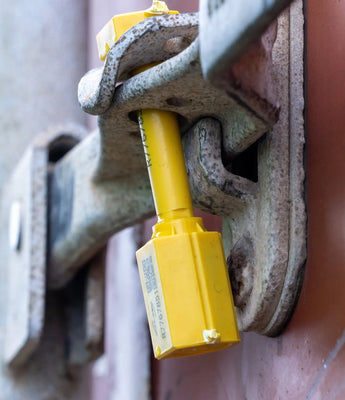
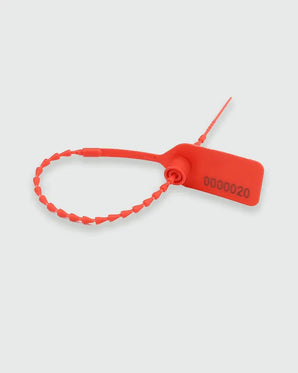
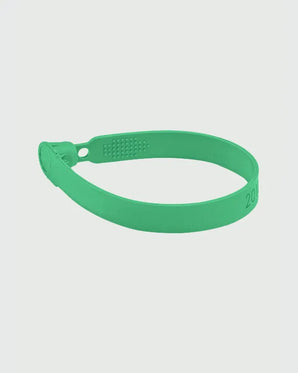
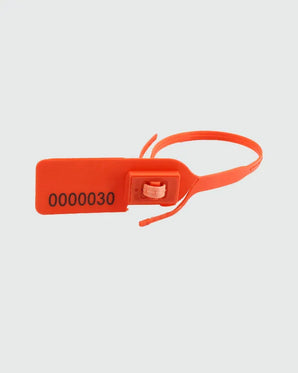
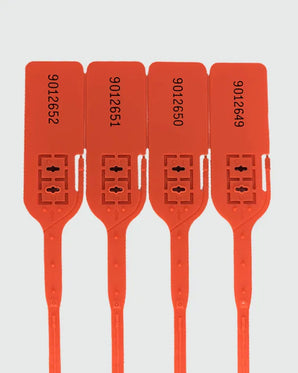
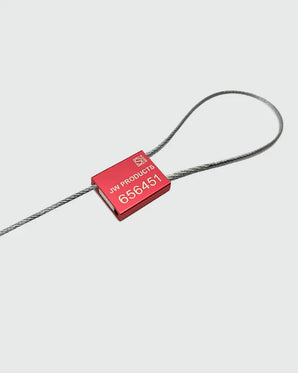
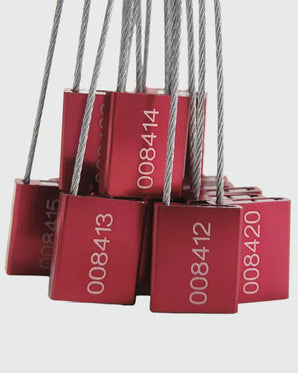
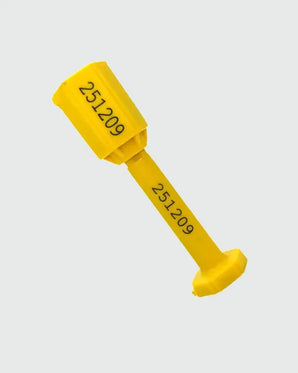
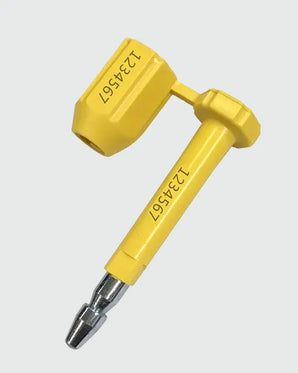
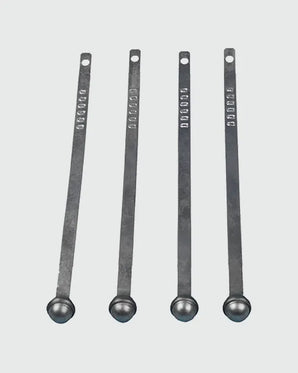
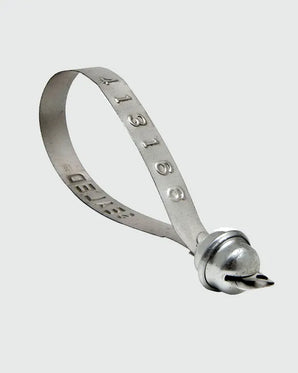
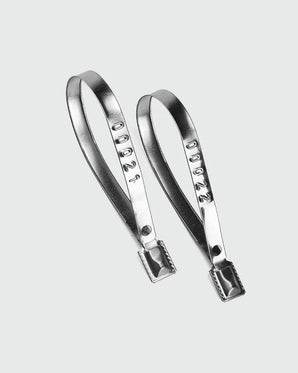
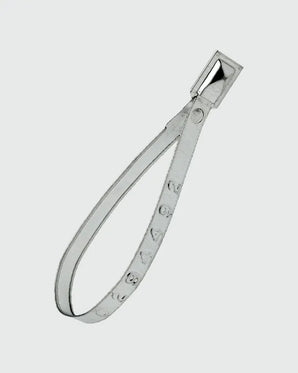
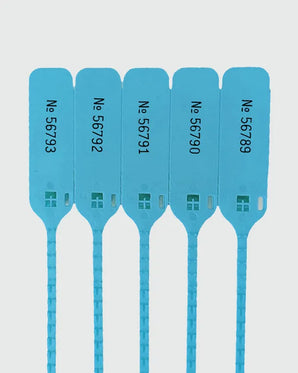
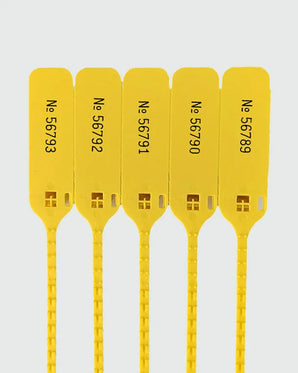
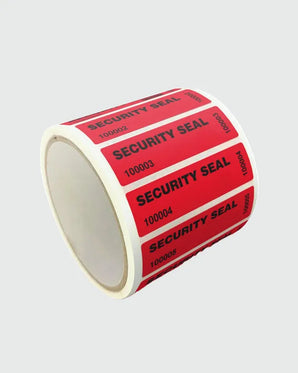
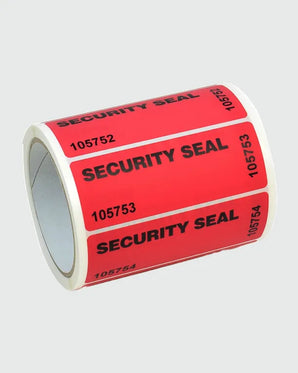
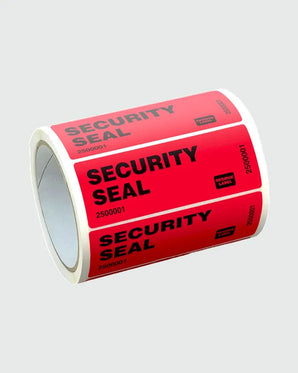
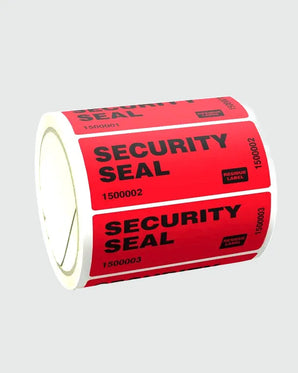
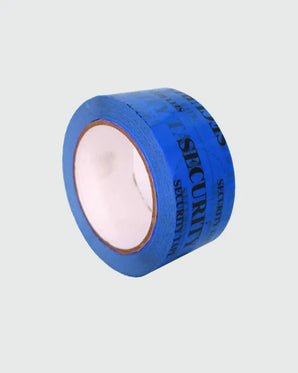
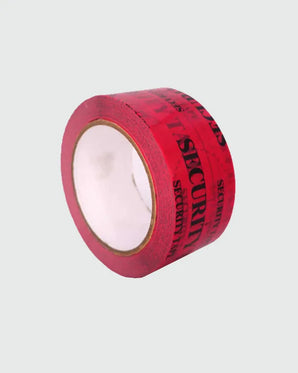
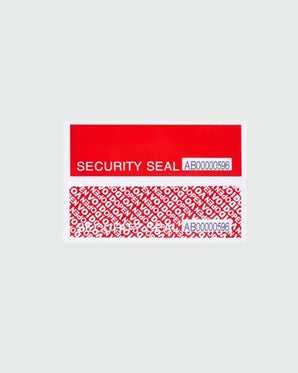
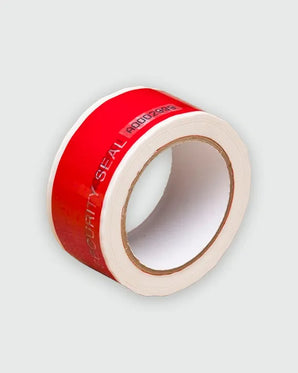


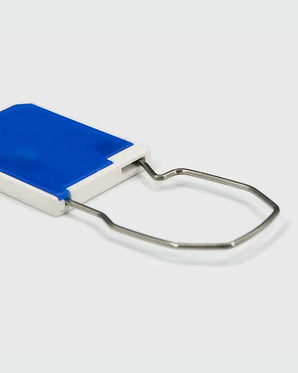
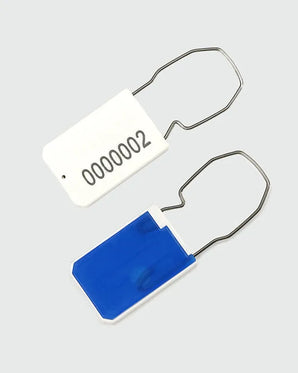


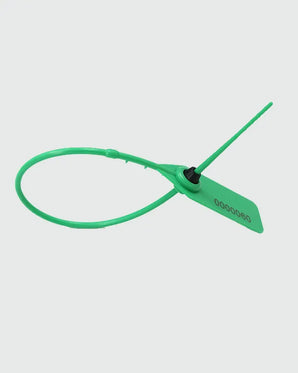
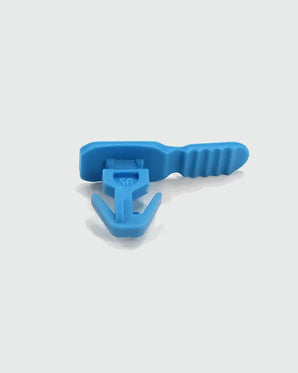
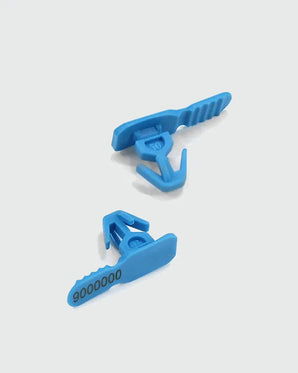

Plastic seals provide the primary visual evidence for fire safety compliance. These small devices confirm that critical equipment remains untampered with between mandatory inspection intervals. Site managers and "Responsible Persons" rely on these indicators to avoid regulatory audit failures and protect their site’s insurance defensibility. At JW Products, we view the selection of high-visibility security seals as a vital operational strategy for maintaining a robust, audit-ready duty of care.
These indicators function as proof of handling rather than physical locks. In highly regulated environments, this visual confirmation protects the integrity of life-safety assets.
How often should fire extinguishers be inspected according to BS 5306-3?
The Regulatory Reform (Fire Safety) Order 2005 governs UK fire safety, but British Standard 5306-3 provides the specific framework for maintenance. This standard requires a "Responsible Person" to inspect every fire extinguisher on-site at least once a month.
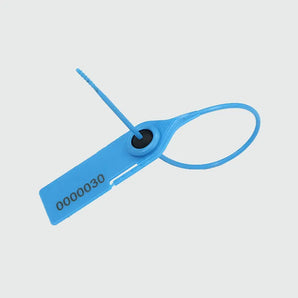
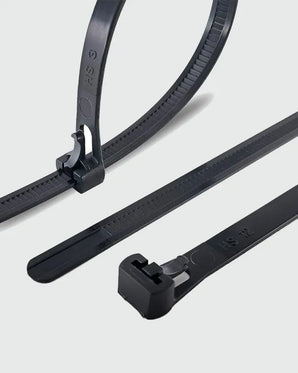
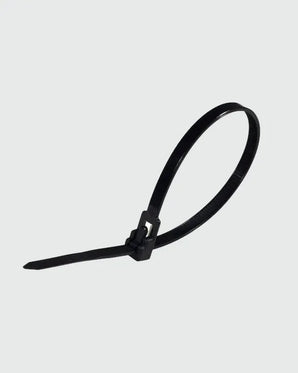
Inspectors look for "readiness" during these walks. An intact plastic pull-tight seal proves the unit hasn't been discharged. If an inspector finds a missing seal or a disturbed locking mechanism, the law assumes the unit is compromised. This triggers a requirement to "tag out" the device for professional re-certification. To simplify this, we supply specialised seals for fire safety checks that allow staff to spot a compliance breach instantly across large-scale facilities.
Why are plastic security seals used for insurance and audit defensibility?
Fire safety strategies relying on manual, deep-dive inspections cost a site time and increase the risk of human oversight. Integrating tamper-evident seals implements a visual management system that removes the guesswork from equipment status checks. Using high-quality plastic seals throughout a facility ensures that compliance is visible to any inspector at a glance.
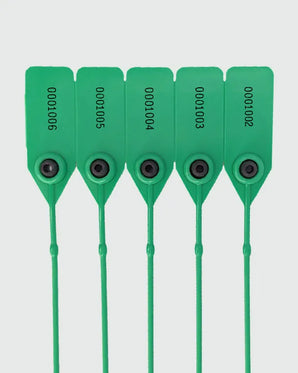
The business argument centres on liability protection. Following an incident, forensic investigators scrutinise the fire logbook and the physical state of the equipment. Documenting unique, intact seal numbers moves a site from a speculative position to an audit-proof one. Our plastic tamper seals protect a company's legal standing by proving the equipment remained in its required condition since the last service.
Why is polypropylene preferred over nylon for fire safety seals?
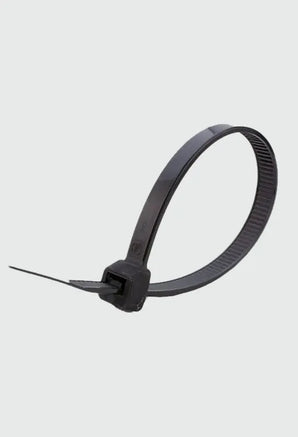
Experienced facilities managers understand that standard fasteners do not suit safety equipment. A common error involves using nylon cable ties to secure fire pins. While nylon offers high tensile strength, it lacks a controlled "break-point." In an emergency, a panicked user may find it impossible to pull the pin manually.
We manufacture our fire safety compliance seals using polypropylene. This polymer offers the specific "low-break-strength" required for emergency deployment. Polypropylene also provides better thermal stability in unheated environments, such as external cabinets or cold-storage warehouses. It resists the brittleness that affects cheaper plastics, ensuring the seal remains intact until intentionally broken.
How does a yearly color-coding system improve fire asset management?
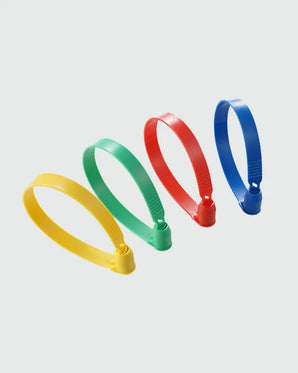
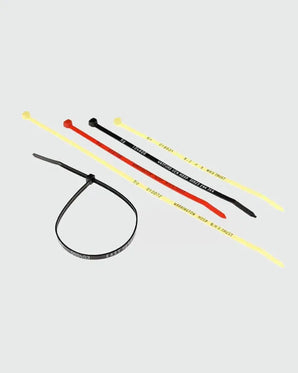
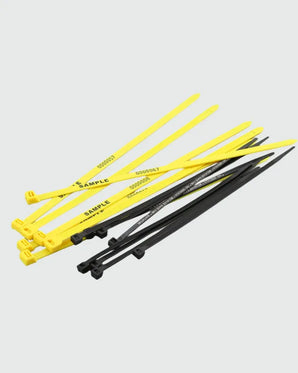
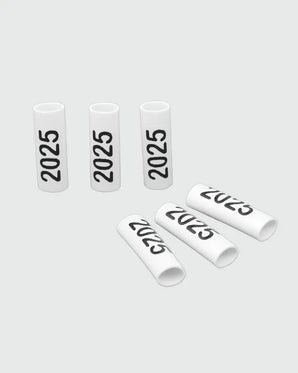
Managing thousands of assets across a large estate requires high-level logistical oversight. We often recommend a "Yearly Colour Rotation" to our clients. By changing the seal colour annually for example, using yellow for 2024 and blue for 2025 site managers can perform "distance audits."
An auditor walking a warehouse floor can see from twenty feet away if an extinguisher still carries last year's colour. This visual cue immediately identifies equipment missed during the annual professional service. We provide a range of high-visibility colours to support this system, reducing the time spent on manual logbook cross-referencing.
Can security seals be used on fire blankets and emergency exit bolts?
A proactive duty of care extends to the entire fire path. Our product range supports tamper-evident protocols across various safety assets:
- Fire Blankets: Small pull-seals on container tabs prove the blanket remains present and correctly folded, preventing critical delays.
- Hose Reel Nozzles: We supply seals that secure the nozzle to the frame, ensuring the water path remains unobstructed by nuisance tampering.
- Emergency Exit Bolts: Our specific flutes and seals for Redlam or Kingpin bolts deter unauthorised door use while ensuring the exit remains available in an emergency.
How do tamper-evident seals reduce fire maintenance costs?
Unnecessary call-out fees represent a significant "hidden" cost in facilities management. If a missing pin suggests interference, the law demands a professional service to verify the unit's pressure. Across large estates, these fees accumulate.
Our plastic seals for equipment security deter nuisance interference from staff or visitors. By deploying these plastic seals strategically, maintenance teams receive a clear "go/no-go" signal. Identifying only the units requiring attention allows organisations to avoid the expense of "just-in-case" servicing for hundreds of devices. This approach targets budget spend toward actual maintenance needs.
What are the benefits of using uniquely numbered seals for a fire logbook?
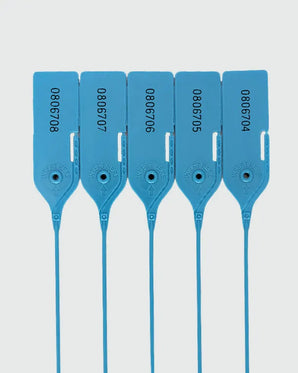
UK fire safety law expects a proactive duty of care. Numbered plastic security seals provide the traceability required for high-level audits. This identifies the difference between a basic safety plan and a professional operations strategy.
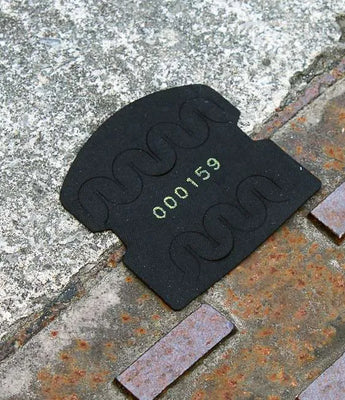
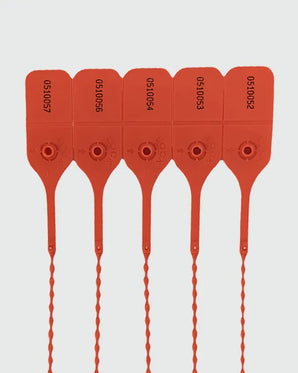
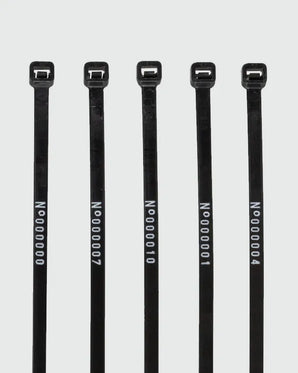
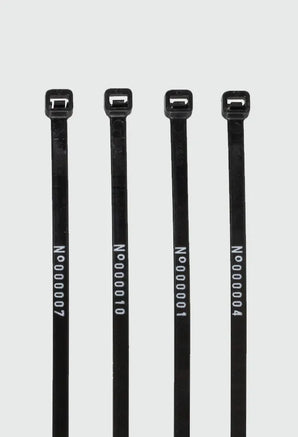
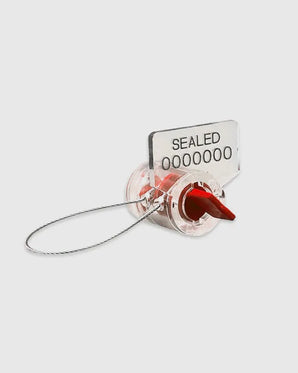
A uniquely numbered JW Products seal acts as a silent witness to your compliance. It proves that no unauthorised personnel have touched the equipment since its last certified service. Because these plastic seals carry unique serial numbers, the chain of custody remains unbroken. If the polymer ribbon snaps or the serial number fails to match the logbook entry, the inspector knows immediately that the equipment’s integrity is gone.
The "Seal Walk" Checklist: 4 Steps to Compliance
To maintain compliance, follow these operational steps during monthly inspections:
- Inspect for Stress Whitening: Look for pale marks on the plastic. This indicates the seal has been manipulated, even if it hasn't snapped.
- Confirm Pin Seating: Ensure the seal holds the safety pin firmly. A loose pin can fall out due to vibration from machinery or nearby heavy footfall.
- Verify Break-Strength: Use a low-break-strength polymer. If a seal resists snapping, the equipment becomes a hazard.
- Visual Distance Audit: Check that all seals in a specific zone match the current year’s designated color code.
A safety officer seeing JW Products fire extinguisher seals recognizes professional rigour. Maintaining these small details supports a healthy, compliant safety culture.
To discuss product specifications or the availability of specific seal types for your site, contact the JW Products team for technical support.