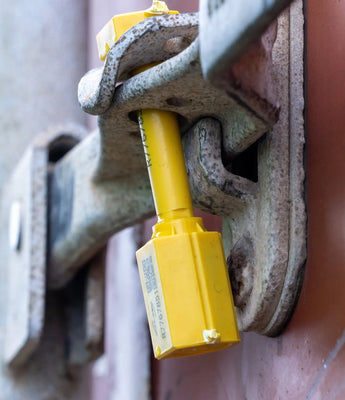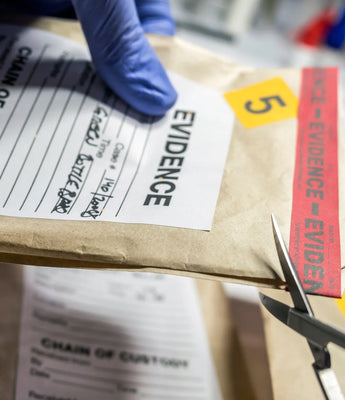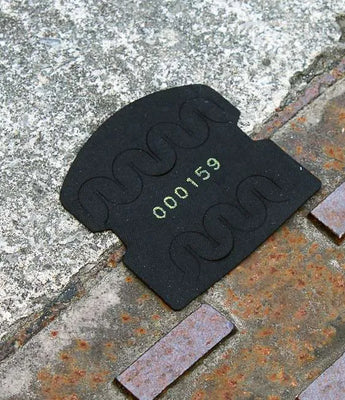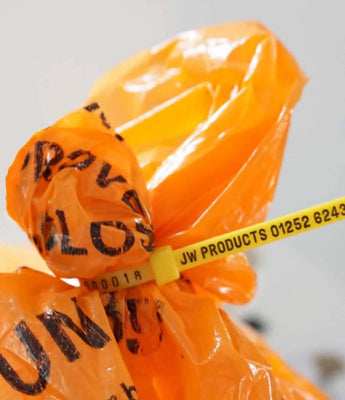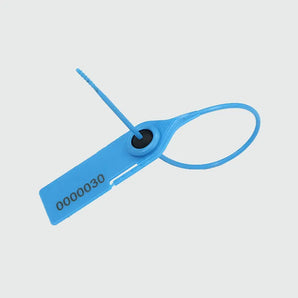
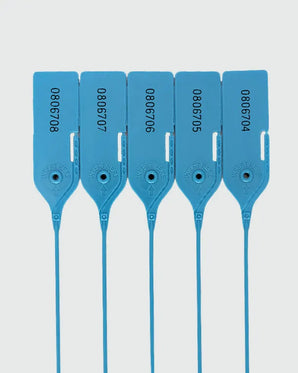
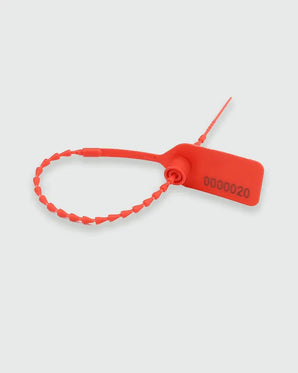
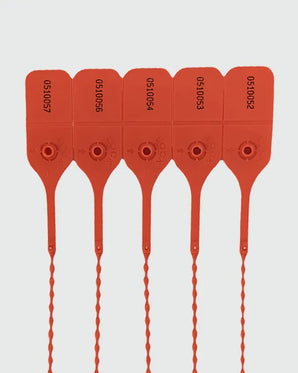
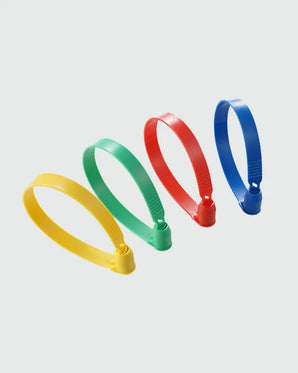
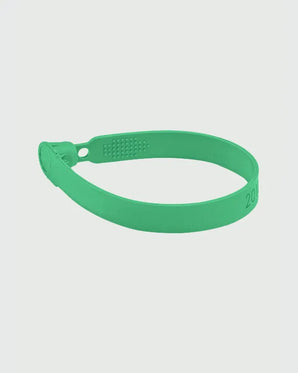
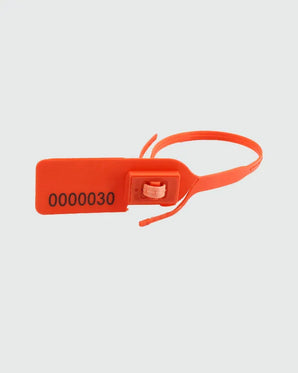
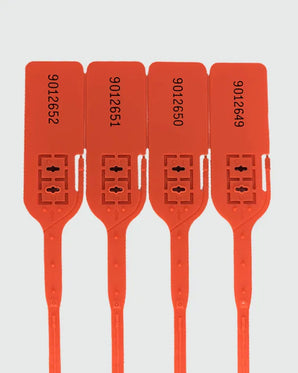
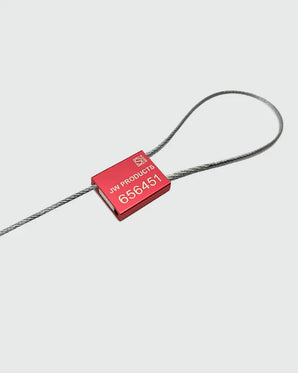
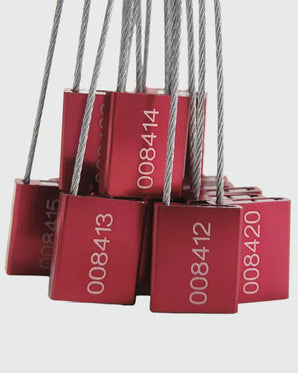
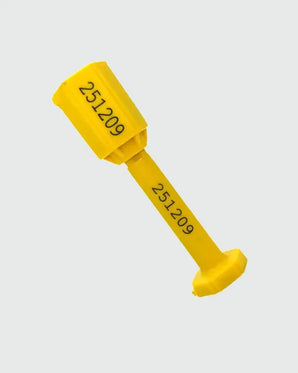
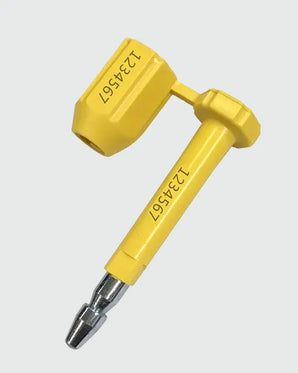
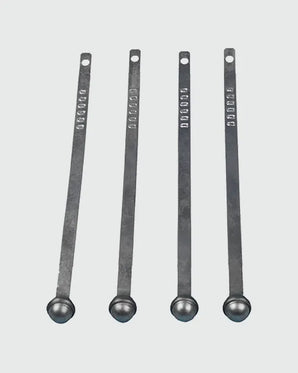
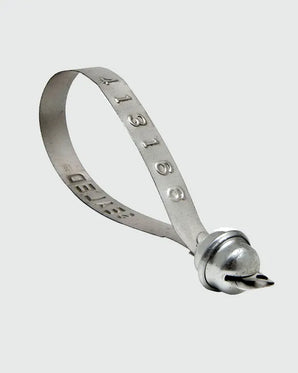
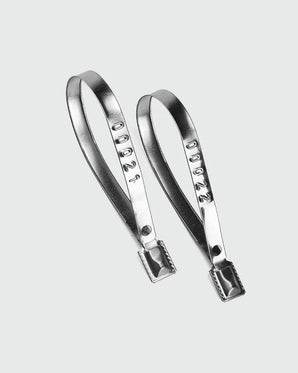
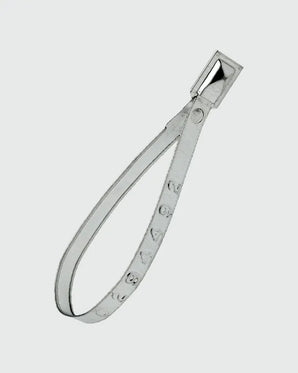
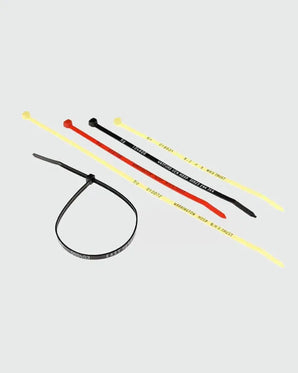
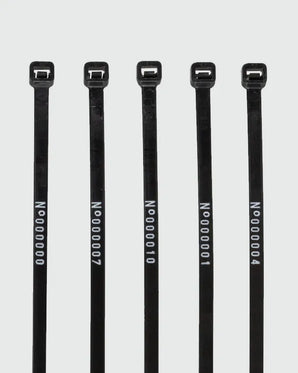
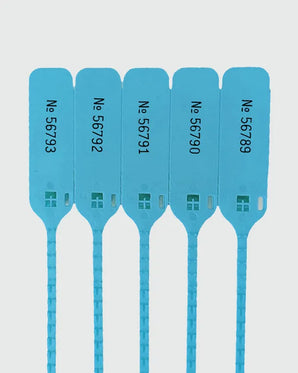
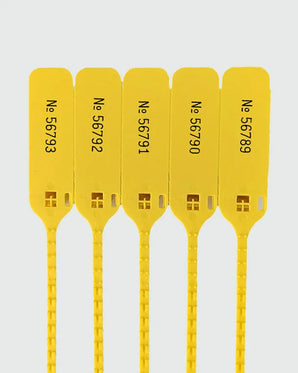
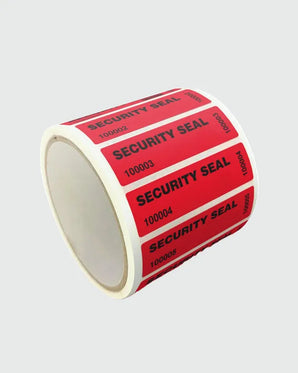
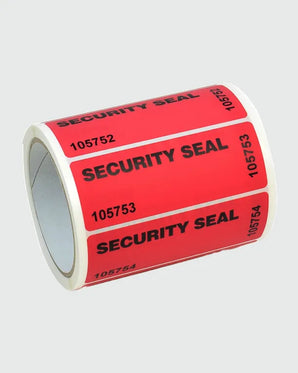
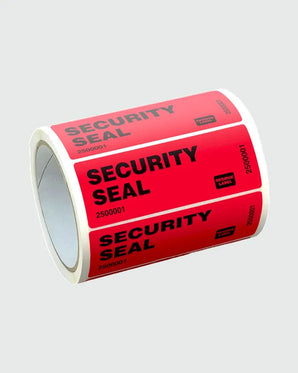
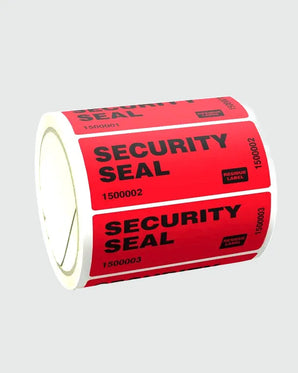
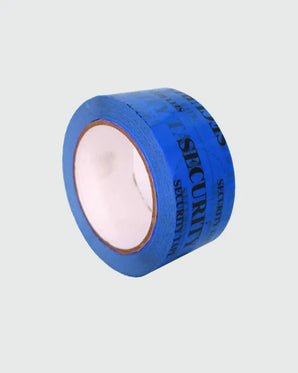
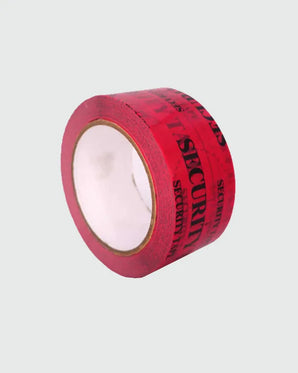
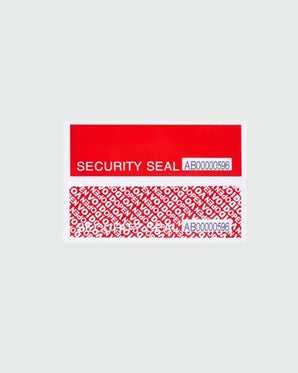
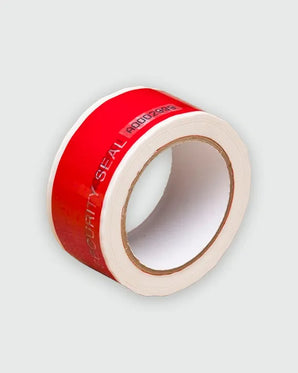
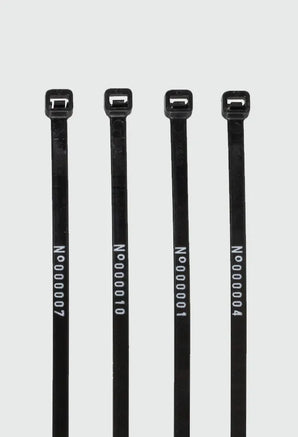
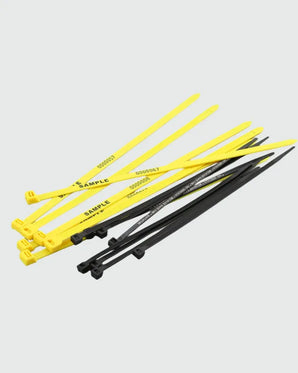

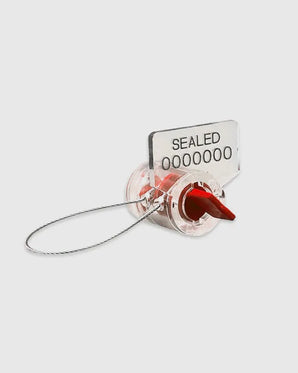
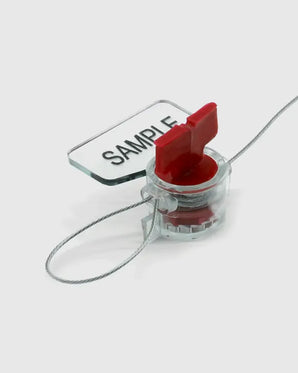
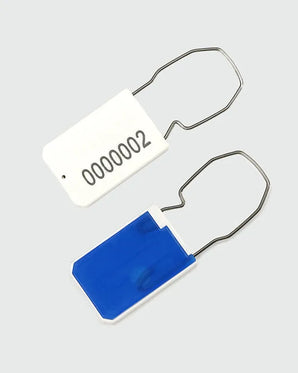


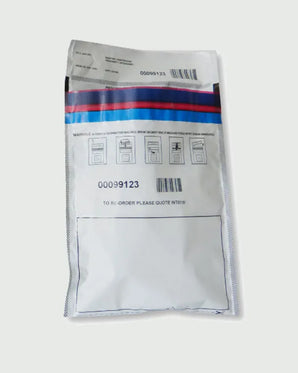
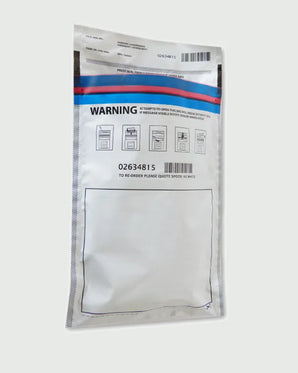
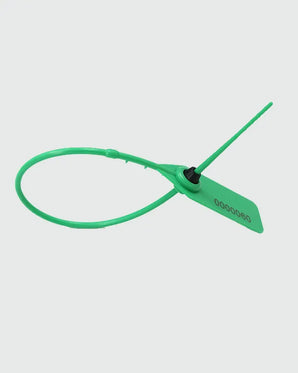
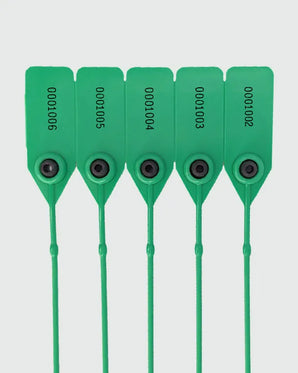
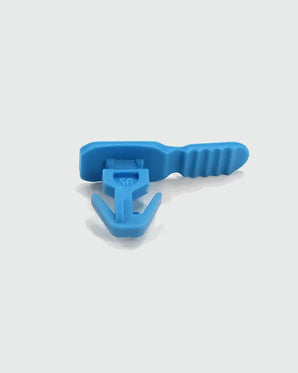
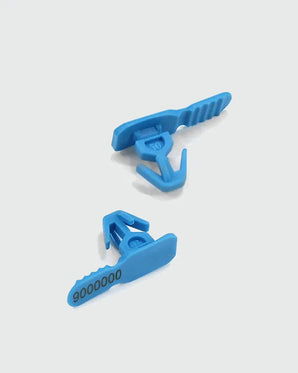

Sequentially numbered security seals give each seal an individual identifier that users can record and check. The number helps distinguish one seal from another and gives the user a specific reference for inspections, handovers and other points within their own operational process.
This is separate from the tamper-evident function of the seal itself. A tamper-evident security seal provides visible evidence of interference. Sequential numbering adds identification and traceability by allowing the user to check that the seal in place carries the number they expect to see.
This distinction matters in applications where several similar seals may be in use or where an item moves between people or locations. Instead of checking only the physical condition of the seal, the user can also compare its number against their existing record.
JW Products supplies stock-numbered security seals with sequential numbering and also offers custom numbering options. Customers can incorporate those identifiers into their own recording and inspection procedures according to their operational requirements.
What Does Sequential Numbering on a Security Seal Mean?
Sequential numbering gives individual seals numbers within an ordered series. For example, a production run might include seals numbered 001245, 001246 and 001247.
The sequence makes each seal identifiable even when the seals share the same colour, dimensions and other product characteristics. A user can record an individual number against the relevant shipment, container, asset or access point. When somebody checks the seal later, they can compare the number on the physical product with the number already recorded.
This does not make the seal tamper-proof or prevent somebody from gaining access. Security seals remain tamper-evident products. Their purpose is to provide a visible indication that interference may have occurred.
Sequential numbering supports a different part of the process: identification. It gives the user a specific seal reference rather than relying on appearance alone.
Why Is an Individual Seal Number Useful?
A seal without an individual identifier can still provide visible evidence of interference. However, when several identical seals are available, appearance alone may not establish which particular seal was originally fitted.
Numbering addresses this limitation.
For example, a user may record a seal number when applying the product. At the next inspection point, another person can compare the physical number with the recorded identifier. A matching number confirms that the seal being inspected carries the identifier expected within that record.
If the number differs, the user has a specific discrepancy to investigate according to their own procedures.
The difference does not automatically establish that unauthorised access has occurred. Someone may have removed and replaced a seal during authorised maintenance or another legitimate activity. The value of the number lies in making that change identifiable when the appropriate records exist.
Sequential numbering therefore works alongside the visible tamper-evident characteristics of the product rather than replacing them.
How Are Security Seal Numbers Recorded?
The method used to record security seal numbers depends on the customer's existing systems and operational requirements.
Some organisations may record the number on a dispatch document or inspection sheet. Others may include it within a digital asset, maintenance or shipment record. Where the seal specification includes a barcode, a suitable system may allow the identifier to be scanned rather than entered manually.
A typical record could include information such as:
- the security seal number
- the item, location or reference associated with the seal
- the date the seal was applied
- the date of subsequent inspection
- the condition recorded during the check
- the number of a replacement seal, where applicable
The exact information required remains a matter for the organisation using the product. The important point from a product perspective is that sequential numbering provides a distinct identifier that the customer can incorporate into the recording method they already use. Numbering alone does not create an audit trail. The user creates the record by capturing the number and checking it at the relevant points within their process.
What Should You Check on a Sequentially Numbered Seal?
When inspecting a tamper-evident security seal, users can consider both its physical condition and its identifying information.
The physical inspection looks for the visible evidence the particular seal is designed to show. The exact characteristics vary between security seal types and specifications.
The number provides a separate reference. Where an organisation records seal identifiers, the person carrying out the inspection can compare the number on the seal with the number held in the relevant record. This may include checking any other printed identifiers where these form part of the specification.
The number should also remain sufficiently legible for the intended inspection process. Product specification, printing method and operating environment can therefore affect the type of identification required.
If the number differs from the recorded identifier, the user can refer to their own procedures and records to establish why the seal changed.
This keeps the function of the product clear. The seal indicates possible interference through its tamper-evident features, while its number helps identify which seal is being inspected.
What Happens When a Security Seal Is Replaced?
There are many legitimate situations in which somebody may need to remove a security seal. Maintenance, authorised access or routine operational activity may require replacement.
Sequential numbering allows the replacement seal to have a different identifiable reference. Where the user's process requires it, the record can show the number of the removed seal alongside the number of the replacement. This creates continuity between the physical products and the organisation's own records.
A different seal number should not automatically be treated as evidence of unauthorised activity. The user's records and procedures determine how the change should be handled and what checks are required.
JW Products supplies the numbered product. The customer remains responsible for deciding when seals are applied or replaced, how numbers are recorded and how discrepancies are managed within its own operation.
Where Are Sequentially Numbered Security Seals Used?
Sequential numbering can be useful wherever an organisation needs to distinguish individual security seals during handling or inspection.
In logistics and transport, users may record a seal identifier against a load, container or other relevant shipment reference. Another person can then check that identifier at a later stage in the movement of the goods.
Within facilities management, numbered seals may be applied to suitable access points, equipment or containment applications. The identifier gives maintenance and facilities teams a specific reference to include within their existing records where required.
For utilities, individually numbered seals can provide identification on suitable meters, equipment or other operational applications. The organisation determines how those identifiers fit into its inspection and asset-management procedures. Other businesses may use numbered seals wherever individual identification supports an established monitoring or handover process.
The application does not change the fundamental role of the product. A tamper-evident seal provides visible evidence of interference, while sequential numbering makes the individual seal identifiable. Product suitability depends on the specific application, required seal characteristics and the customer's operational requirements.
Are Sequential Numbers the Same as Barcodes?
Sequential numbers and barcodes can both identify a security seal, but they are not the same thing.
A sequential number provides a human-readable identifier. A person can read the number directly from the seal and compare it with a written or digital record.
A barcode represents information in a machine-readable format. Where the customer's systems support barcode scanning, this can provide another way to capture the identifier.
Some applications may require only visible sequential numbering. Others may specify a barcode alongside the printed number. The appropriate format depends on the customer's recording system and product specification.
JW Products has in-house printing capabilities that include numbering and barcoding, allowing identification requirements to form part of the security seal specification where applicable.
Can Security Seals Have Custom Numbering?
Standard sequential numbering suits many applications, but customers may have specific identification requirements.
These could include a particular number range, barcode or other custom-printed information. The available options depend on the security seal and the required specification.
JW Products offers stock sequential numbering and customers can request specific numbering requirements, including a particular number range, barcode or other custom-printed information where the selected product permits it.
This allows customers to specify different marking requirements where the product permits them. Customers should determine the numbering format and record-keeping requirements appropriate to their own operation.
Why Does Sequential Numbering Matter?
Sequential numbering gives each security seal an individual reference.
That reference can help a user distinguish otherwise identical seals, record which seal has been applied and compare the identifier during a later inspection. If a seal is legitimately replaced, the new number can also be recorded according to the user's own procedures.
The numbering does not prevent interference and does not make a security seal tamper-proof. Its value lies in identification and traceability when the user records and checks the number as part of an appropriate operational process.
JW Products manufactures and supplies tamper-evident security seals with numbering and custom-printing options for different product specifications. Product suitability and application requirements remain the responsibility of the user.
For information about available security seals, numbering, barcoding or custom-printing specifications, contact JW Products to discuss your product requirements.