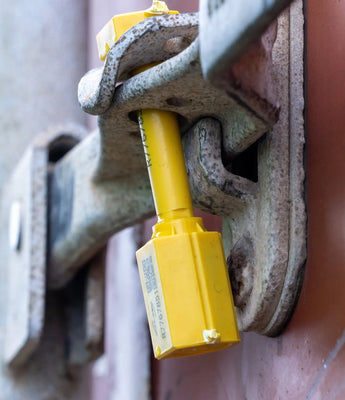
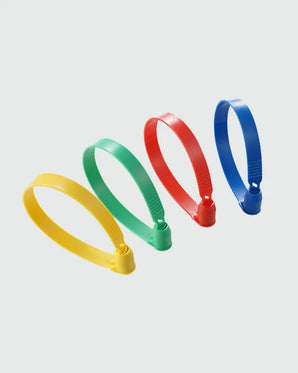
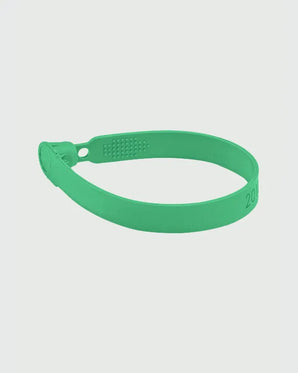
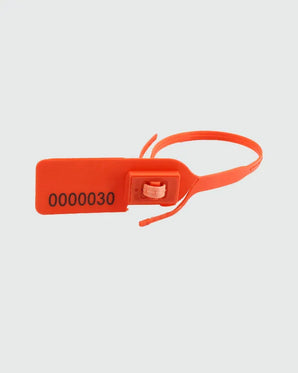
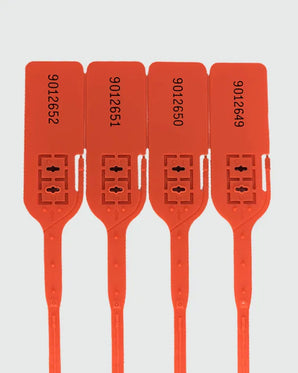
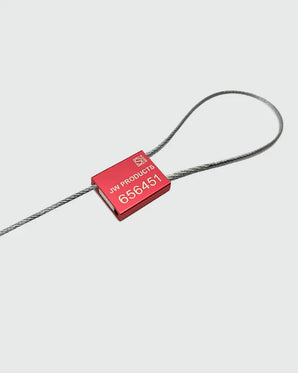
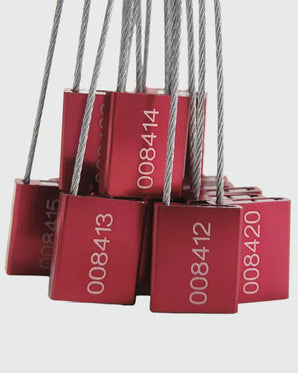
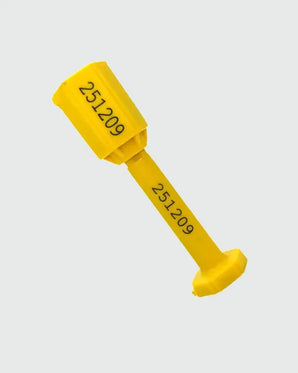
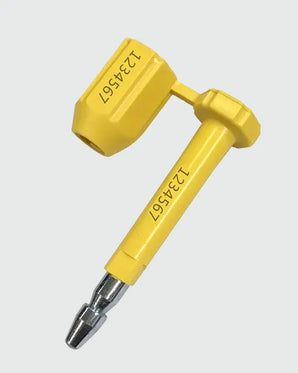
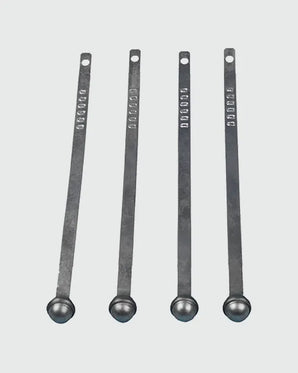
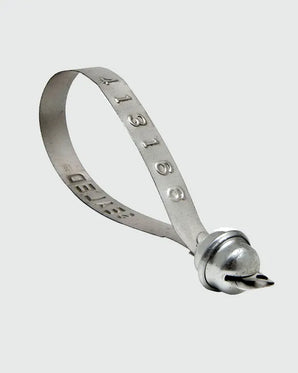
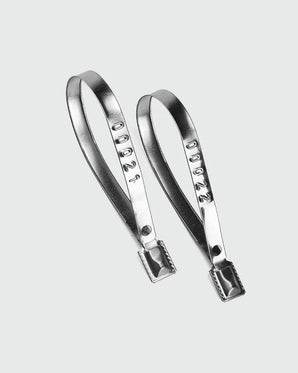
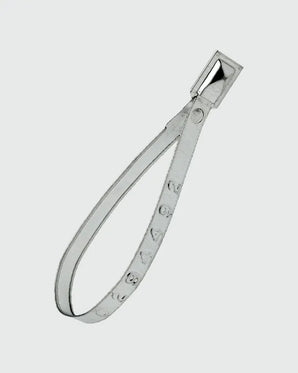
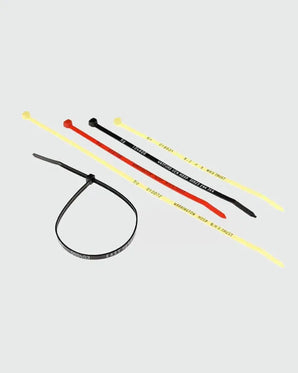
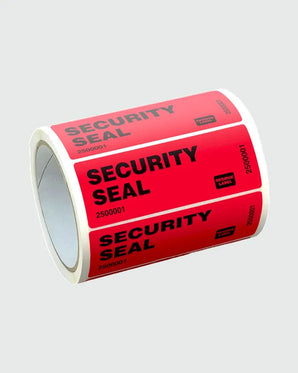
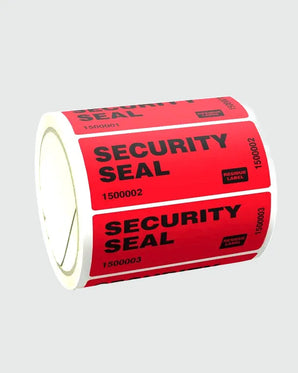
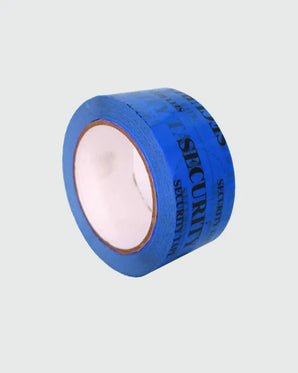
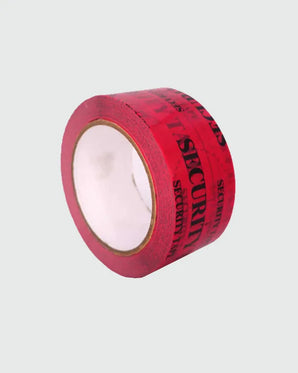
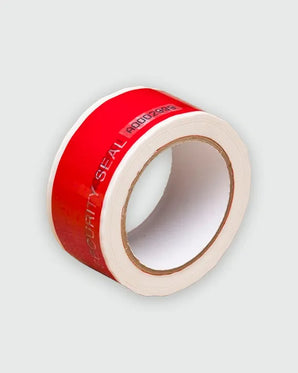
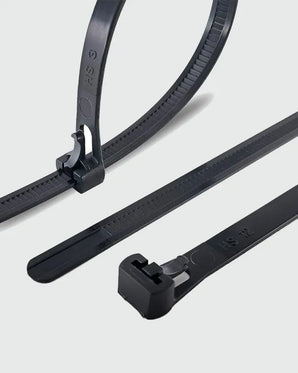
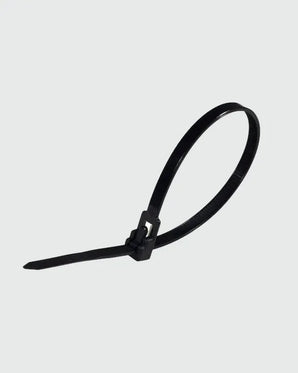
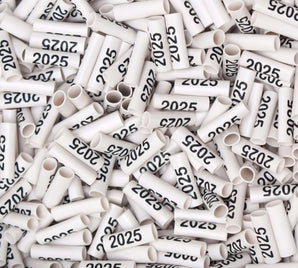
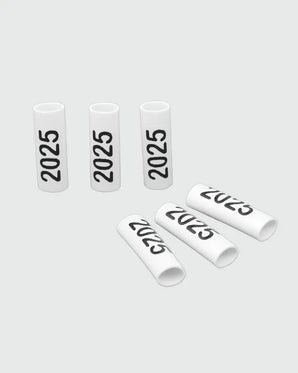
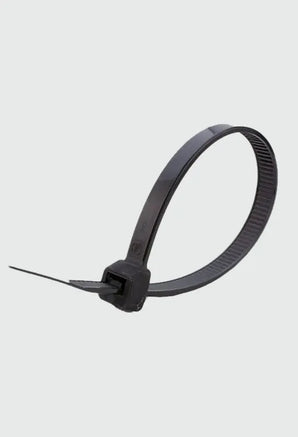

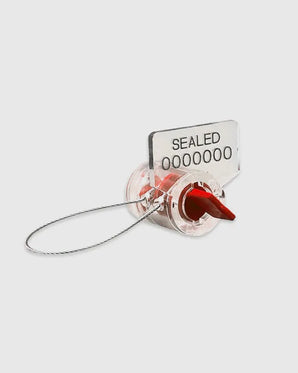
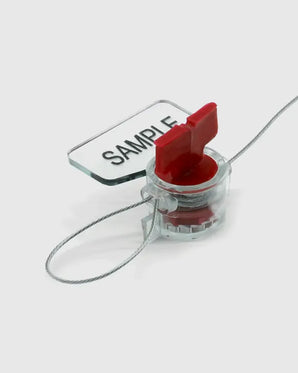
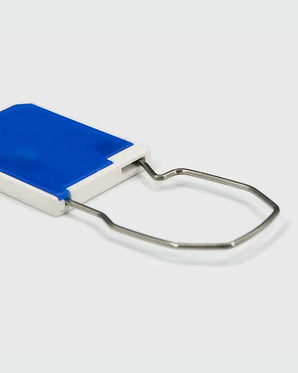


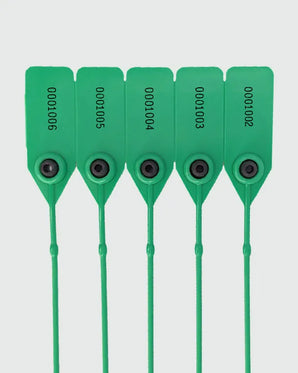
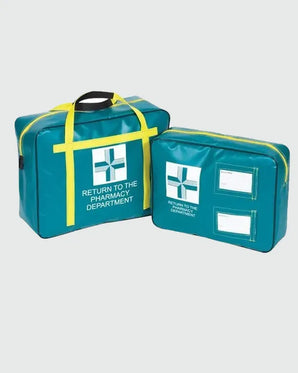
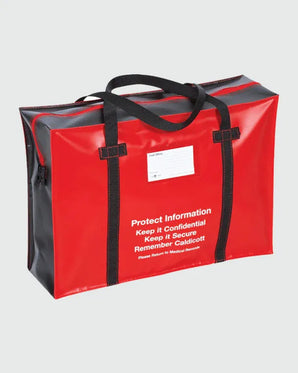
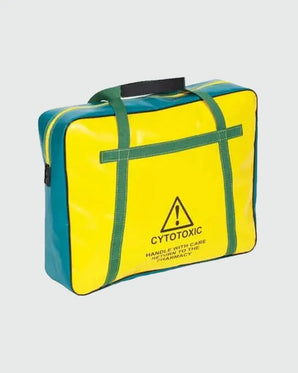

Facilities managers use tamper seals to keep routine checks under control. An intact seal lets an item stay in the normal inspection cycle. A broken or missing seal tells you where to stop and check.
That matters more on larger sites and across multi-site estates. You do not need to open everything during every walkround. You can keep moving and focus your time on the items that actually need a full check.
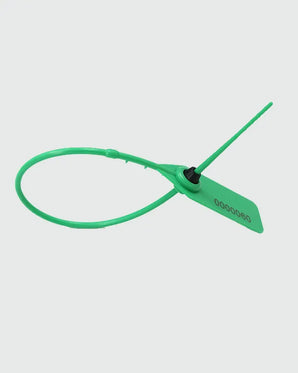
Someone has to break or remove a tamper seal before they can open the equipment it protects. Tamper seals do not stop access. They show that access has happened, which gives you a reason to inspect the item, update the record and decide what needs attention next.
At JW Products, we supply plastic tamper seals for routine checks across buildings, warehouses and other managed sites.
Why are low break strain seals used for fire extinguishers?
Facilities managers use fire extinguisher seals with a low break strain so the unit stays easy to use in an emergency. When someone pulls the safety pin, the seal should break cleanly and without delay.
This type of seal works well for extinguisher checks in offices, schools, warehouses and other managed buildings. You can see quickly whether the extinguisher appears to have stayed undisturbed since the last inspection, which makes monthly checks easier to manage.
Any change in the seal points to the same next step. The extinguisher needs checking.
When are padlock seals better than pull-tight seals?
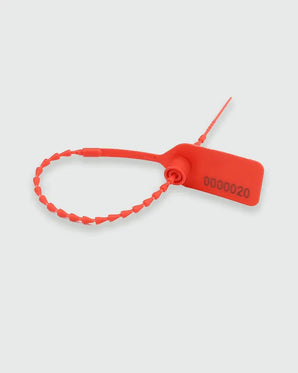
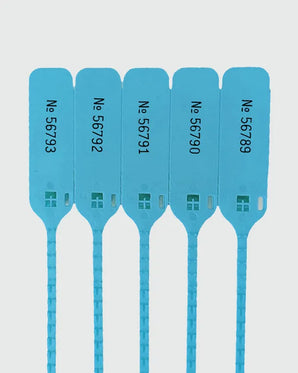
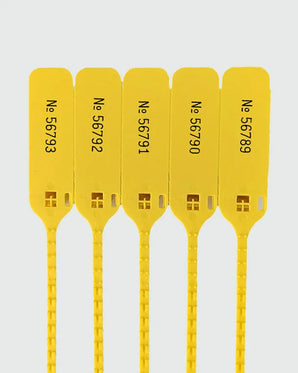
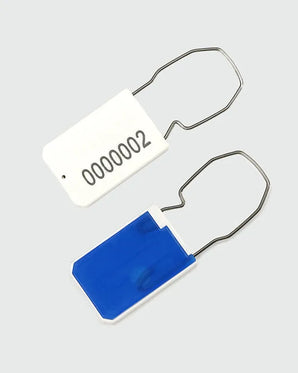
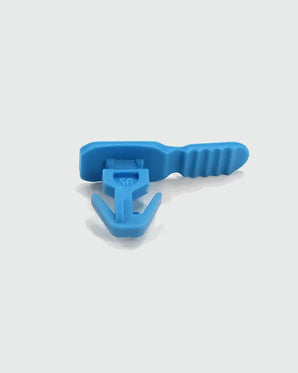
Choose padlock seals when the fixing point is small and a longer pull-tight strap does not fit as well. They are commonly used on first aid kits, key cabinets, smaller storage boxes and other compact closure points.
You need a seal that fits the closure point cleanly and is quick to review during a walkround. Once it breaks, the seal should show that clearly. That makes smaller kits and cabinets easier to keep within the same checking routine as larger items.
Using tamper seals in routine safety checks
On most sites, the routine is simple. After someone checks or restocks an item, they apply a new seal. At the next scheduled inspection, you review that seal before deciding whether the item needs opening.
That keeps the walkround moving. An intact seal suggests there has been no obvious access since the previous review. A broken or missing seal tells you to stop and investigate further.
That may mean opening a spill kit, checking a first aid cabinet, reviewing the extinguisher record or checking whether anything suggests a valve or cupboard has been used between checks.
What happens when a tamper seal is broken during a check?
A broken tamper seal shows that someone has opened or handled the item since the last recorded inspection. You should carry out a closer review before the item goes back into service.
What happens next depends on the equipment. You may need to open the cabinet, check the contents and review the inspection log before you fit a new seal.
The seal will not tell you why access took place. It tells you where to look next. That gives you a clearer follow-up record and helps stop unchecked equipment going back into use.
Numbered tamper seals and inspection records
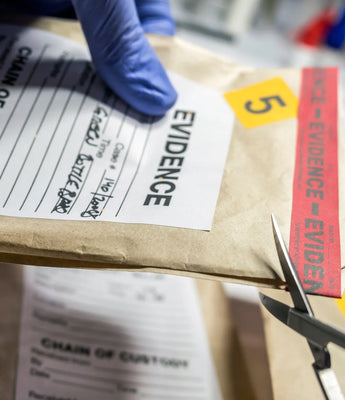
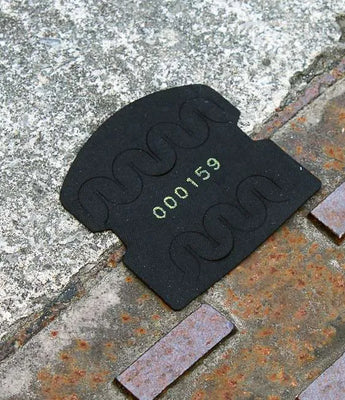
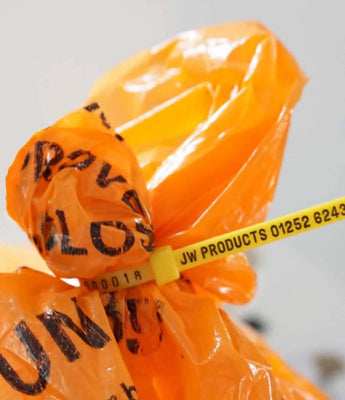
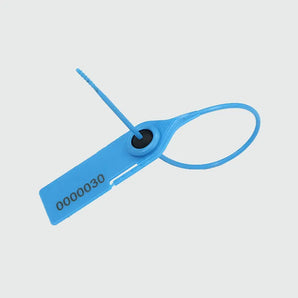
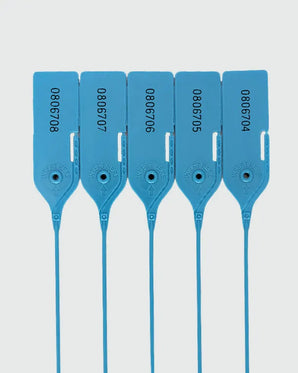
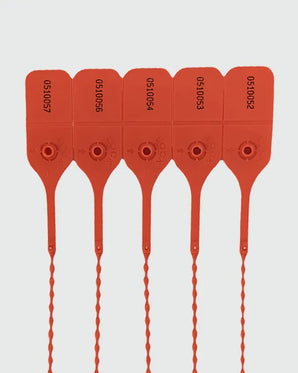
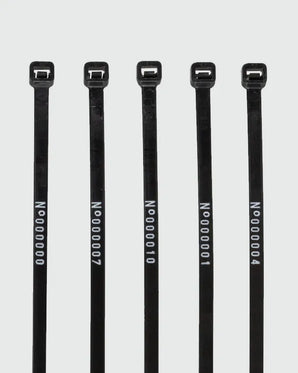
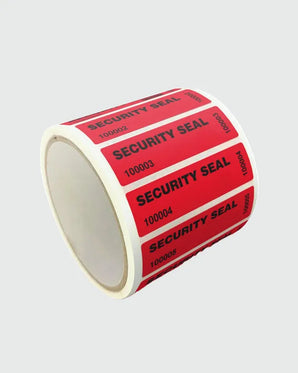
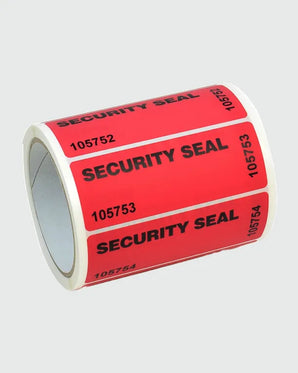
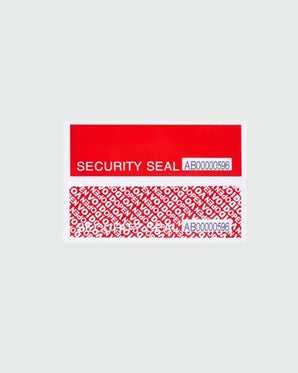
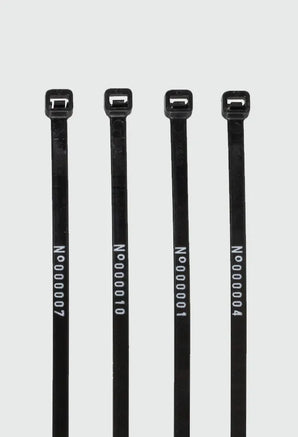
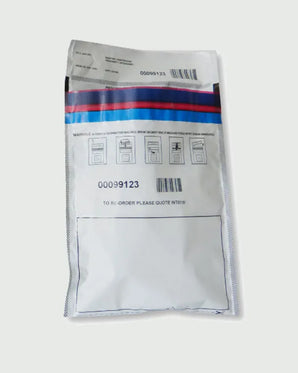
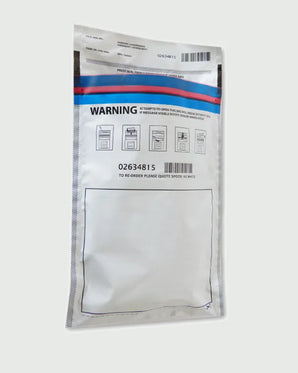
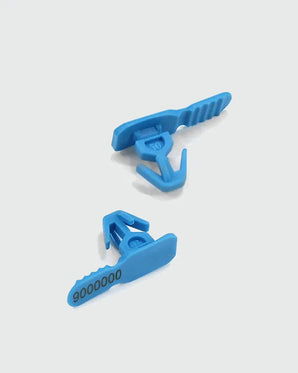
Numbered tamper seals make it easier to connect the item in front of you to the record in your log. Sequential numbers and printed references, including barcodes, help you match the physical seal to a specific cabinet, extinguisher, kit or inspection point.
Once you are checking larger numbers of items, numbering saves time and cuts down on record mistakes. On a smaller site, a stock numbered seal may be enough. On a larger estate, a printed reference or barcode can speed up checks and help you reduce confusion during audits.
Custom print also makes substitution harder to hide. Any replacement seal would need to match the number or reference you already recorded against that item.
How do you choose the right tamper seal for safety equipment?
Start with the equipment and the fixing point. Then look at the way you inspect it.
Some items need a lighter seal with a low break strain. Others need a stronger seal or one that stands out more clearly during a check. Outdoor spill kit cabinets may need a seal that can cope with weather exposure. An indoor first aid kit may only need a smaller option that fits neatly and shows clearly during a check.
Choosing the right type at the start helps you avoid seals that fit badly, fail too easily or slow the check down.
The way you record checks matters too. Some sites need numbered or custom printed tamper seals to support faster checks and clearer logging. Our customisation options make that easier where seals need printed references, numbering or barcodes. When fit is unclear, test a sample on the actual equipment and see how it works in practice.
Do tamper seals support health and safety compliance?
Tamper seals support compliance when you use them to record signs of access between checks. They give you something visible to inspect and log, but they do not replace servicing, stock checks, record keeping or statutory duties.
The business managing the site remains responsible for inspection and compliance. At JW Products, we supply tamper-evident products to customer specification. You still decide how equipment is checked and how often it is reviewed. You also decide what action to take when a seal is missing or broken.
What should facilities managers look for when ordering tamper seals?
Look first at fit and break strength for your site. Traceability matters too, particularly when you log seals against specific items. Also consider stock availability and custom print options. You should still be able to review the seal easily during a routine walkround.
Start with the actual equipment. A seal that does not fit the closure point or suit the inspection routine will cause problems later. It can slow checks, create avoidable rework and leave you reordering the wrong product.
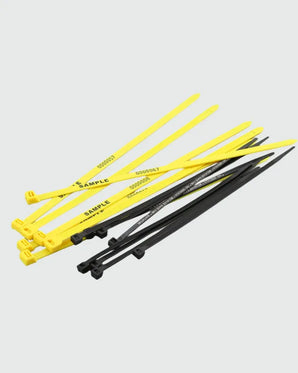
At JW Products, we supply stock numbered and custom printed tamper seals to specification. We can also provide a sample pack, so you can check fit and visibility on your own equipment before you place a larger order.