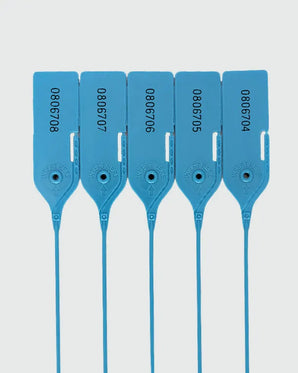
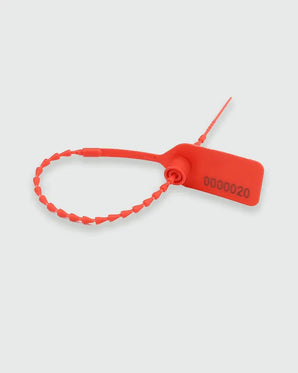
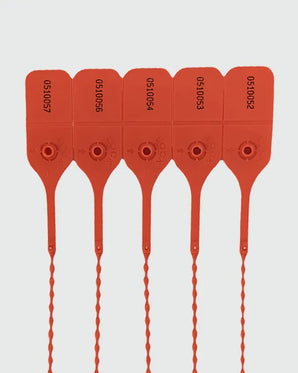
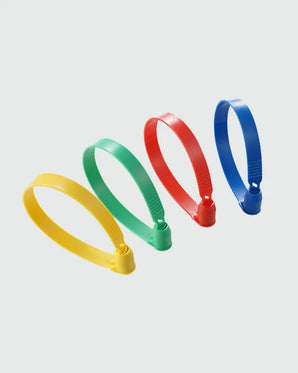
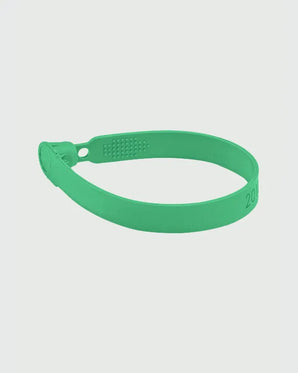
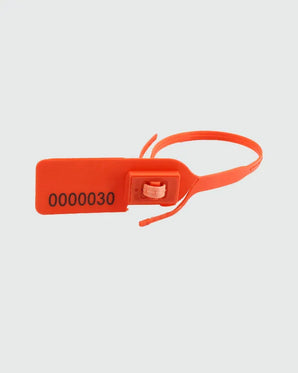
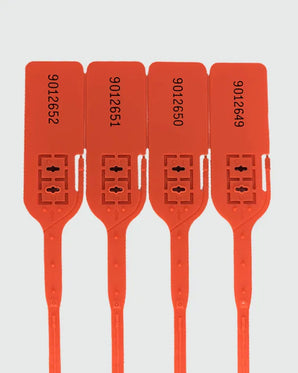
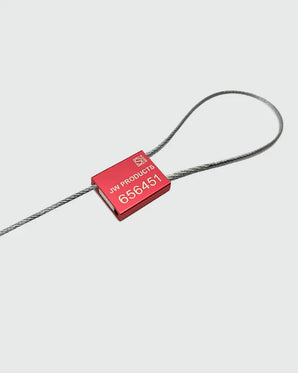
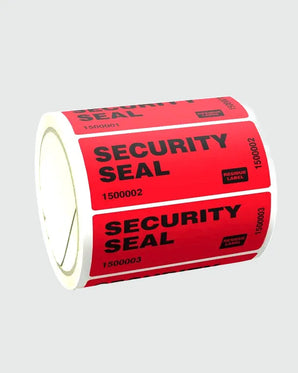
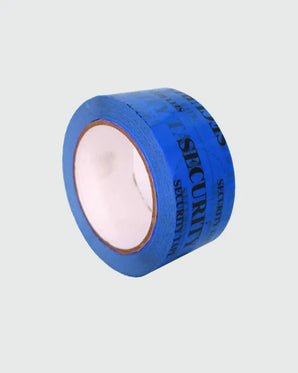
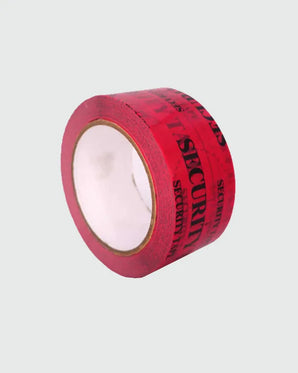
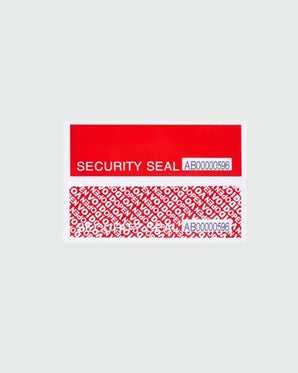
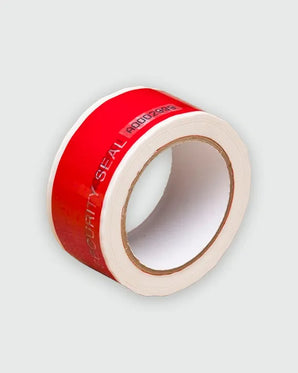




Warehouse and logistics managers often search for a tamper proof seal after a standard seal has failed or receiving has had to stop and recheck a unit. In most cases, the real issue is not absolute security. It is choosing a tamper-evident seal that fits the closure point, holds up under normal handling and leaves a usable audit trail at the next checkpoint.
That matters on routes with repeated movement, weather exposure and multiple handovers. A seal can look suitable on paper and still fail in use when the break strength, material or format does not match the job.
Why do buyers search for a tamper proof seal in industrial settings?
Buyers usually search for a tamper proof seal when they want tighter control at an access point and fewer questions at handover. In practice, the problem is often more specific. They need a seal that gives staff a clear reading at receiving, supports the record and does not create extra doubt during routine checks.
That pressure shows up in warehouses, logistics hubs and industrial facilities where staff check roll cages, storage units, trailer doors and controlled transfers. The search term sounds simple. The buying decision is not. The seal has to match the asset, the route and the way staff review it on arrival.
Why is seal specification more important than the phrase tamper proof?
“Tamper proof” is a search term. A tamper proof seal is not a buying specification. Buyers get closer to the right product when they define the closure point and the handling environment first, then the break strength and the level of numbering or print they need in the record.
That is where the buying decision becomes clearer. A buyer does not need a stronger phrase. A buyer needs a seal that fits the access point cleanly, survives ordinary movement and can still be reviewed quickly at inspection or handover. At JW Products, we focus on supplying the right mechanical fastener for the job, so the product choice starts from the operating conditions.
Need help matching the right seal to your closure point and handling conditions? Contact our team for specification support.
How does the wrong seal create false positives in industrial checks?
The wrong tamper proof seal choice can trigger an unnecessary check even when the asset itself remains untouched. A seal that is too light for the route or too weak for the closure point can break during routine handling.
The problem usually appears at receiving. The asset arrives intact, but the broken seal still forces staff to stop and review it. They may need to check the unit, review the log and decide what happens next. That wastes time and weakens trust in the audit trail. A seal needs to show access clearly, not fail during ordinary movement.
When do high-strength seals make more sense than standard pull-tight seals?
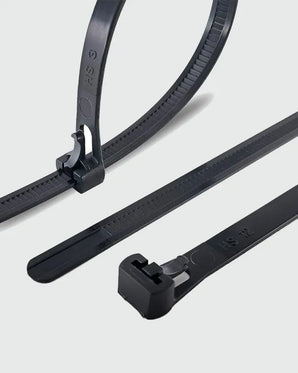
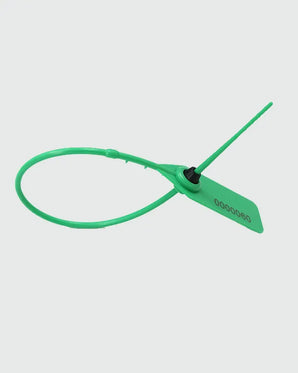
High-strength seals make more sense when routine handling is likely to break a standard pull-tight seal before the asset reaches its next check point. Buyers often run into that problem on higher-risk containment units, rougher routes and environments where repeated movement puts more strain on the seal than a general storage application would.
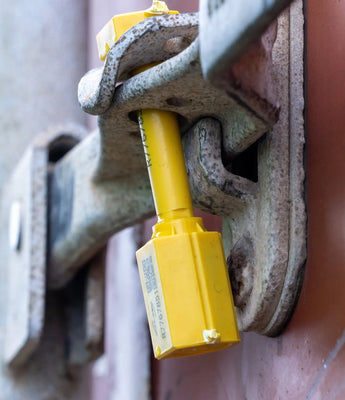
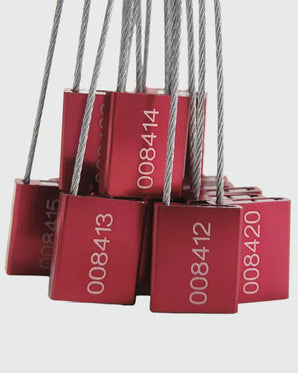
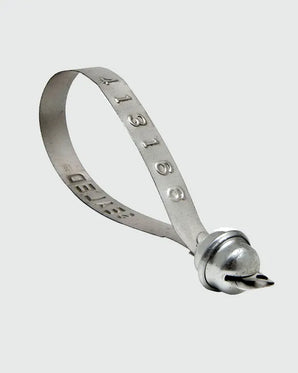
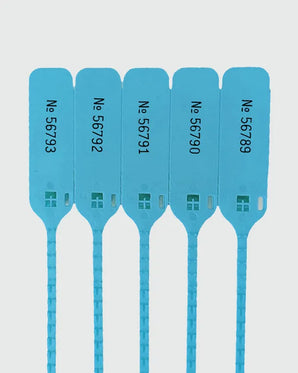
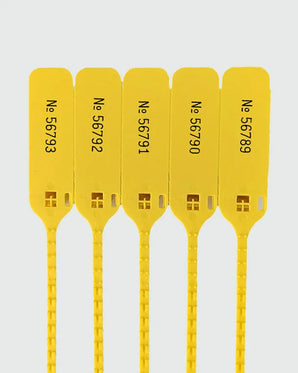
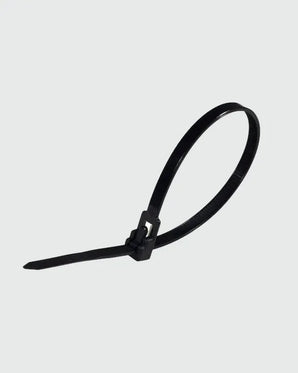
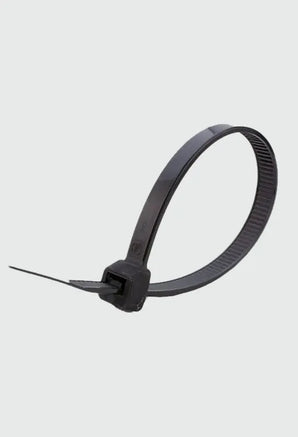
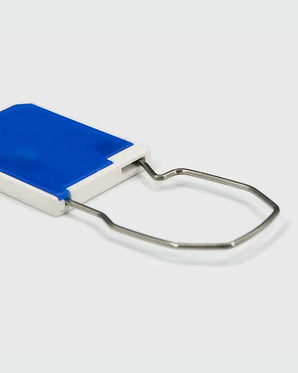
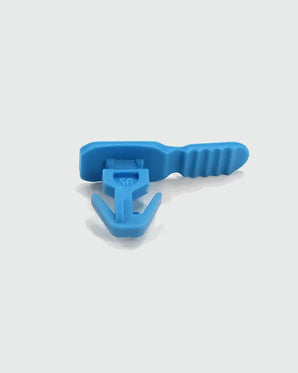
The issue is not appearance. It is dependability. Once a standard seal starts breaking too early, staff stop trusting the reading and the audit trail loses value. Our Multi Purpose Security Seals, High Strength give buyers a more robust option where standard pull-tight products do not hold up well enough in use.
Seal types for trailer doors, roll cages and static storage units
Trailer doors, roll cages and static storage units do not need the same seal format. Each access point creates a different mix of movement, exposure and checking method.
- Trailer doors: Seals that can cope with route changes, weather exposure and repeated handovers
- Roll cages: Pull-tight indicators that support routine checks and receiving controls
- Static storage units: Seals chosen around closure fit, access frequency and inspection routine
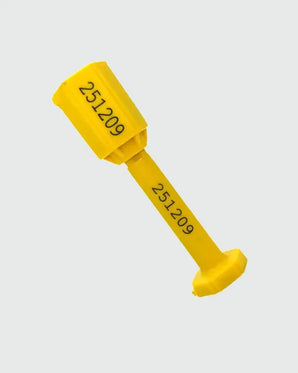
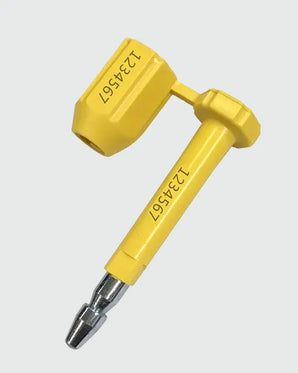
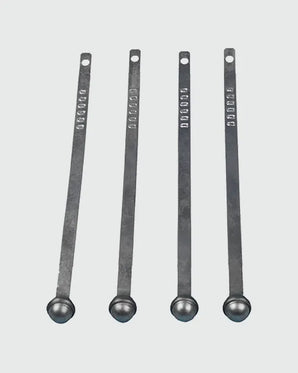
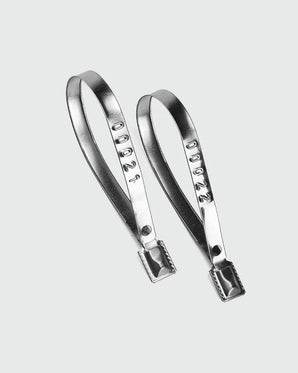
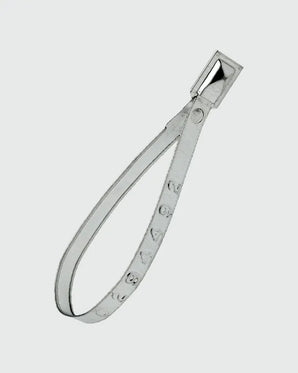
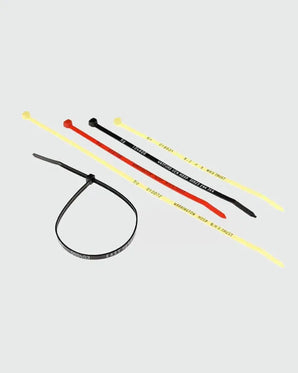
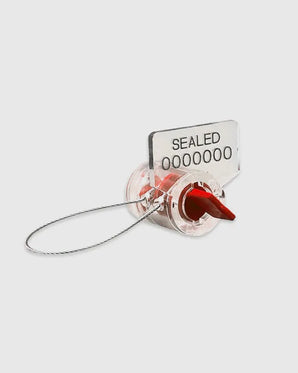
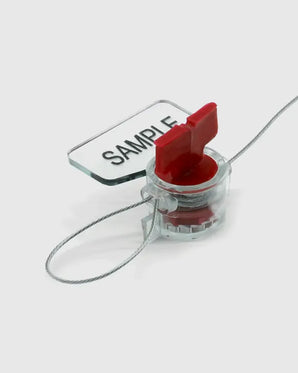
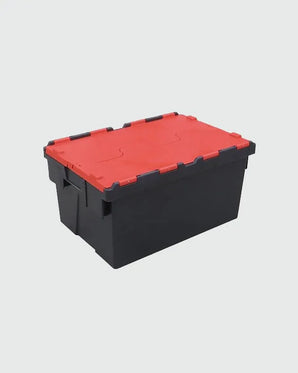
Plastic Truck Seals work well where trailer and vehicle doors need a clear visual checkpoint across extended routes and depot handovers. Multi Purpose Security Seals can suit boxes, storage units and roll cages where buyers need a dependable pull-tight indicator for general asset control. The right choice comes from the access point, the handling conditions and the way staff review the seal on arrival.
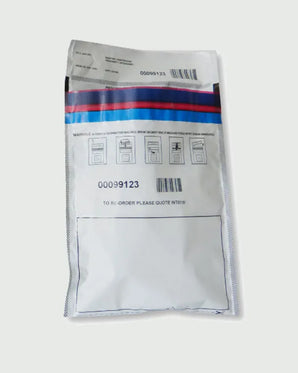
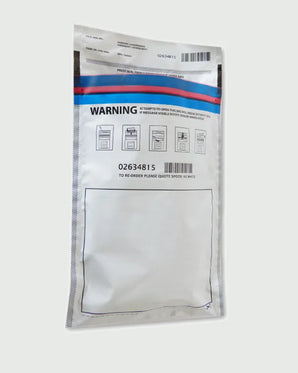
Why do small high-risk items often need tamper-evident bags instead of standard seals?
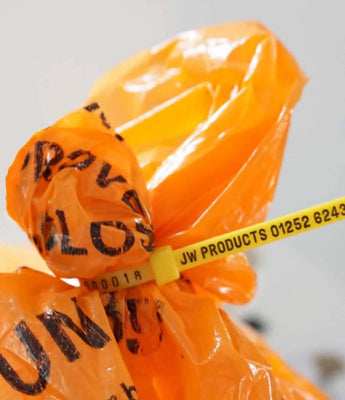
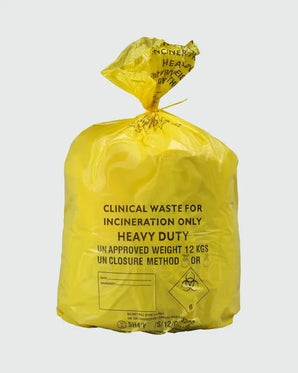
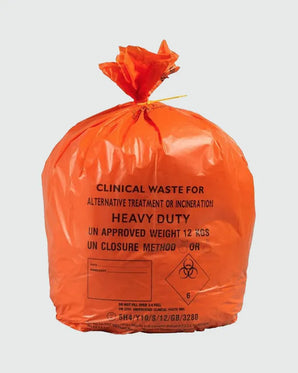
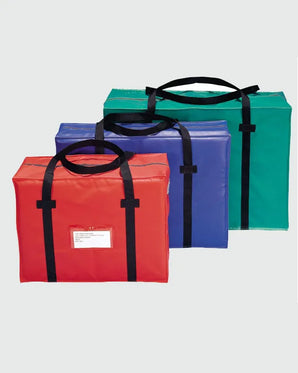
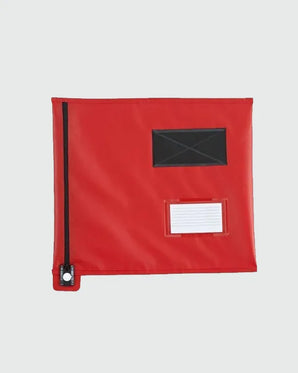
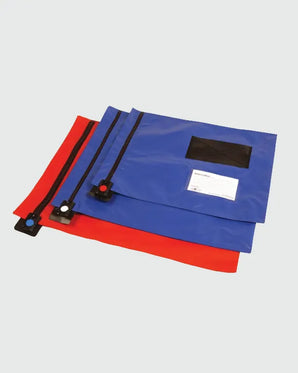
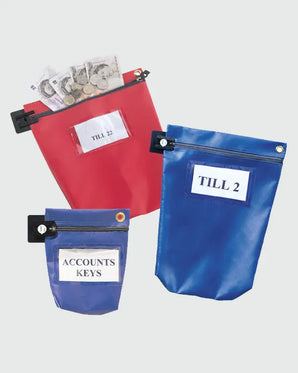
Some high-risk items need the bag itself to show access, not a separate seal attached to the outside. That issue comes up with documents, cash handling and smaller sensitive items where the transfer method has to carry the evidence boundary from one point to the next.
In those cases, a rigid container plus a standard seal may not give the cleanest result. A tamper-evident bag creates the visible transfer boundary in one format and gives staff a clearer reading at handover. That often makes the transfer easier to review and the record easier to defend later.
Numbering and print options that protect the audit trail
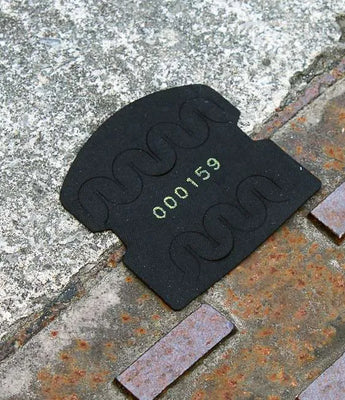
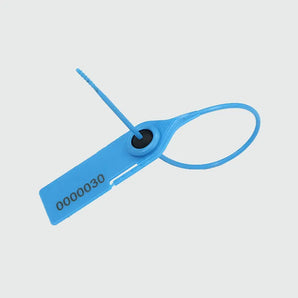
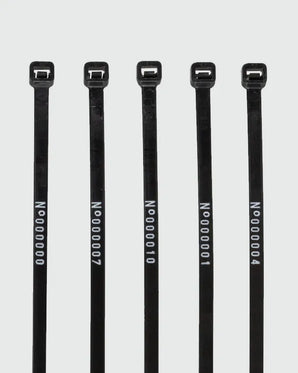
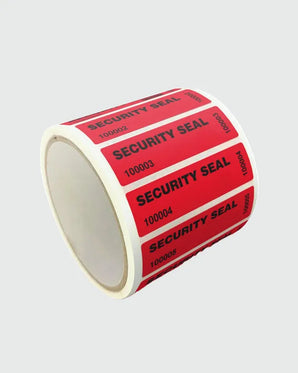
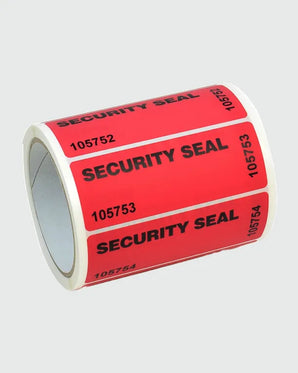
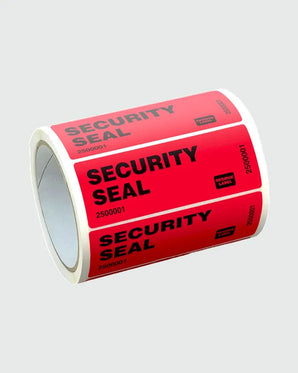
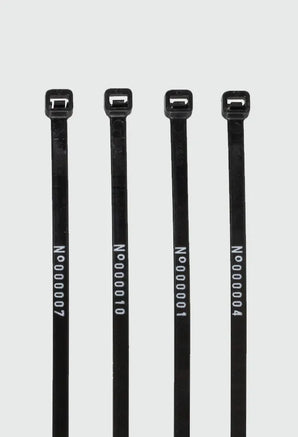
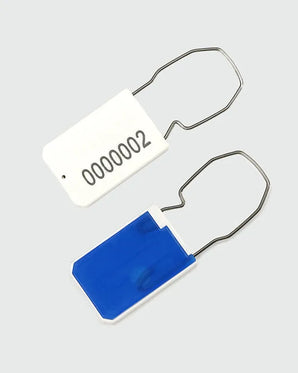
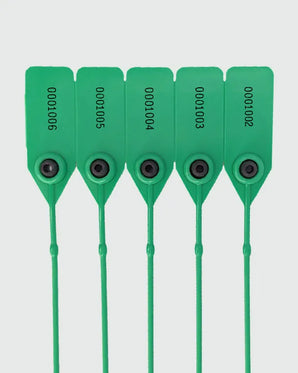
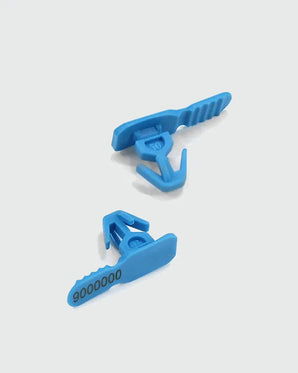
Numbering protects the audit trail by linking the seal directly to the record. Once staff can match the seal on the asset to the number in the log, follow-up becomes quicker and more reliable when something does not match.
This matters more when asset numbers increase or handovers involve more than one location. On smaller operations, a stock numbered seal may be enough. On larger or more controlled operations, printed references and barcodes can reduce confusion, help staff spot mismatches faster and make substitution harder to hide. That keeps the seal tied to the record instead of treating it like a generic stock item.
What should buyers define before requesting a quote?
Buyers get better seal recommendations when they define the asset, the closure point and the checking process before they request a quote. That gives the supplier a clear basis for specification and helps the buyer avoid ordering a seal that looks right in principle but fails in use.
- Closure point: What the seal needs to pass through or lock around
- Handling environment: Storage, transport, weather exposure or repeated movement
- Break strength: How much stress the seal needs to tolerate during routine use
- Traceability: Plain, stock numbered or custom printed
- Checkpoint: Where staff will review it, such as inspection, handover, receiving or all three
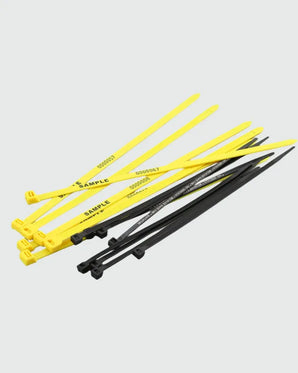
At JW Products, we can support that process with specification guidance, stock numbered and custom printed options, customisation, and sample products where fit needs checking first. That makes it easier to test the product against the real asset before you commit to a larger order.
How does the right seal choice reduce delay, rework and unnecessary checks?
The right tamper proof seal choice reduces wasted checks by making the audit trail easier to trust. When the seal fits the access point properly and performs consistently during normal movement, staff can review assets faster and act with more confidence when something does not match the expected record.
That helps reduce avoidable delay and cut down on unnecessary rework across logistics operations. It also makes procurement decisions easier to justify, since the product is matched to the route, the asset and the checking method from the start. Request a Quote if you need help matching the right tamper-evident seal to your asset, route or transfer method.