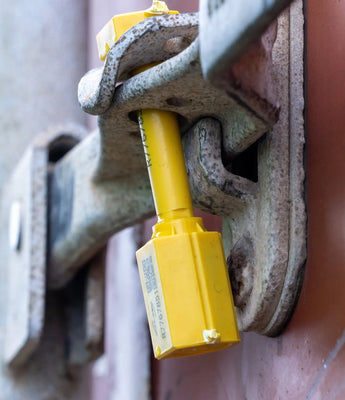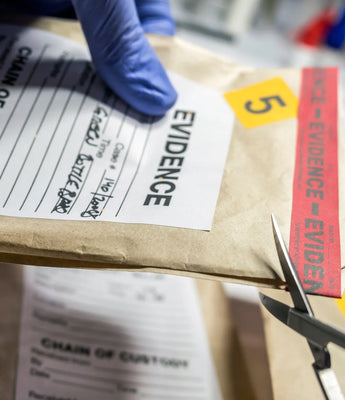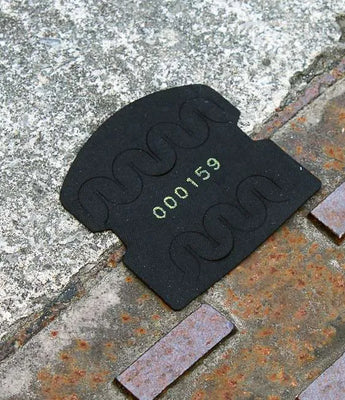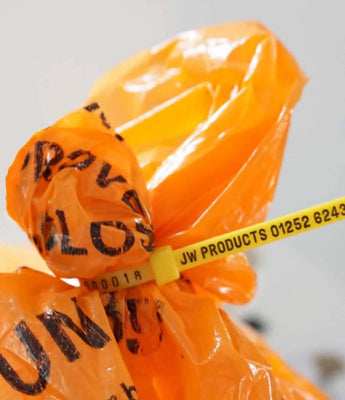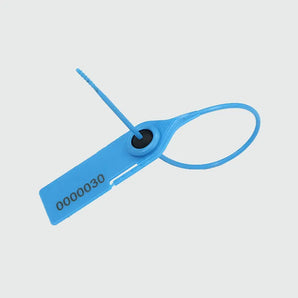
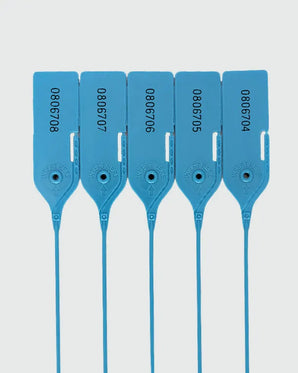
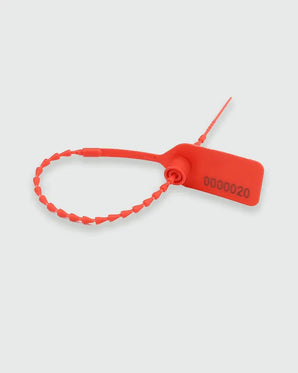
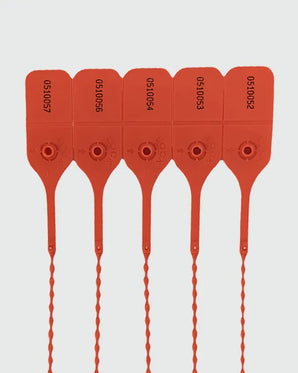
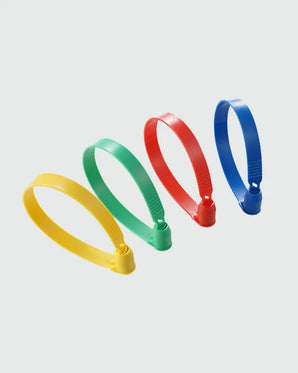
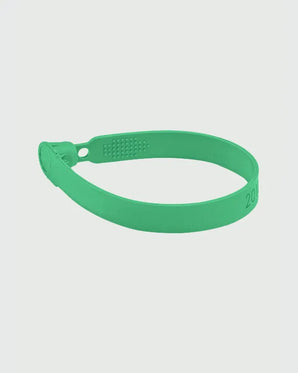
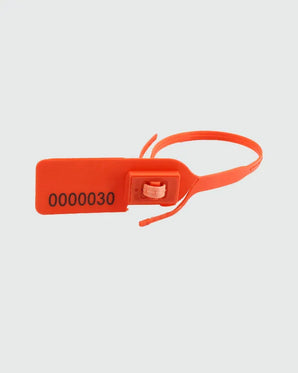
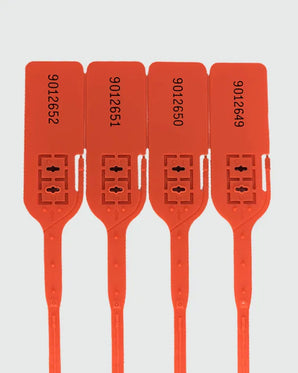
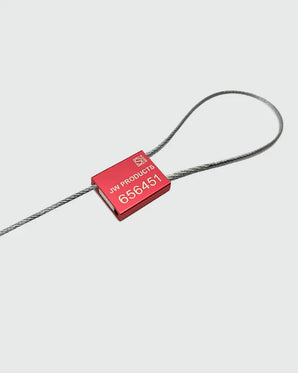
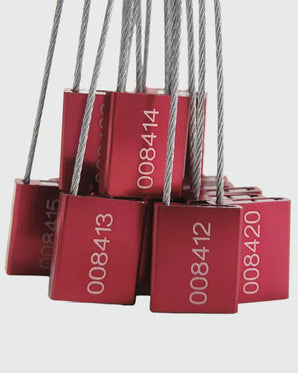
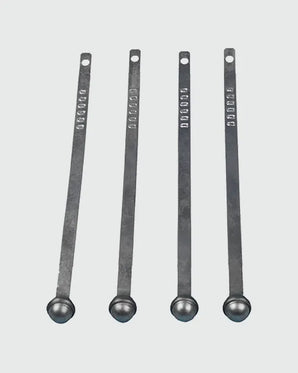
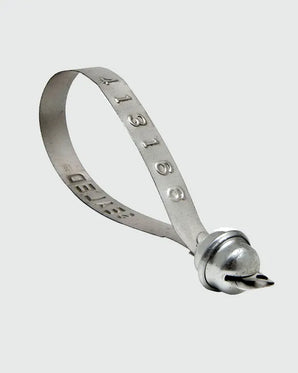
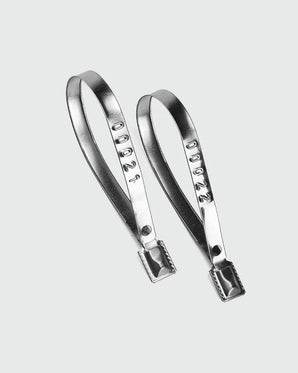
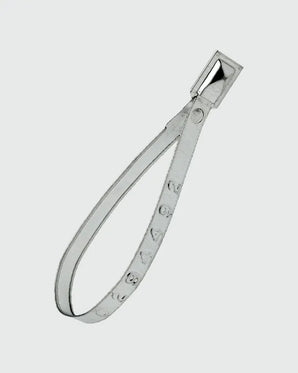
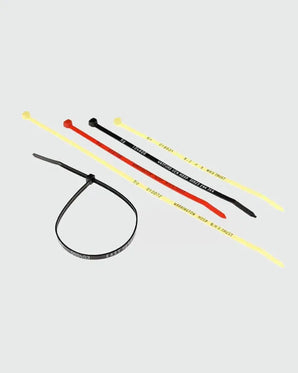
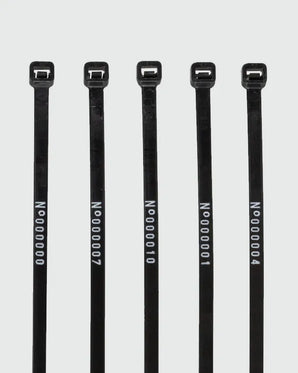
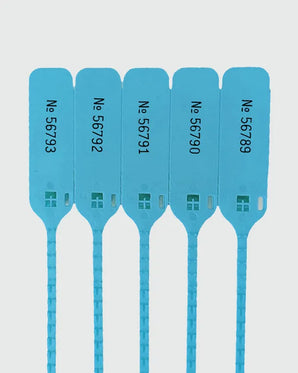
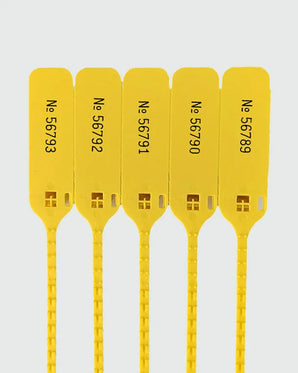
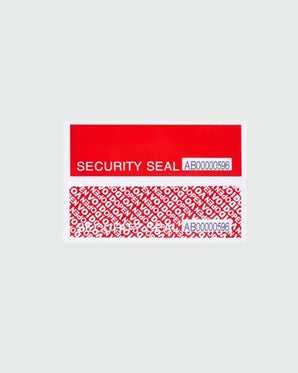
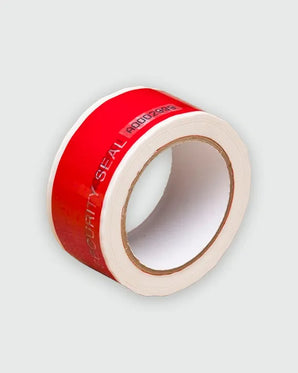
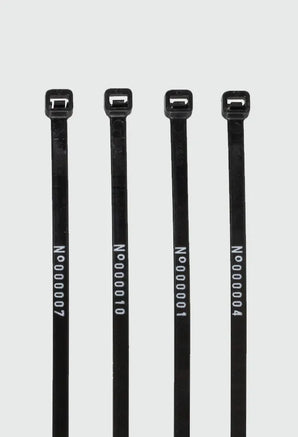
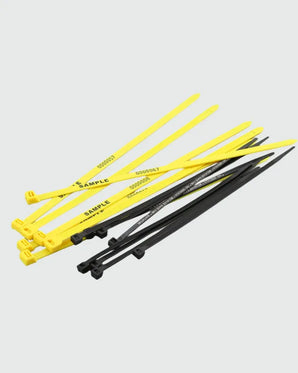
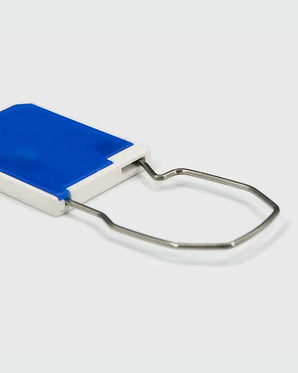
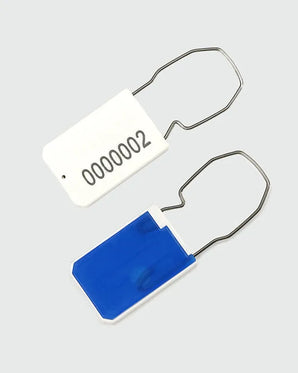


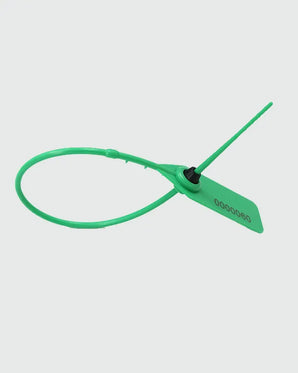
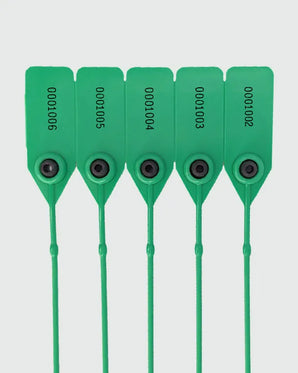
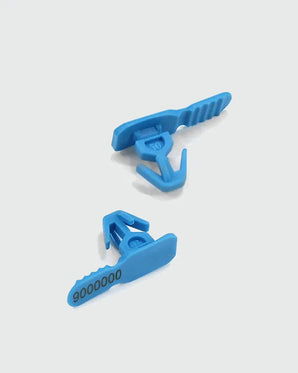

Cable seals act as the definitive physical link in a professional chain of custody. Logistics managers use JW Products galvanised steel seals to secure trailers and containers, creating a permanent record of cargo integrity at every handover point. This traceability stops "unknown" losses and provides the evidence insurance adjusters demand during a claim. These high-security cable seals shift a transport operation from speculative security to an audit-ready supply chain.
Real-world transport involves constant risk. A compromised seal indicates a breach, suggesting cargo contamination or internal pilferage.
How do cable seals prevent tampering during transit?
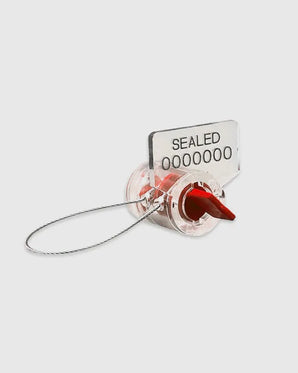
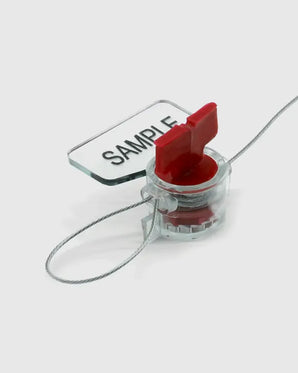
Standard padlocks often fail against shimming or picking tools. One-way tamper evident cable seals prioritise forensic evidence of entry over simple locking. The internal mechanism typically a steel ball-bearing or spring-loaded cam permits the cable to move in one direction only. Any attempt to retract the wire causes permanent, visible damage to the housing.
Authentic security depends on non-preformed cable. This specific steel wire unravels when cut. That physical reaction prevents intruders from gluing the wire back into the body to hide a breach. JW Products supplies non-preformed seals specifically to counter these sophisticated tampering methods. For a business, this removes the risk of "masked" break-ins where theft goes unnoticed until the cargo reaches its final destination.
What is the role of cable seals in the chain of custody?
A robust chain of custody links a specific vehicle to a unique identifier. At every handover, the seal number serves as the primary data point for the transfer of liability.
Warehouse teams should log cable seal numbering and tracking directly into a Management System (WMS) or the Bill of Lading (BOL). Distribution centres must refuse any load where the physical seal fails to match the manifest. In pharmaceuticals or food logistics, a broken seal frequently triggers a "total loss" claim. This protocol effectively shifts the financial burden of a security breach back to the carrier rather than the cargo owner.
Cable seals vs bolt seals: Which provides better security?
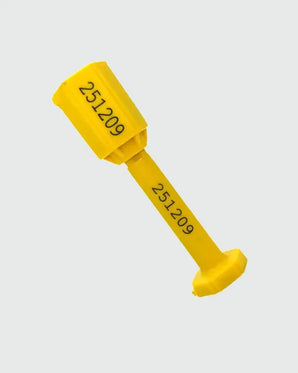
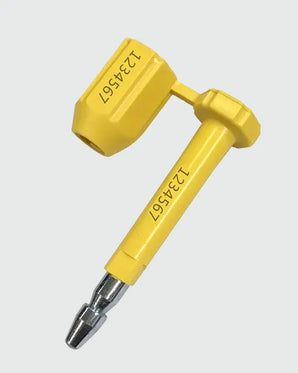
Hardware selection depends on the physical fit of the door hasp. Bolt seals provide the industry standard for ocean-bound ISO containers, but flexible cable seals offer necessary versatility for road transport.
Misaligned locking bars on older trailers often block a rigid bolt. Adjustable cable seals solve this problem by looping through multiple points of a locking mechanism to pull doors tight. For freight security in the UK, a 1.5mm to 2.5mm cable handles the varied locking configurations of curtain-side trailers with higher efficiency. This flexibility reduces loading bay delays and ensures drivers don't depart with insecure loads due to poorly fitting hardware.
How are cable seals used at logistics handover points?
Cargo vulnerability increases during idle periods in ports or unmonitored layovers. Cable seals in logistics and transport serve as an audit tool at several critical stages:
- Origin Loading: The warehouse team applies the seal and logs the serial number immediately to establish the baseline for the journey.
- Intermodal Transfers: Port authorities verify the seal's integrity during the gate-in process to confirm the haulier's compliance.
- Cross-Docking: In LTL (Less Than Truckload) shipping, seals protect individual pallets as goods move through reorganisation.
- Final Delivery: The customer cuts the seal only after confirming the number matches the manifest, ensuring the final handover is clean.
Why is ISO 17712 compliance important for international shipping?
Cable thickness dictates the tools required for removal. Diameters range from 1.5mm for light duties to 5mm for heavy-duty requirements. International shipments destined for the US under C-TPAT (Customs-Trade Partnership Against Terrorism) require ISO 17712:2013 compliant seals.
Galvanised steel cores resist cutting with standard pliers and withstand road salt or extreme temperature shifts. Impact-resistant ABS plastic or aluminium usually encases the locking body to protect the internal cam from shimming. These heavy-duty cable seals provide the physical resistance necessary to deter opportunistic theft during driver rest breaks, significantly lowering the risk of roadside pilferage.
The Logistics Checklist: 4 Steps for Applying Cable Seals
Correct application maintains a secure supply chain. Ensure warehouse and driving teams follow these operational steps:
- The "Tug Test": Pull back hard after inserting the cable to confirm the internal petals gripped the wire.
- Minimise the Loop: Pull the cable tight. Loose loops provide space for tools and create unnecessary snagging hazards.
- Check for "Spinning": Verify the cable cannot spin within the body. Free movement indicates a defect that could be exploited.
- Disposal Protocol: Dispose of the body and the cable fragment after cutting. This prevents repurposed seals from masking a future breach.
Global supply chains require proactive risk management. A logistics manager using a JW Products cable seal establishes a professional audit trail. We also offer custom laser marking for serial numbers and company logos to prevent seal substitution. This stance ensures a secure and defensible transport network.
For technical specifications on tensile strength or to discuss custom numbering and ISO compliance, contact the JW Products team to review your requirements.