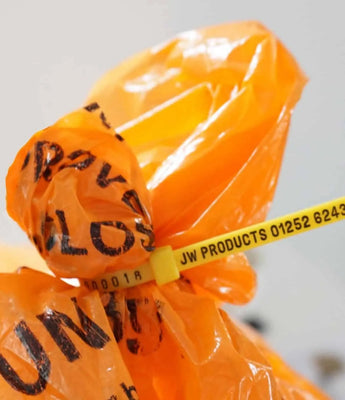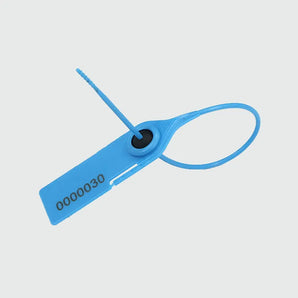
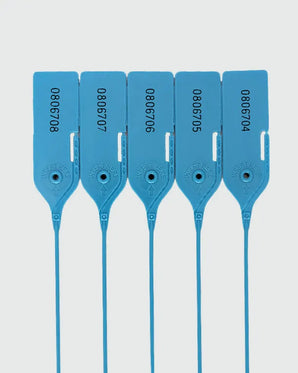
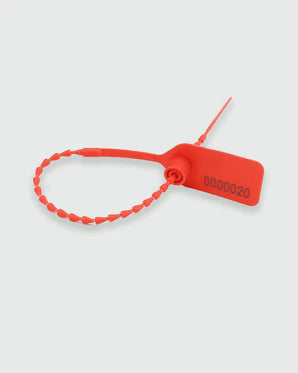
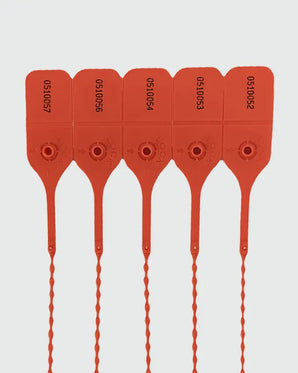
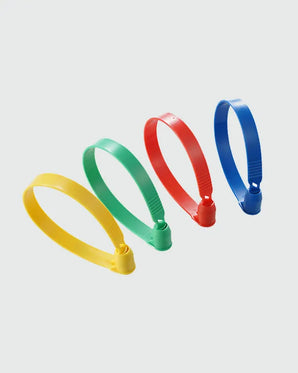
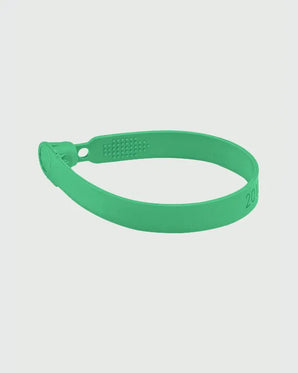
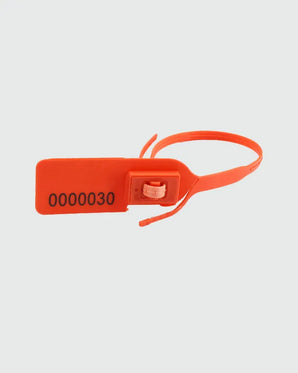
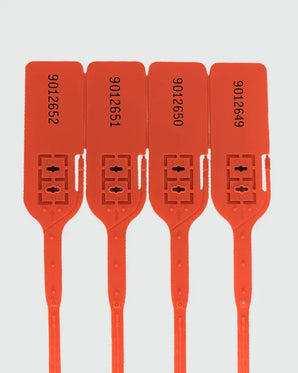
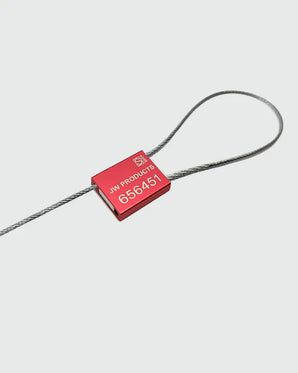
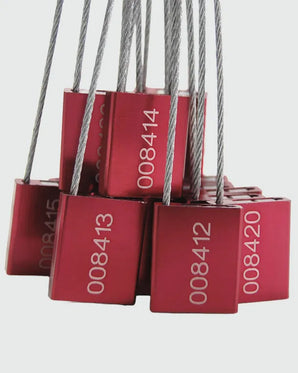
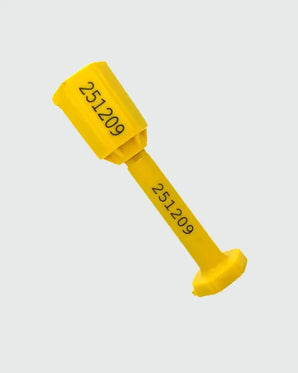
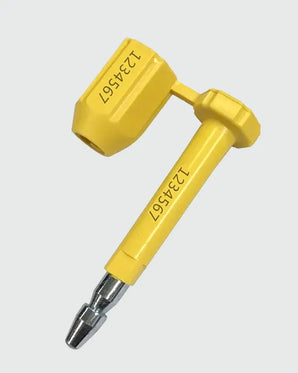
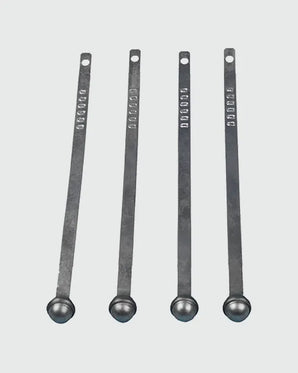
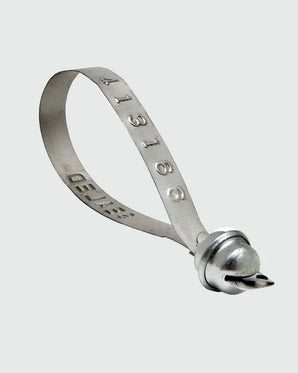
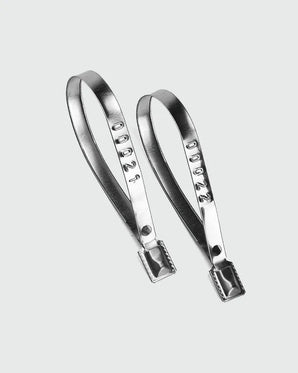
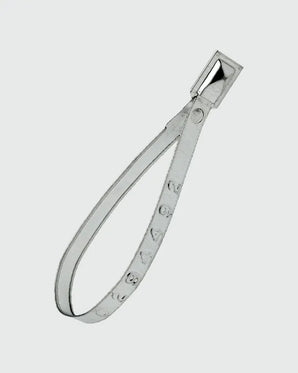
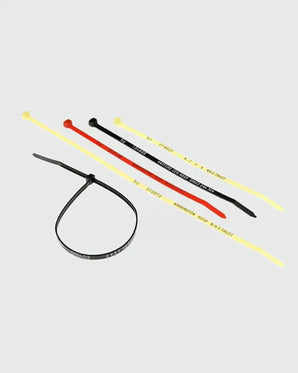
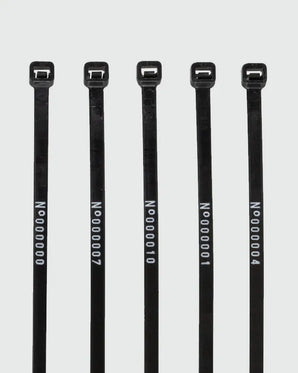
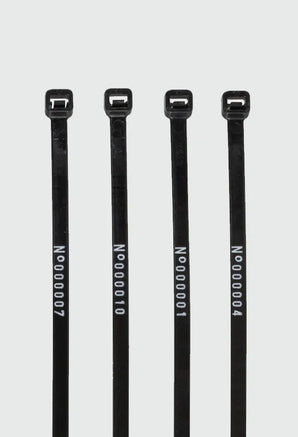
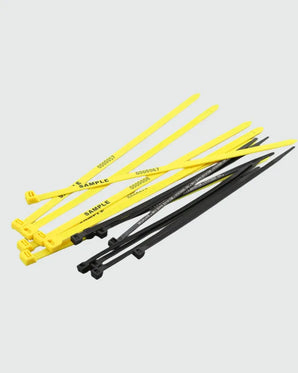
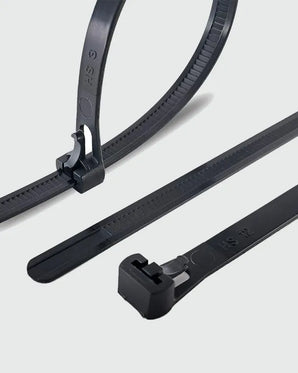
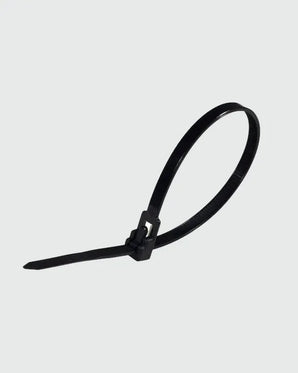
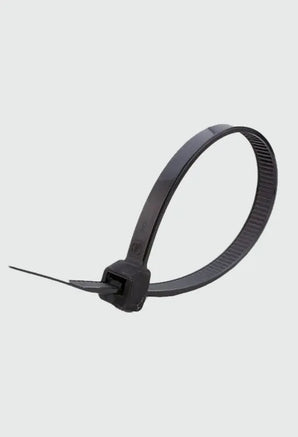

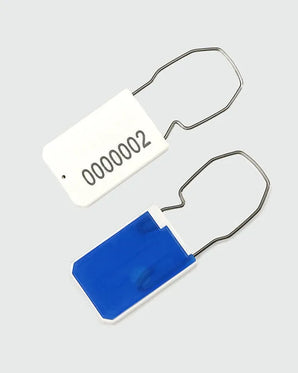


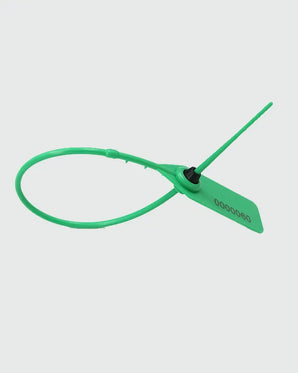
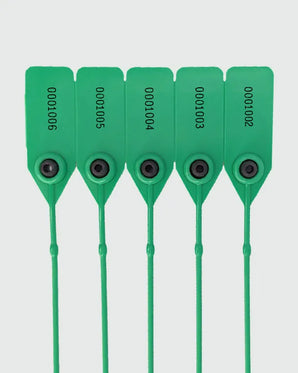
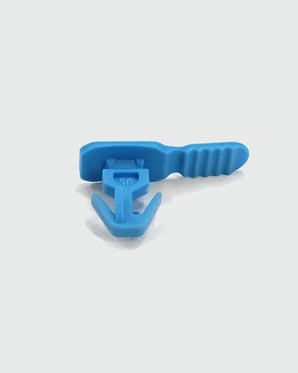
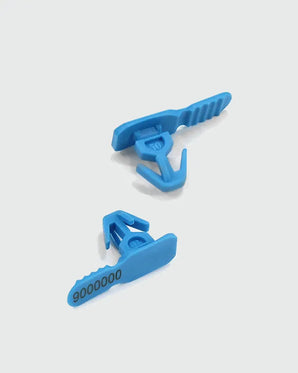

Custom printed cable ties can carry numbers, text and other identification information, but the amount you can add depends on the available print area and the type of marking required.
For JW Products' printed cable ties, chosen text, company names and/or sequential numbering can be hot-foil printed. The exact amount and layout of information available should be confirmed against the print specification for the selected cable tie.
The available print specification gives buyers a useful starting point when preparing a custom-print requirement. Buyers also need to consider what information needs to remain visible after the cable tie has been fitted and how the marking will be used within their own identification process.
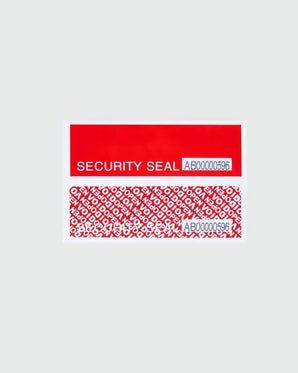
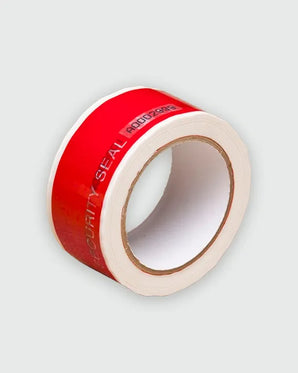
Cable ties are mechanical fasteners used for bundling, organisation or containment. Unless a particular product has been specifically designed as tamper-evident, printed cable ties should not be treated as security seals. Custom printing adds identification information to the tie rather than changing its fundamental function.
How Much Can You Print on a Cable Tie?
The available print area depends on the specification for the selected cable tie and should be confirmed when preparing the order.
Depending on the agreed specification, the printed information can include:
- Sequential numbering
- Chosen text or company name
The available print capacity should not automatically be treated as a target. Using more information than necessary may not be appropriate when the main requirement is a short identifier that somebody needs to recognise easily.
A buyer requiring an asset reference such as "FM-1042", for example, may need less printed information than somebody specifying a longer text description.
The appropriate amount of information therefore depends on the customer's identification requirements and the specification available for the particular cable tie.
What Information Can Be Printed on a Cable Tie?
Custom printing can provide an identifier directly on the cable tie rather than requiring the user to rely solely on colour or appearance.
Depending on the agreed product specification, printed information may include sequential numbers, reference numbers, short text or customer-specific identifiers.
The information should have a defined purpose. A facilities team may want a short asset reference. A warehouse may require an internal location or stock code. Another organisation may use a numbering format that corresponds with information held in its own system.
The cable tie does not need to carry every piece of information associated with the item. JW Products supplies the cable ties to the agreed print specification. The customer determines what information its own process requires and how printed identifiers correspond with its records.
Should You Use Numbers or Text?
A number can provide a straightforward individual or group reference. Sequential numbering may suit applications where customers want cable ties to carry identifiers in an ordered series.
Text allows other information to appear directly on the tie. This might include a short department name, location reference or another identifier specified by the customer.
Some buyers may need a combination of letters and numbers rather than purely numeric information. A code such as "FM-1042", for example, can associate a numerical reference with an internal prefix.
Before placing an order, buyers should decide what the printed information needs to identify. This helps establish whether a short numeric reference, text or another agreed format suits the requirement.
Is It Better to Use All of the Available Print Area?
Not necessarily.
Print capacity tells you how much information the selected specification can accommodate. It does not mean every custom printed cable tie should contain the maximum amount of information available.
A shorter identifier may be more appropriate where users need to locate and read the relevant information quickly. Longer text may be suitable where the customer needs more descriptive information to appear on the product.
The fitted position of the cable tie also matters from a practical perspective. Once installed, part of the tie may sit around an item or bundle, so customers should consider where the printed information needs to appear for their intended use.
The objective should be to specify the information the application requires rather than filling the available area simply because additional characters are available.
Can You Add Sequential Numbers to Custom Printed Cable Ties?
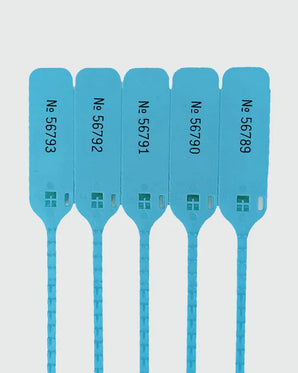
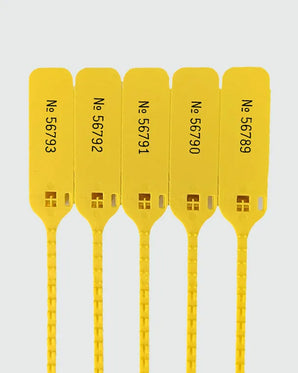
Where the product specification allows it, sequential numbering can provide individual identifiers across a run of printed cable ties.
Sequential numbering can be useful where the customer wants each cable tie to correspond with an individual reference in its own records. However, the number itself does not create traceability. The customer establishes traceability by recording the identifier and using it within its own system or process.
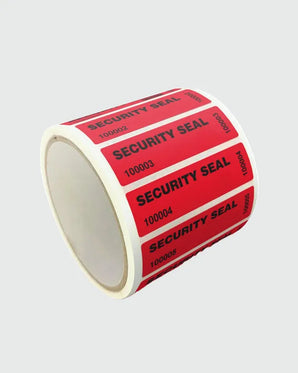
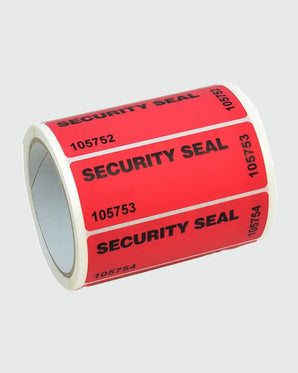
This distinction is particularly important with cable ties. A standard printed cable tie remains a mechanical fastener. Adding an individual number does not make it a security seal or give it tamper-evident characteristics unless the specific product has been designed for that purpose.
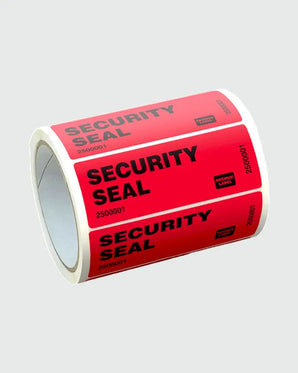
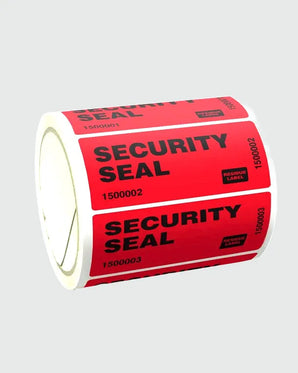
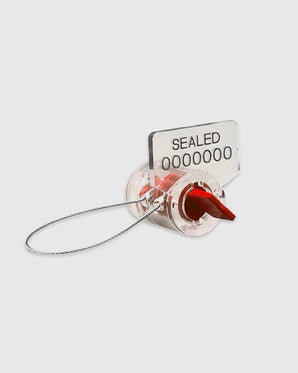
Customers who specifically require visible evidence of interference should establish whether a tamper-evident security seal, rather than a standard cable tie, is the appropriate product category for their requirements.
What Makes a Good Printed Reference Code?
Short prefixes can help distinguish different groups within an organisation's own identification system. For example, a customer might use different letters to represent departments, locations or asset categories.
Consistency can also make identifiers easier to manage within an existing system. If an organisation already uses a particular asset or stock reference format, reproducing an appropriate part of that reference on the cable tie may avoid introducing a second naming convention.
Buyers should therefore check their existing identification requirements before preparing the print specification.
This can answer practical questions such as:
- Does each cable tie require an individual number?
- Is a short text identifier sufficient?
- Does an existing reference format need to be reproduced?
- Is the required information within the available print specification?
- Does the marking need to correspond with another customer-held record?
How Should You Prepare a Custom Printing Specification?
Start by identifying the cable tie required and the quantity. Then provide the information that needs to appear within the available print specification.
For sequential numbering, provide the numbering requirement so JW Products can confirm the available print specification. If the marking includes text, provide the exact wording rather than an approximate description.
Where a customer requires additional text or another identifier, include that requirement in the initial enquiry so JW Products can confirm whether it can be accommodated. The specification should also identify any requirements that need clarification before the order proceeds.
Can Printed Cable Ties Be Used for Asset Identification?
Printed cable ties can provide a physical identifier where their mechanical fastening characteristics and print specification suit the customer's application.
This does not turn the cable tie into an asset-management system. The organisation remains responsible for maintaining its records and deciding how identifiers are assigned.
Customers should also consider the physical requirements of the application when selecting a cable tie. Printing is only one part of the product specification. Dimensions, material and other relevant characteristics still need to suit the intended use.
Are Printed Cable Ties the Same as Security Seals?
No. The terms should not be used interchangeably.
A standard cable tie is a mechanical fastener used for applications such as bundling, organisation or containment. Printing can add identification information, but it does not automatically make the product tamper-evident.
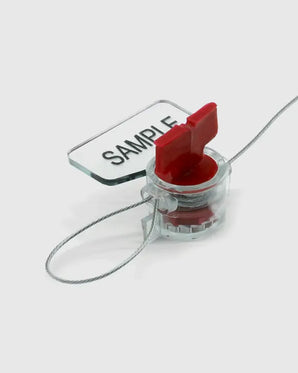
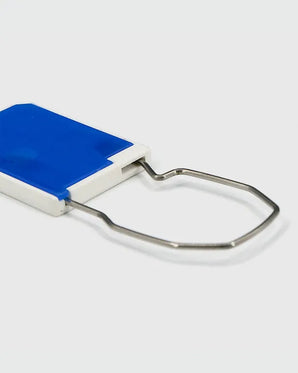
A tamper-evident security seal has been designed to provide visible evidence of interference. Its product function therefore differs from that of a standard cable tie.
This distinction matters when specifying a product.
If the requirement is simply to fasten an item while displaying a reference, a printed cable tie may fit the customer's specification. If the application specifically requires a tamper-evident product, the customer should consider an appropriate security seal specification instead.
What Should You Provide When Requesting a Quote?
Before requesting a quotation for custom printed cable ties, prepare the core product and printing information.
You should be ready to provide:
- the cable tie required, if already known
- the quantity
- the exact text or numbering requirement
- the sequential numbering requirement, where applicable
- any additional text or customer-specific reference
- an example of how the complete marking should appear
You should also provide any relevant timing requirements so JW Products can confirm current availability and the applicable lead time for the order.
Confirm Your Custom Print Specification with JW Products
JW Products offers custom printed cable ties with chosen text, company names and/or sequential numbering. The exact amount and layout of information available should be confirmed against the print specification for the selected cable tie.
The available print options give customers several ways to create clear identifiers without requiring every detail to appear directly on the tie. Sequential numbers, short references and customer-specified text can all provide useful identification where the selected product supports the required printing.
Before ordering, decide what information needs to appear on the cable tie and prepare an example of the required format.
For product information, print specifications or availability, contact JW Products with the required cable tie, quantity and marking details. Our team can confirm the printing options available for the selected product.