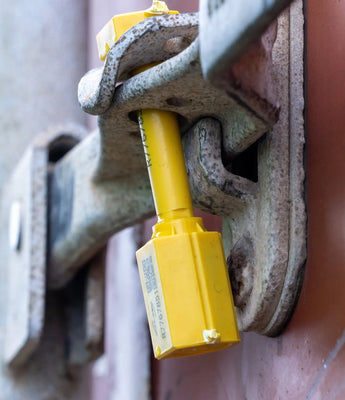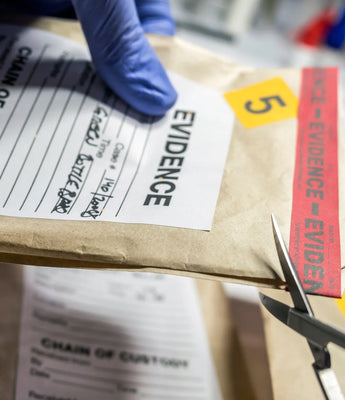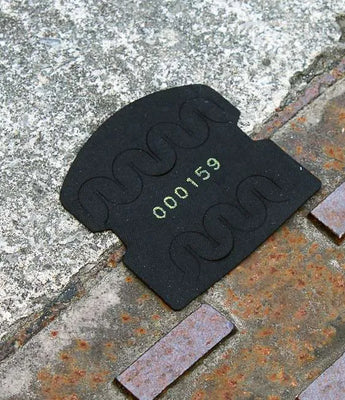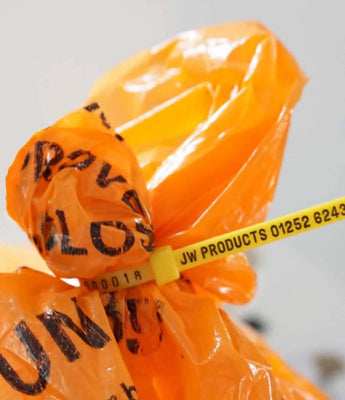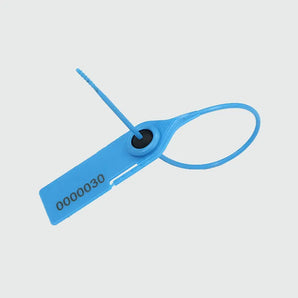
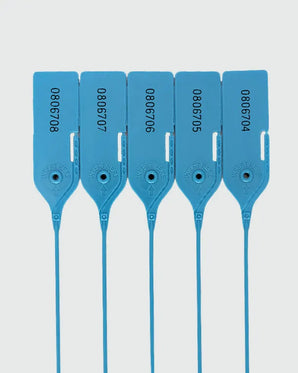
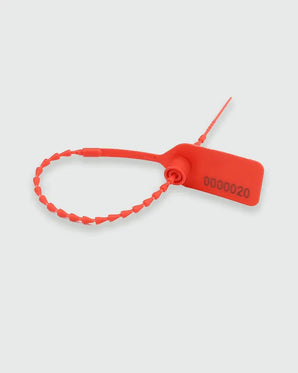
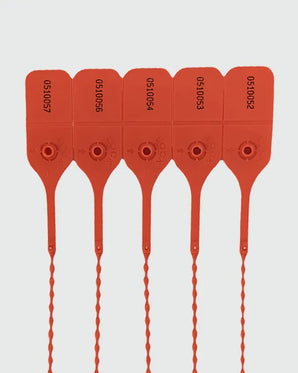
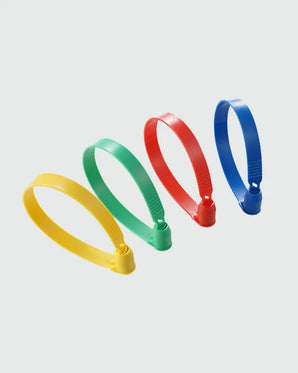
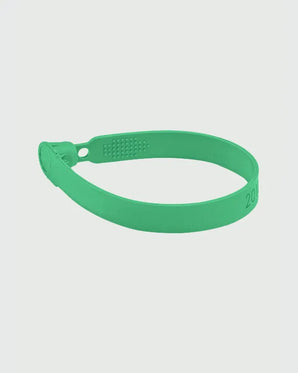
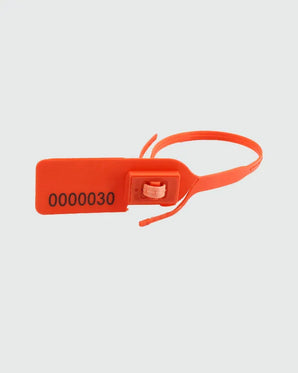
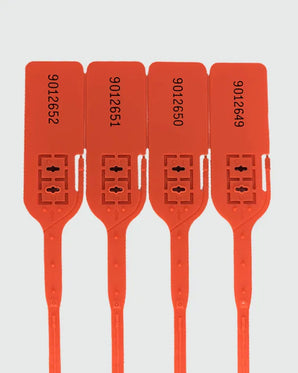
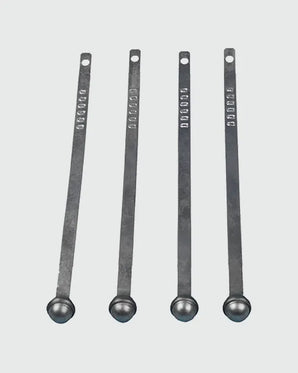
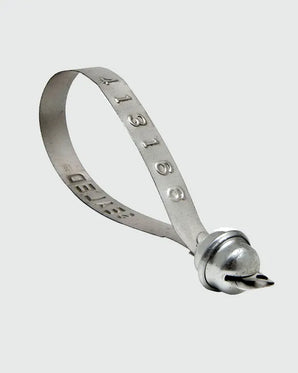
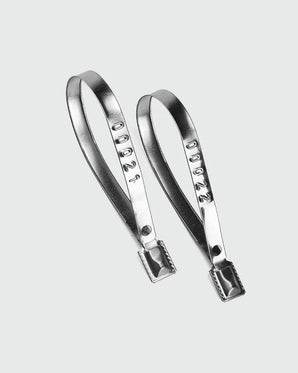
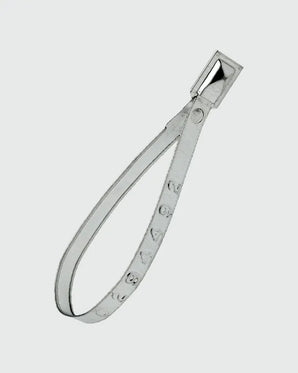
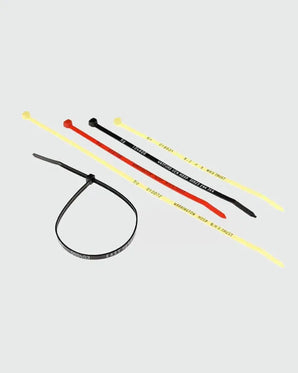
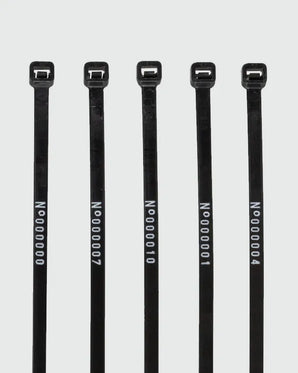
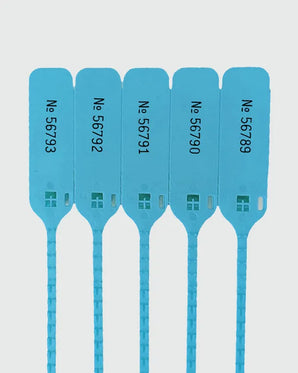
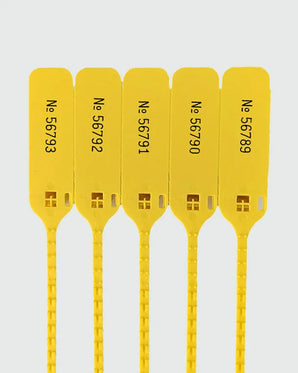
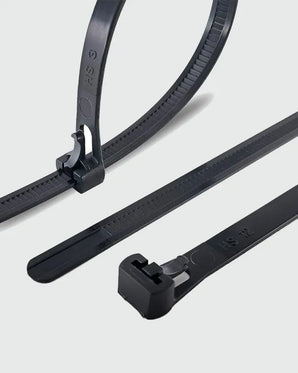
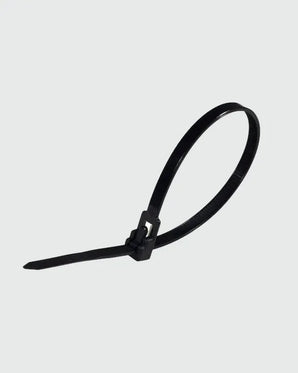



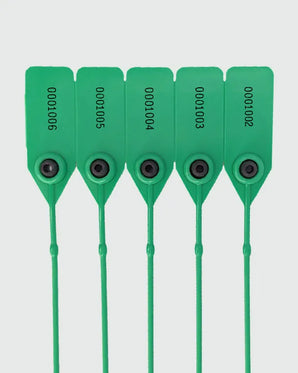
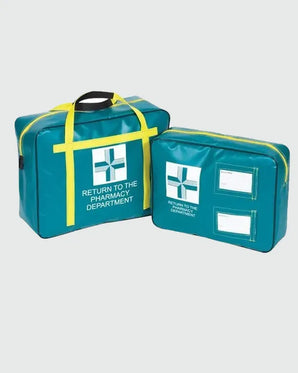
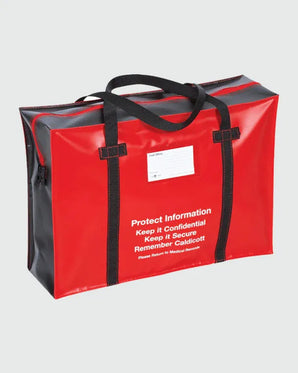
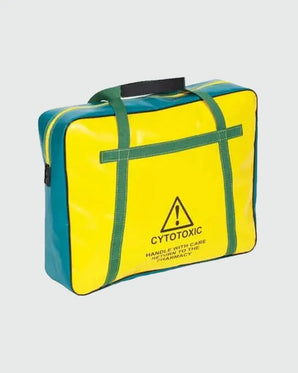

Buyers often search for a tamper proof seal when what they actually need is a tamper-evident seal that shows signs of access or interference at the sealed point. That distinction matters because the right seal depends on the closure point, the inspection process, and what staff need to see when they come back to check it.
The buying decision then comes down to three things: what needs sealing, what staff need to check, and what still needs to be visible when they come back.
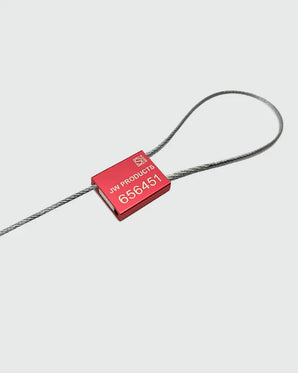
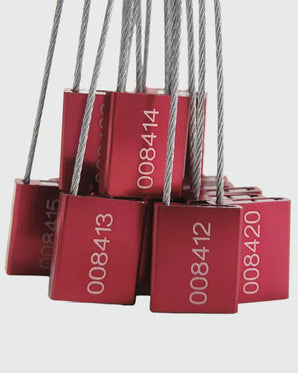
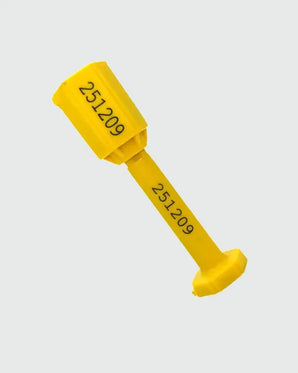
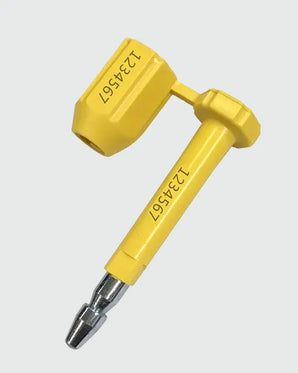
If you are searching for a tamper proof seal, JW Products can help you narrow that down quickly. Plastic seals, metal security seals, and other tamper-evident products suit different points and different inspection needs, and the right choice depends on the point being sealed and the check that follows.
What is the difference between a tamper proof seal and a tamper-evident seal?
A tamper-evident seal is designed to show signs of access, opening, or interference when staff check the sealed point later. A tamper proof seal suggests a product that is difficult or impossible to open, which is not how these products should be understood in practice.
That difference matters because buyers often use the wrong term first and only then get to the real question: what do staff need to confirm at the next check? In most applications, the real requirement is not to make opening impossible. It is to make access visible.
How do tamper-evident seals work?
When buyers search for a tamper proof seal, this is usually the function they are trying to find.
Tamper-evident seals work by giving staff a visible sign that someone has opened, accessed, removed, or interfered with the sealed point.
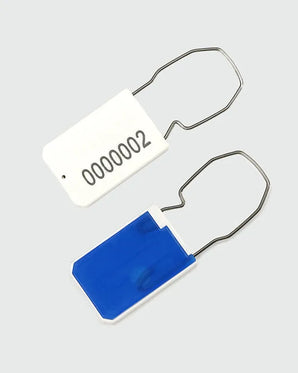
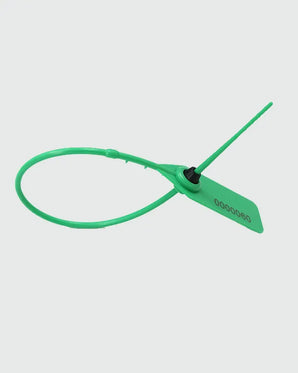
That sign may come from a broken locking mechanism, a removed pull-tight seal, a broken barrier seal, or visible damage to a label or tape. The purpose is to make access visible when someone checks the sealed point later.
Tamper-evident seals work best where staff need a clear visual checkpoint. If the product still appears intact, staff can continue the check. If it is missing, broken, or inconsistent with the record, the point needs closer attention.
How do you choose the right tamper-evident seal for your application?
Start with the job the seal needs to do.
Some applications only need a simple visual indicator at the closure point. Others need a stronger barrier-style seal for freight, container, or higher-control uses. In some cases, speed of application matters most. In others, number recording or handover control matters more.
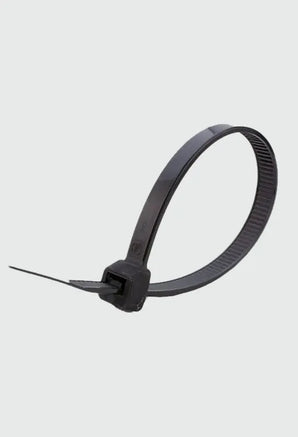
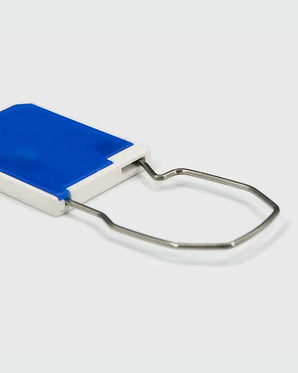
The application should drive the choice. If the sealed point is small, routine, and checked regularly, a plastic seal is often the sensible place to start. If the point needs a stronger barrier-style product, move to a metal security seal. If the surface itself needs to show signs of lifting or opening, a tamper-evident label or tape may suit the job better than a pull-tight or barrier format.
A seal that sounds more secure can still be the wrong fit if it does not suit the point or the check that follows.
At that point, keep it practical. What needs sealing, and what do staff need to see when they come back to check it?
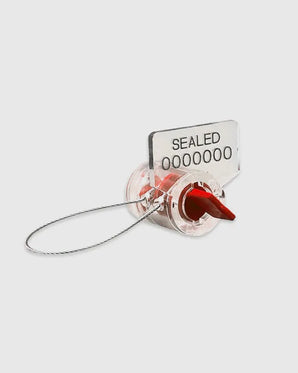
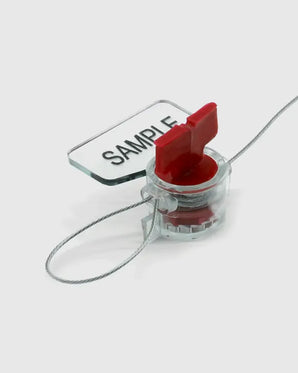
The setting changes the choice as well. Utilities often need routine visual checks at meter points or access points. Logistics and transport may need stronger barrier-style formats or numbered seals that support handovers. Packaging openings, lids, or access panels may be better suited to labels or tape where the surface itself needs to show signs of lifting or opening.
At that stage, the choice usually narrows to plastic seals, metal security seals, or tamper-evident labels and tape. JW Products supplies all three routes, so the next step is to match the product family to the point and the inspection process.
Do you need a plastic seal or a metal seal?
This is often the point where a search for a tamper proof seal turns into a more practical product choice.
That depends on the point being sealed and the level of control the process needs.
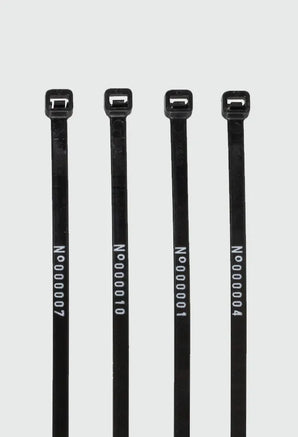
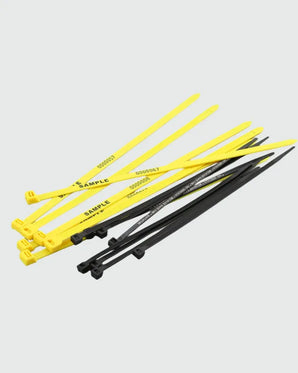
Start with a plastic seal where the point is routine, checked often, and needs a simple visual checkpoint. Plastic seals are common across routine operational checks, utilities, healthcare, and many everyday control points.
Move to a metal security seal when the point needs a stronger barrier-style format, when the closure hardware demands it, or when the process involves transport or other higher-control movement.
A metal seal is not automatically the right answer just because the application feels higher risk. The point still has to suit the format.
Do not choose on material alone. Choose on fit, on how the point is checked, and on what staff need to confirm when they inspect it.
When is a tamper-evident label or tape a better option?
For some applications, a tamper proof seal is not the right format to start with.
Some applications are better suited to labels or tape than to a pull-tight or barrier seal.
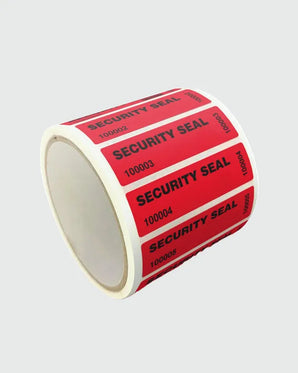
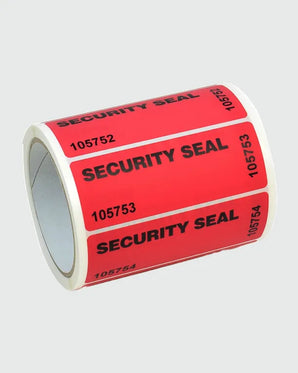
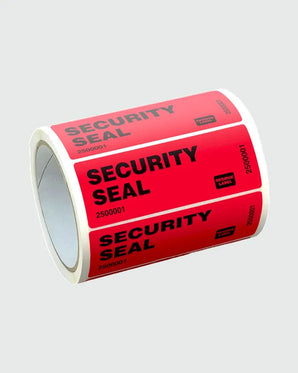
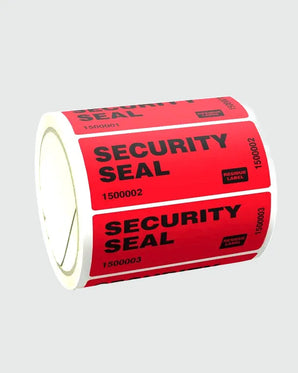
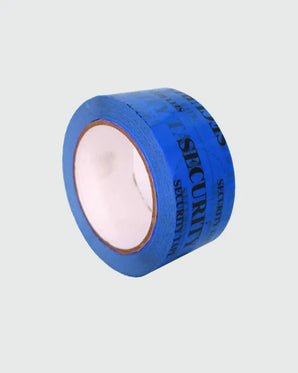
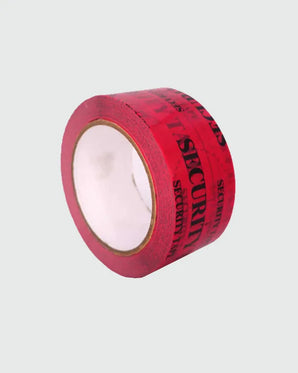
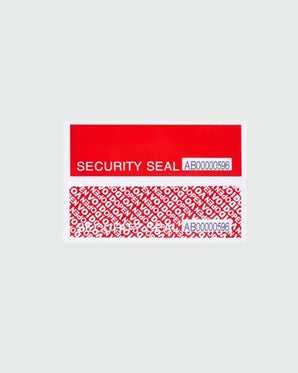
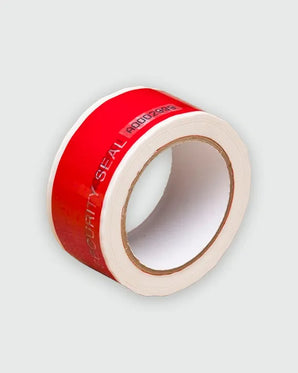
That usually happens when the surface itself needs to show signs of opening or lifting. A box flap, package opening, tote lid, or access panel may be easier to manage with a tamper-evident label or tape format than with a mechanical seal.
The better option depends on the point you are sealing. If the application depends on visible evidence across a surface or opening rather than a loop-through closure point, a tamper-evident label or tape may be the more suitable option.
A label or tape does not replace a mechanical seal where the point needs a loop-through format.
What happens when you choose the wrong seal?
The wrong choice usually becomes obvious when the product is fitted, checked, or reviewed during the next inspection.
The seal may not suit the closure point properly. It may not give staff the type of visual check they need. It may slow the inspection down, complicate the handover, or leave the real question unresolved.
That is the mistake to avoid. A seal only helps when it matches the point and the next check. If the product suits the point properly, staff get a clearer check at the next inspection and can move through it with fewer delays.
That is exactly where the right product choice matters. If you are using the phrase tamper proof seal, JW Products can help you narrow that search down to the right tamper-evident option for the point, the environment, and the inspection process. You can also review our security seal best practices or compare security seal options and printing types before making the final call.
Speak to JW Products about tamper-evident seals
If you need help choosing the right tamper-evident seal for your application, speak to JW Products. We can help you compare plastic seals, metal security seals, and tamper-evident labels and tape against the closure point, the environment, and the inspection process. You can also request a quote to discuss the right option for your application.