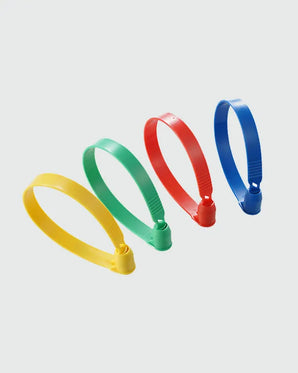
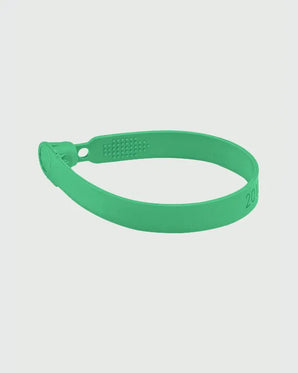
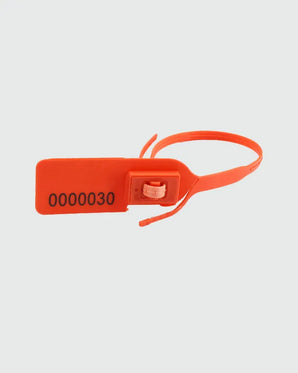
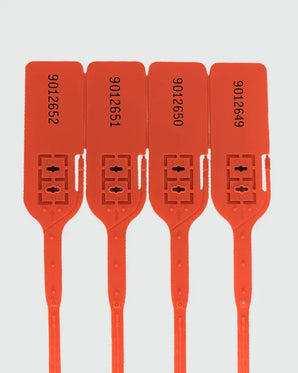
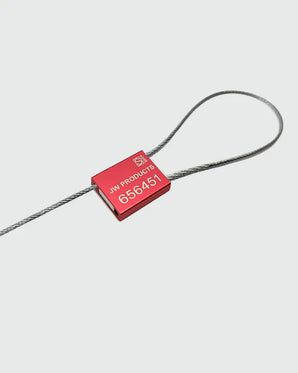
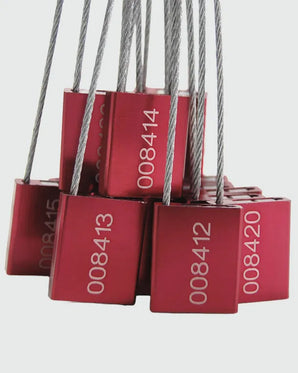
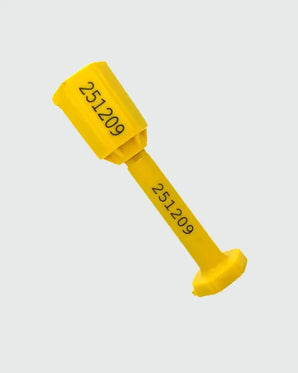
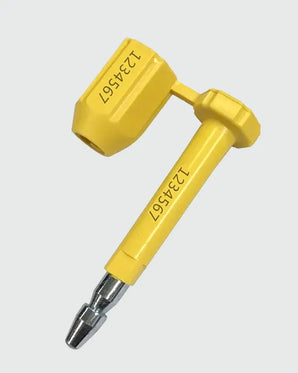
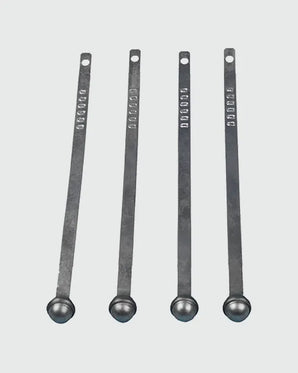
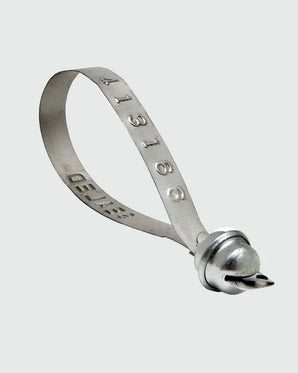
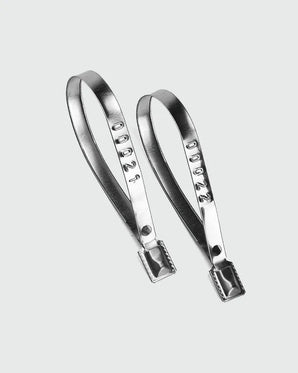
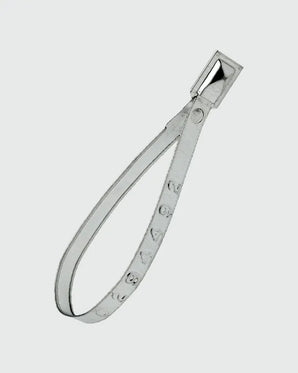
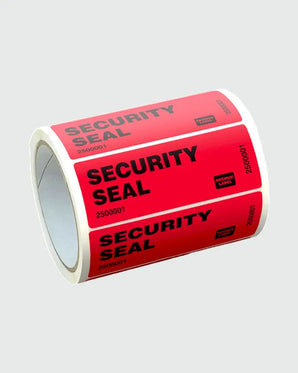
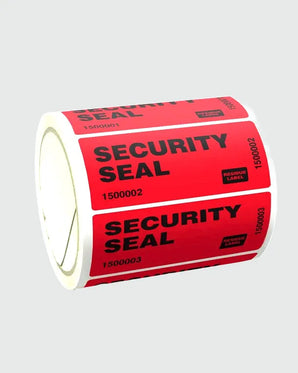
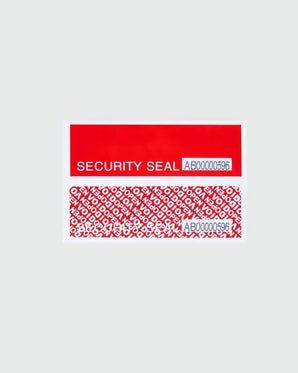
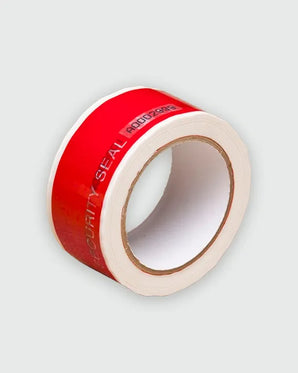
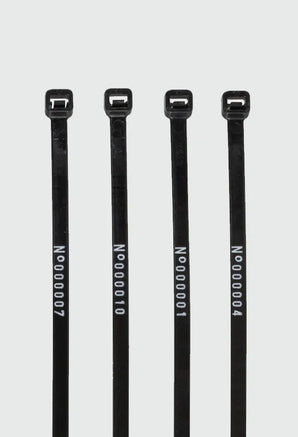
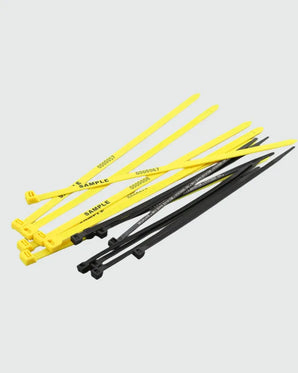




Some can be recycled, but only if a suitable service accepts the used seal. Metal locking parts and contamination can affect that decision, so the plastic material alone does not determine the disposal route.
A plastic identification code cannot confirm which waste collection will accept a used seal. Purchasing teams also need evidence behind environmental claims and confidence that a change in material will still meet the required security specification.
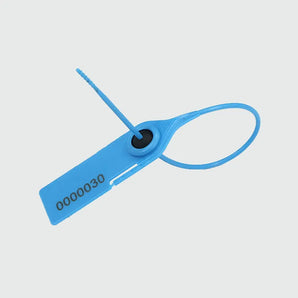
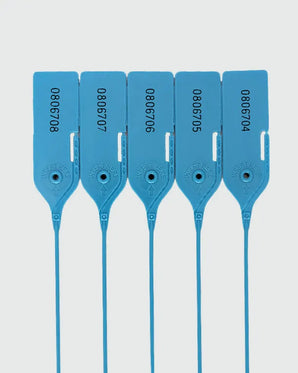
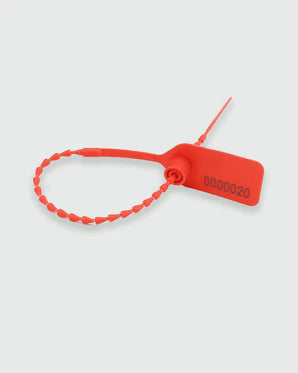
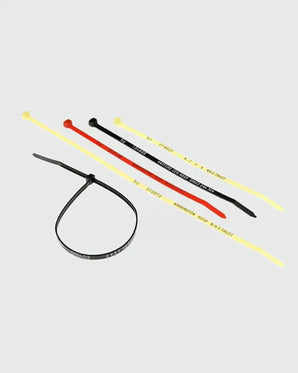
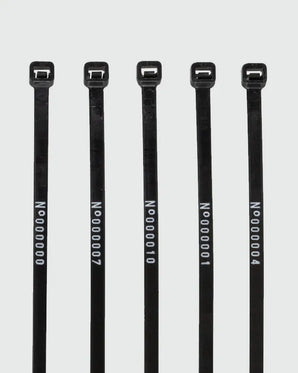
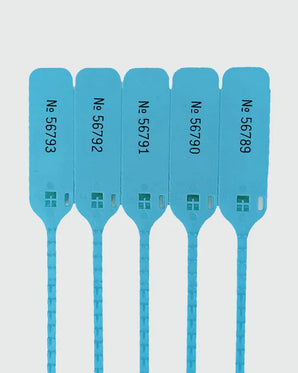
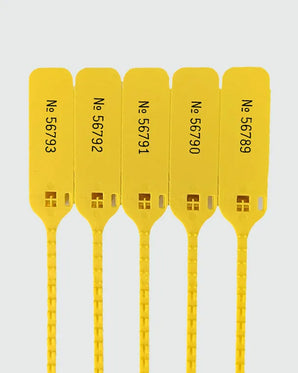
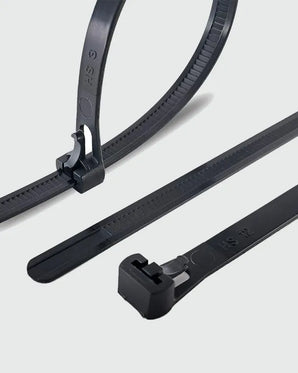
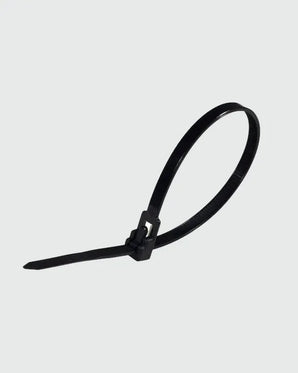
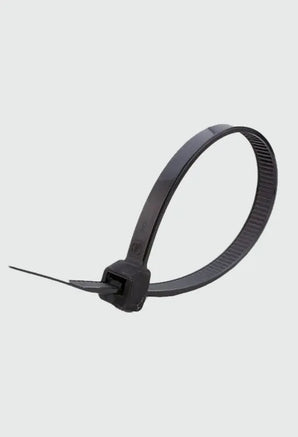
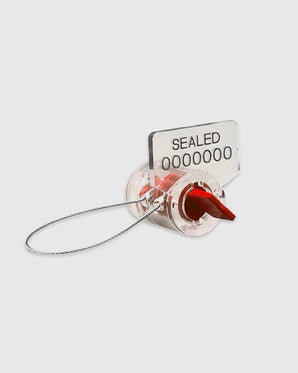
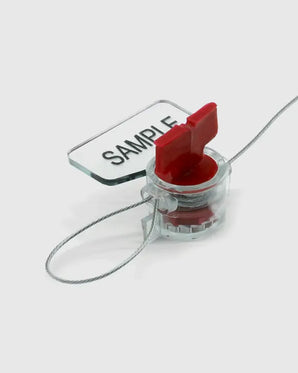
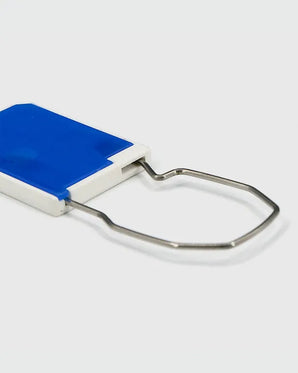
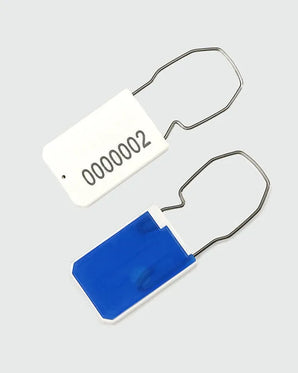
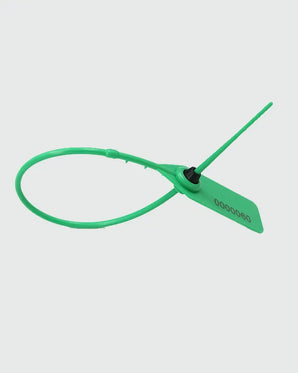
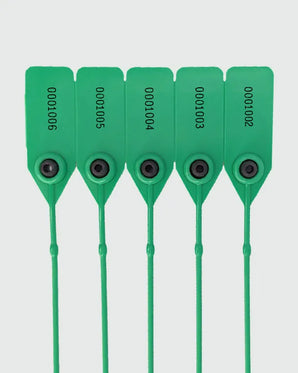
At JW Products, we supply plastic security seals in different constructions, including polypropylene Button Seals, Multi Purpose Security Seals with metal locking jaws and Nylon 66 Clinical Waste Ties. We help buyers compare material, fit and breaking strength before they confirm the disposal route with their waste contractor.
What Makes a Plastic Security Seal Recyclable?
Our Helpdesk identifies polypropylene (PP) and Nylon 66 among the plastics used across our range. Polypropylene plastic seals and Nylon 66 ties may need different collection arrangements. The construction of the finished seal also matters. Some polypropylene seals contain metal locking jaws, which may affect sorting and processing.
Ask the supplier for a specification covering the body and locking components. Pass it to your waste contractor, together with details of the seal’s size and how it is used. This gives the contractor the information needed to assess its collection options.
Does Recycling Code 5 Mean a Seal Can Be Recycled?
Recycling Code 5 identifies polypropylene. It does not confirm that a particular waste service accepts the complete seal. A collection that takes polypropylene packaging may exclude small security seals, especially those containing metal.
If a seal has no material code, request its specification rather than trying to identify the polymer by appearance.
What’s the Difference Between Recycled Content, Recyclability and Biodegradability?
ISO 14021:2026 covers self-declared environmental claims and defines terms used when making those claims. If your purchasing specification calls for recycled content or recyclability, request evidence for the exact product and the basis of the claim.
Recyclability and recycled content describe different characteristics. A product can contain recycled material without that alone establishing how it should be handled after use.
Biodegradability depends on the material tested and the conditions under which degradation occurs. A biodegradable designation does not establish that the product is compostable, accepted in ordinary recycling or safe to discard as litter. Ask for the relevant test method and the components covered by the claim.
The Competition and Markets Authority’s Green Claims Code explains that environmental claims should be clear, accurate and supported by evidence. Define the material characteristic your organisation requires instead of specifying a seal as “eco-friendly”.
What Materials Are Used in Our Plastic Seals?
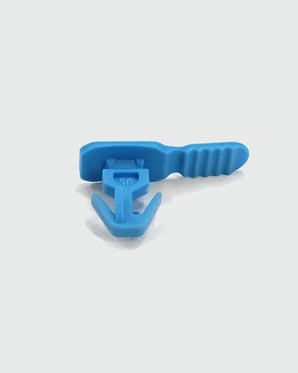
Our Button Seals are single-use and made from polypropylene. We describe the material as recyclable on the product page, but this does not establish acceptance by a particular waste service.
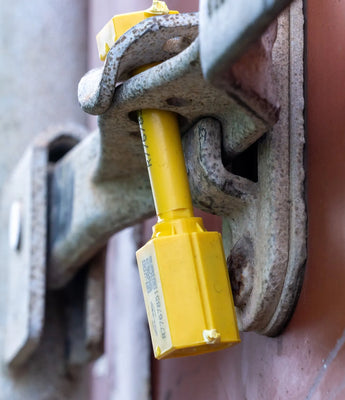
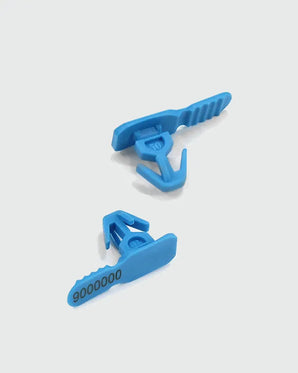
Our Multi Purpose Security Seals combine polypropylene with metal locking jaws and have a published breaking strength of 14.5 kg. When assessing recycling options, give your waste contractor the full product specification, including the metal locking components, so they can confirm the appropriate disposal route.
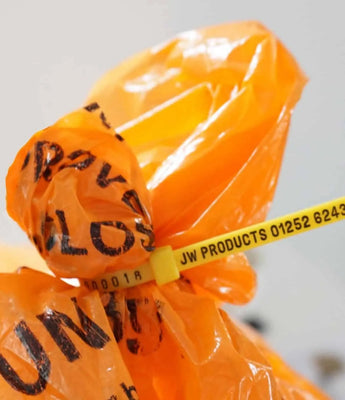
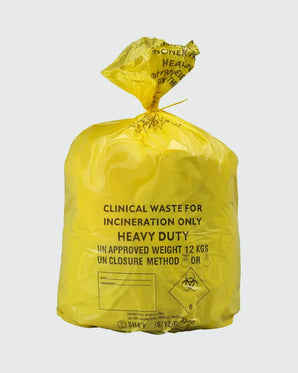
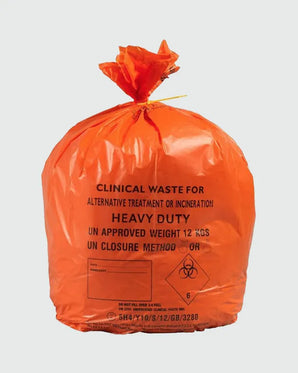
We also supply Clinical Waste Ties made from Nylon 66 for securing clinical-waste sacks. Where Clinical Waste Ties are used within a healthcare-waste stream, disposal should follow the applicable classification and segregation requirements for that waste. Their polymer alone does not determine the disposal route.
Explore our plastic security seals range to compare formats. If you need help checking material, fit or breaking strength, contact our team. We can explain the available product specifications. Confirm with your waste contractor whether it accepts the used seals in the relevant recycling or waste collection.
How Should UK Businesses Dispose of Used Plastic Security Seals?
To determine how to dispose of plastic seals, list the types used on site and note any contamination expected after removal. Give the waste contractor their material specifications and ask which used seals it accepts in the existing recycling collections. For items it cannot accept, agree another appropriate business-waste route.
Businesses must also meet the waste duty of care and the recycling requirements applying where they operate. In England, this includes checking that waste carriers are registered, keeping the required waste-transfer records and following the workplace recycling rules, subject to applicable exemptions. Requirements differ in Scotland, Wales and Northern Ireland.
Once the collection route is agreed, give staff a short instruction covering the seal types accepted and any restrictions on contamination. Review it when the product or waste service changes. Clinical waste and other waste subject to special handling requirements must follow their own classification and disposal procedures.
How Do You Choose Plastic Seals for Security and Environmental Requirements?
Check environmental evidence against the security requirements of the closure. Before ordering, confirm:
• Material and construction: Which polymer is used, and are there metal or other components?
• Environmental evidence: Is a recycled-content declaration, recycling assessment or biodegradation test required?
• Disposal route: Has the waste contractor agreed to accept the used seal in its expected condition?
• Security and fit: Do the dimensions, locking mechanism and breaking strength suit the application?
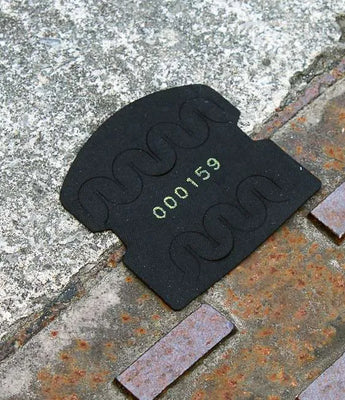
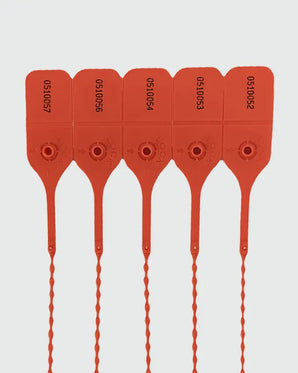
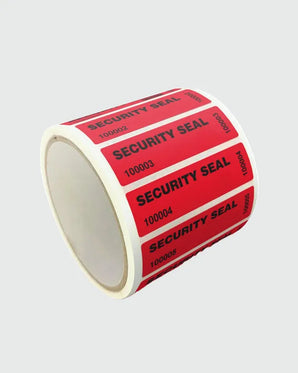
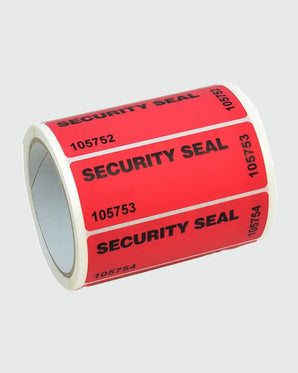
• Identification: Are numbered plastic seals, barcodes or company details needed for the inspection record?
A change in polymer or locking mechanism does not establish equivalent tamper-evident performance. Request a sample to test the fit on the actual closure, then confirm recycling arrangements separately.
Compare the Right Seal Before You Order
Tell us what needs sealing, the quantities required and any environmental evidence your organisation needs. Request a quote from JW Products and we’ll help compare suitable seals using the available material, breaking-strength and identification specifications.