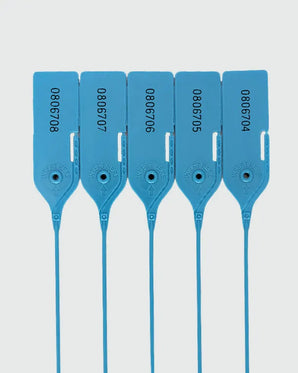
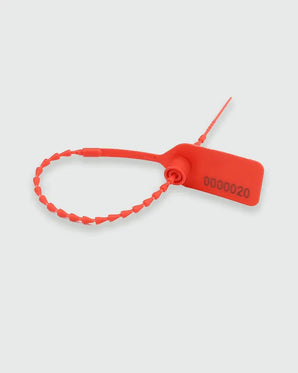
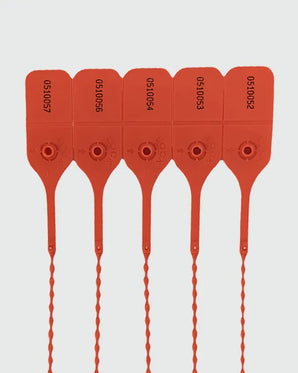


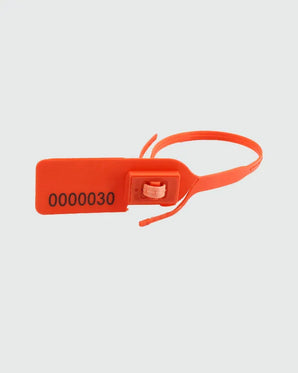
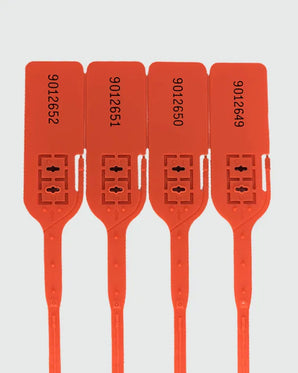
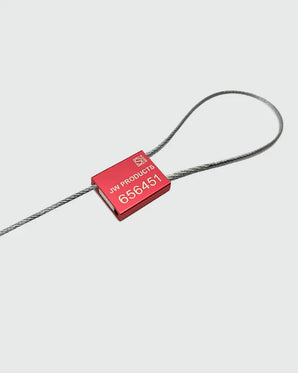
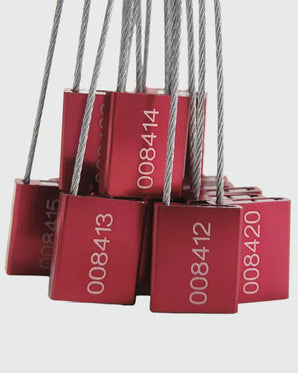
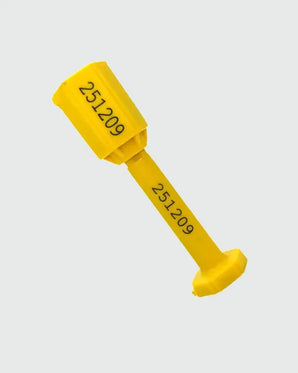
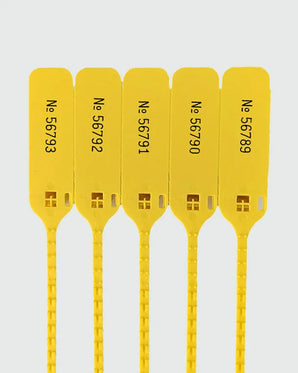
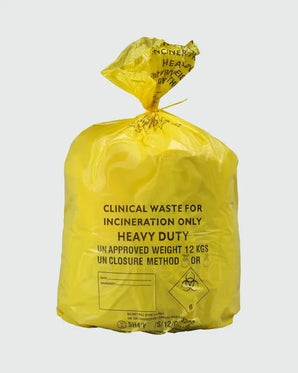
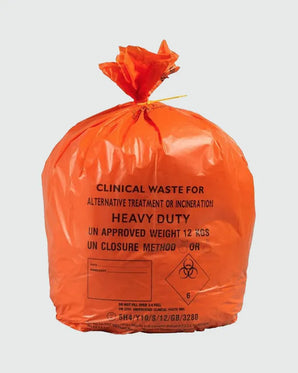
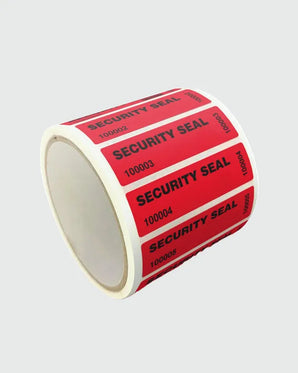
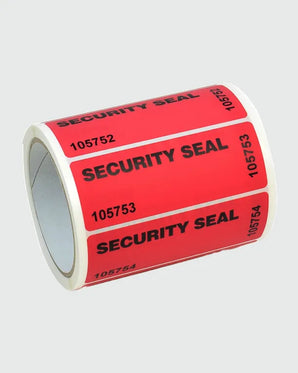
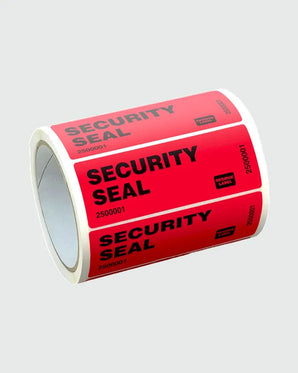
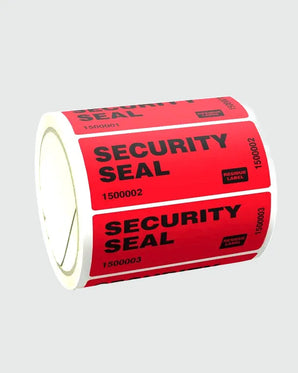
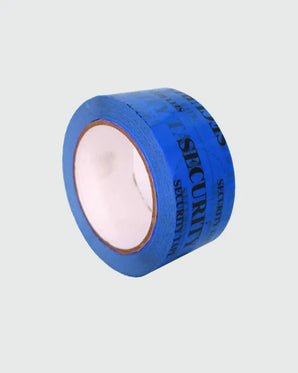
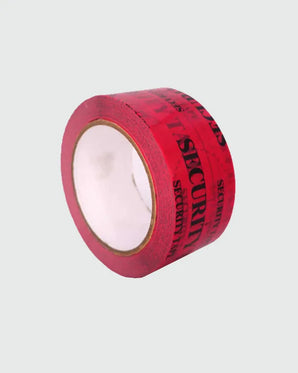
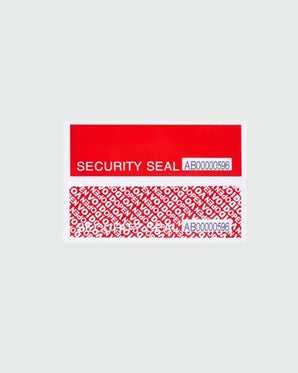
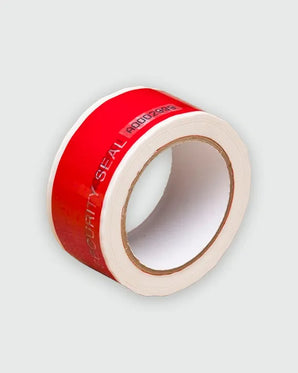
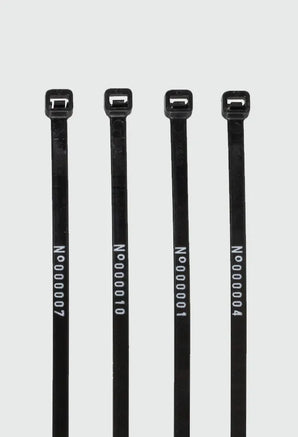





Global supply chains rely on the physical integrity of every seal, yet standard packaging methods offer no way to detect unauthorised access during the multi-stage transit process. When a pallet moves through various regional hubs and loading bays, the lack of a verifiable monitoring system leaves logistics managers vulnerable to accepting liability for compromised stock. Implementing specialised tamper tape eliminates this ambiguity by creating a permanent, visible record of interference that cannot be hidden or resealed.
JW Products manufactures and supplies these security solutions specifically for the logistics and industrial sectors. We focus on the physical durability of our materials to ensure they perform reliably in demanding warehouse environments.
Why do pallets and cartons require visual evidence of interference?
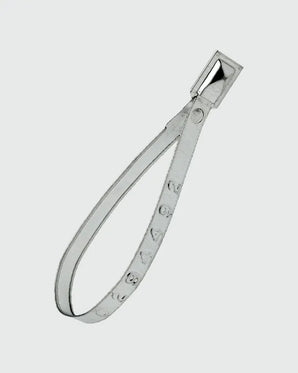
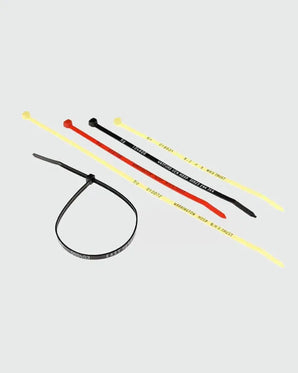
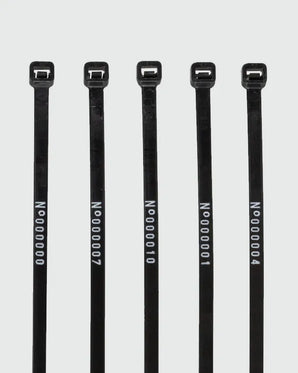
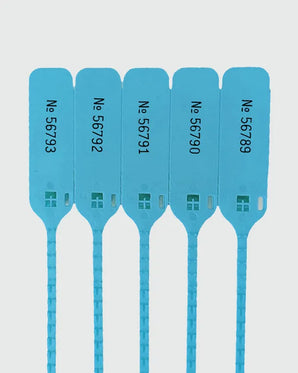
Visual evidence is the primary tool for identifying unauthorised access during storage or transit. At JW Products, we manufacture tamper-evident seal that undergo a permanent physical change upon removal, preventing the "peel and reseal" methods used to hide theft.
Standard packaging tape offers no audit trail once a carton has been resealed. Because a standard adhesive strip can be removed and replaced without leaving a visible mark, breaches often remain hidden until the final customer opens the box. Using tamper tape fundamentally changes the state of the packaging upon any attempt at entry.
The material reveals a "VOID" message or delaminates the moment it is lifted. This reaction is irreversible, meaning the seal cannot be reapplied to conceal the fact that the contents were accessed.
This allows load supervisors to scan pallets during intake and identify compromised units in seconds. By catching breaches at the point of entry with specialised tamper tape, businesses avoid the cost of processing and shelving tampered goods, significantly reducing internal shrinkage.
How does tamper tape validate the chain of custody?
Tamper-evident tape functions as a physical checkpoint that validates every stage of the supply chain. By providing a verifiable seal that persists from origin to destination, the tape confirms that a package remained secure, effectively bridging the gap between physical handling and digital operational logs.
While a signature confirms that a pallet was physically received, it does not verify the internal condition of the load. Applying security labels and tapes links the physical carton to the digital delivery record, providing a "silent signature" for the contents.
Pinpointing exactly where a breach occurred whether at a regional hub or a local depot allows managers to attribute liability to a precise transport leg. This prevents your facility from accepting financial responsibility for goods that were compromised earlier in the supply chain.
Transit incidents often occur during peak seasonal volumes. Establishing your security baseline now ensures that your high-value shipments are protected before the next handling surge. View our Stock Security Tapes & Seals for immediate dispatch.
How do you match adhesives to warehouse substrates?
Effective security depends on the chemical bond between the adhesive and the packaging material. To ensure the "VOID" mechanism triggers correctly, we provide custom-printed specifications that match the surface energy and texture of the carton wrap.
Recycled cardboard often presents a challenge due to loose fibres and porous surfaces that standard tapes fail to grip. If a specialised tamper tape is applied to a low-grade corrugated box without the correct adhesive tack, the seal may lift prematurely. We focus on the industrial chemistry required to prevent these failures.
Selecting the correct high-tack formulation ensures the security system doesn't fail due to environmental factors like dust or temperature shifts. This precision reduces "false positives" in your security checks, saving time for warehouse operatives and ensuring that when a seal shows a breach, it is a genuine security event.
What are the practical constraints of security labels?
It is vital to distinguish between tamper-evident products and those marketed as "tamper-proof." Labels and tapes are designed as indicators of interaction; they do not possess the mechanical strength to physically prevent a determined individual from cutting into a carton.
Relying on tamper tape as a physical lock is a common error that can undermine a risk assessment. These products are purely informational tools meant to support audit protocols. They reveal an action after it has happened rather than serving as a physical barrier to entry.
Understanding this distinction allows managers to build more realistic security protocols. Using high-visibility tamper tape as a detection layer alongside physical containment measures ensures you have a comprehensive strategy that protects the bottom line while maintaining high operational throughput.
Secure Your Distribution Chain
Selecting the wrong adhesive specification can lead to tape failure or overlooked breaches. If you are currently reviewing your transit security protocols, JW Products can provide the technical guidance and material samples required to ensure your pallets remain fully accountable.
Request a Technical Consultation or Samples Today
Frequently Asked Questions
How quickly does the tape show visual evidence of a breach?
The evidence is instantaneous. The mechanical separation of the tape from the surface causes the internal adhesive layer to split and reveals the hidden "VOID" message. Once this chemical separation occurs, it cannot be hidden.
What substrates work best with high-tack adhesives?
High-tack formulas are best suited for recycled cardboard and textured plastics. These surfaces often reject standard adhesives, making a high-bond formula necessary to maintain the integrity of the audit trail during rough handling.
Can tamper tape be used as a primary theft prevention tool?
No. Tamper-evident tape should be used as a detection tool, not a prevention tool. Its purpose is to make a breach impossible to hide, ensuring that theft is caught at the earliest possible handover point. For physical containment, mechanical seals should be considered alongside indicative tape.
If you require a technical review of your current packaging substrates to ensure adhesive compatibility, contact JW Products to discuss your specifications or to request material samples for site testing.