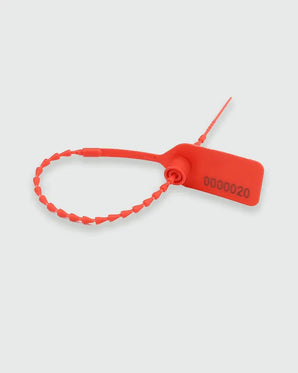
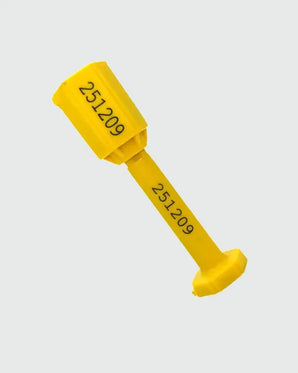
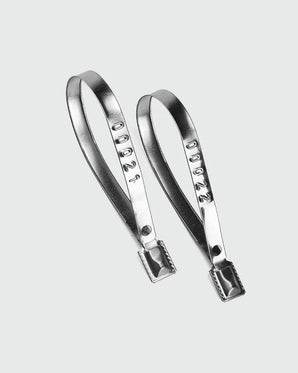
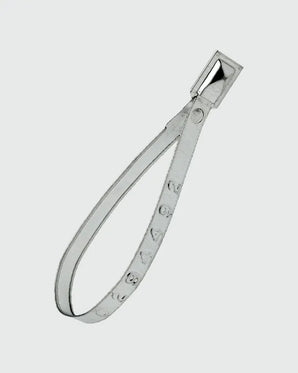
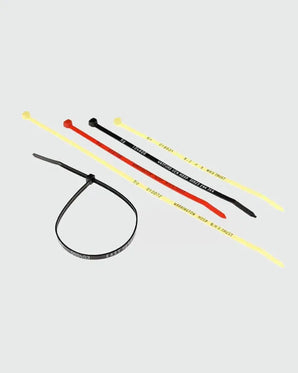
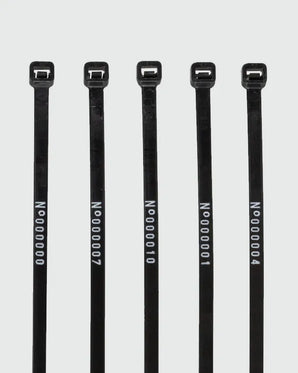
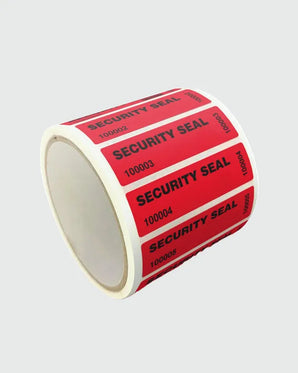
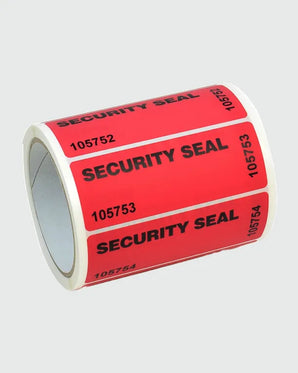
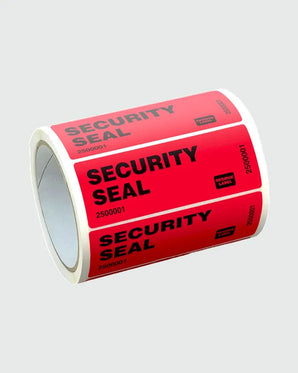
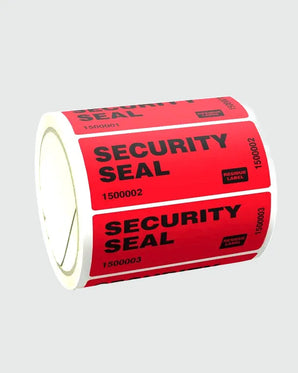
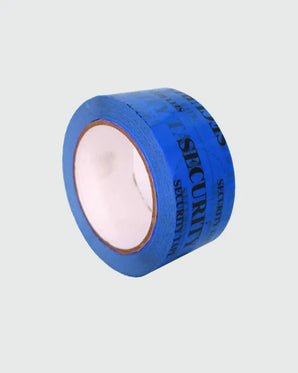
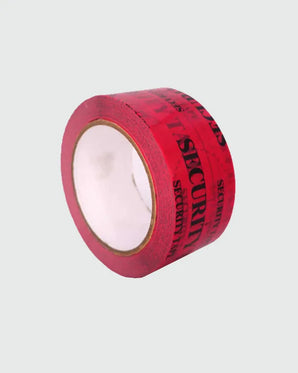
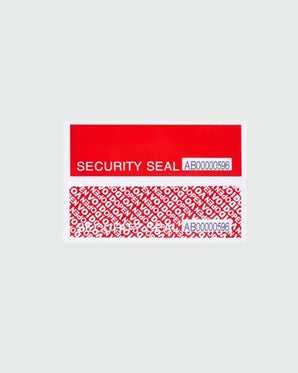
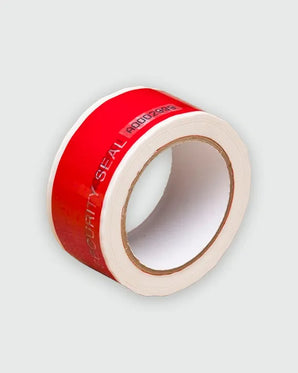



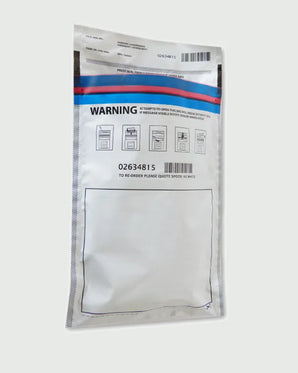

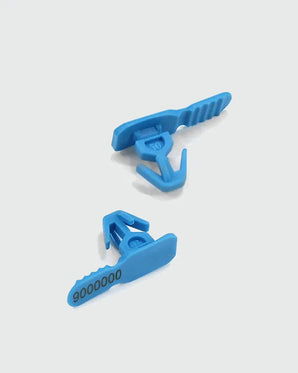

Fleet operators often face the financial burden of missing cargo because they cannot prove exactly when a trailer door was opened during a multi-drop journey. Without a verifiable marker at the point of dispatch, liability for tampered goods becomes a point of contention between the haulier and the receiving depot. Adopting a strict security seals chain of custody logistics protocol transforms the trailer latch into a reliable data point. This provides the physical evidence needed to settle liability disputes the moment a vehicle hits the loading bay.
Maintaining this level of accountability requires a procedural change and a consistent supply of uniquely identified hardware. At JW Products, we align our industrial manufacturing with rapid stock availability to prevent the compliance gaps that often stall daily dispatch schedules. Explore our range of High-Security Seals here.
Why security seals are checked during deliveries
A logistics handover marks the precise moment responsibility for a shipment transfers between transport teams. During this window, drivers and bay staff must verify the trailer's physical state before signing the manifest. This inspection confirms the cargo remains exactly as it was when the vehicle departed the origin facility.
Vulnerabilities exist every time a truck stops in a layby or changes hands at a regional hub. Using security seals for transport handover checks provides a passive monitoring system for the trailer or container. Fleet managers require visual confirmation that the seal is intact to maintain the integrity of the route from start to finish.
A clear visual check at the receiving bay allows operators to process freight faster. By catching a tampered latch or a broken strap before the driver leaves the site, you protect the haulier from accepting financial liability for stock compromised during a previous leg of the journey.
How security seals prevent shipment tampering
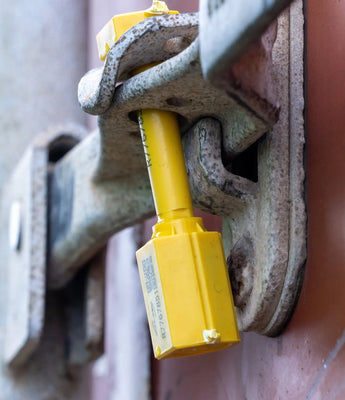
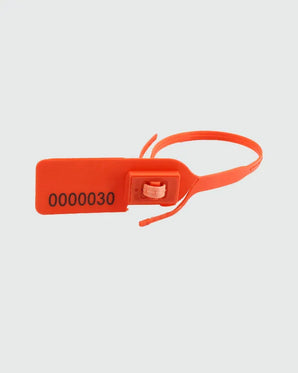
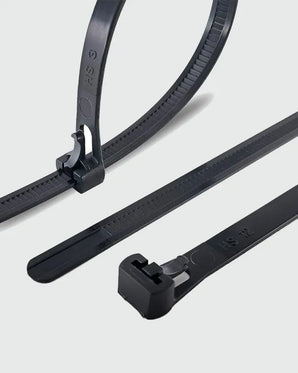
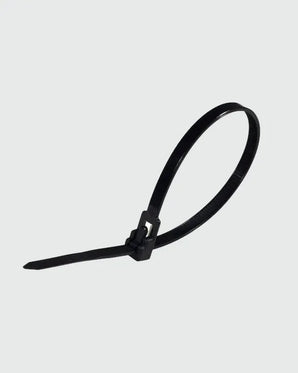
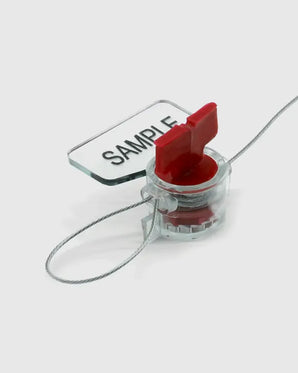
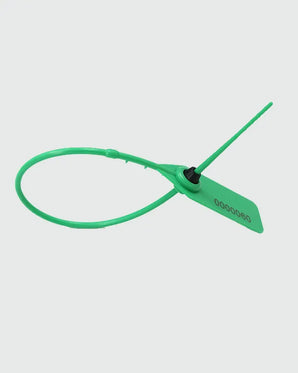
Security seals act as a visual control that lets staff verify the vehicle's state at a glance. These products indicate interference. They reveal mechanical stress or break permanently if forced open, which distinguishes them from heavy physical barriers like slam-locks or padlocks.
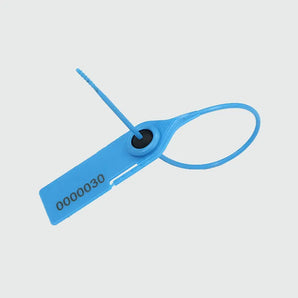
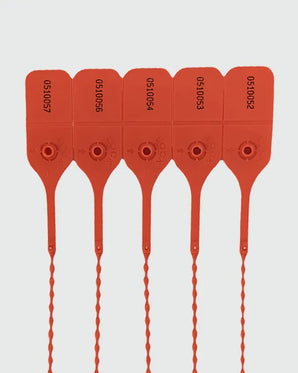
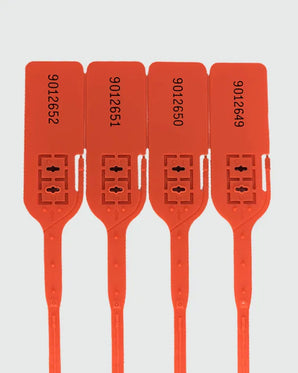
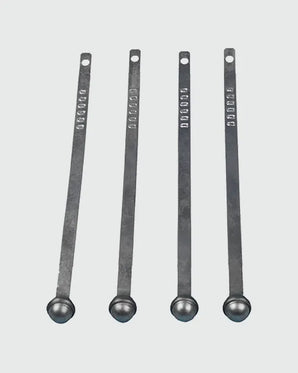
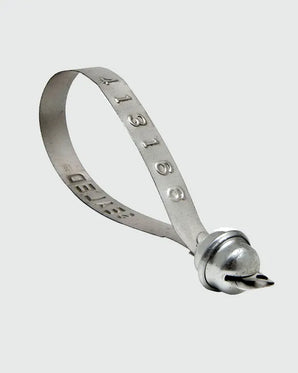
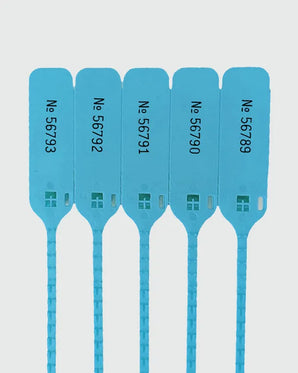
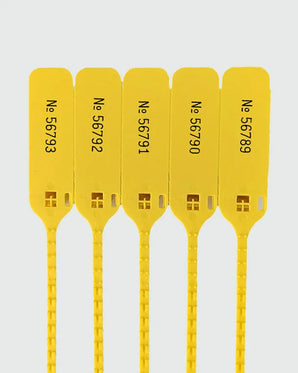
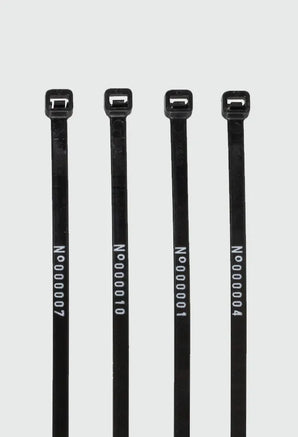
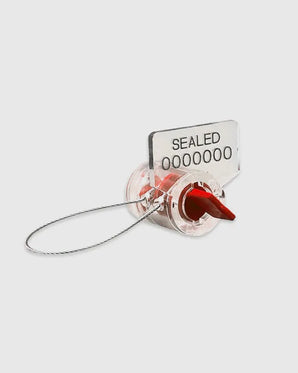
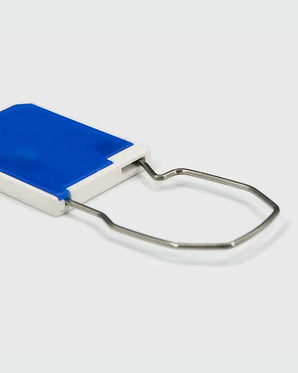
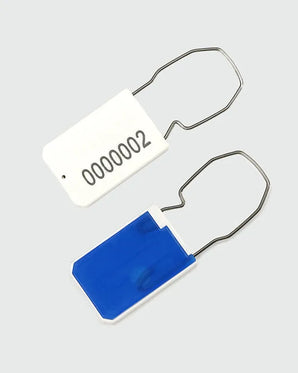
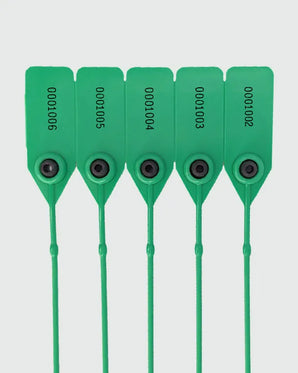
Staff look for intact locking mechanisms and matched serial numbers to confirm the manifest data. A locked plastic strap provides verifiable evidence of how the vehicle moved in transit. By engineering these indicators to specific break-strengths, we help transport planners move away from guesswork and toward standardised auditing.
Because these components consist of single-use materials, they cannot be reassembled or hidden once breached. This creates a "hard record" that simplifies insurance claims and internal investigations. It removes the ambiguity that usually complicates unsealed road freight.
Why Reliable Stockholding is Mandatory for Fleets
Reliable stockholding prevents unbudgeted downtime at the point of dispatch. High-volume haulage networks need a constant flow of uniquely numbered hardware to keep every vehicle compliant before it hits the road. Running out of seals pauses outbound freight and breaks your documented security protocol.
We manage the manufacturing framework for security seals to Manchester logistics depots and security seals for Liverpool transport companies to ensure regional hubs never face a shortage. By holding stock for our clients, we remove the burden of inventory management from the busy transport planner.
Maintaining buffer stocks of security seals in St Helens warehouse operations ensures your fleet is never grounded for want of a simple plastic strap. Consistent availability keeps your dispatch schedules predictable. Contact us for bulk pricing and scheduled stock deliveries.
Containment Solutions for Specific Transport Methods
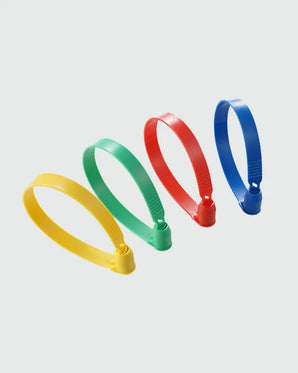
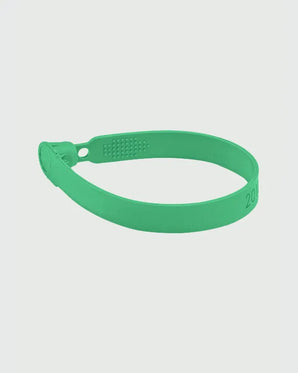
Different vehicles require hardware matched to their door mechanisms and journey types. Transport planners match the physical properties of the seal to the specific truck or van. Using the wrong specification often leads to accidental breakages from road vibration, which triggers a false security alarm and wastes valuable time.
Our team supplies logistics security seals for Liverpool distribution centres matched to specific fleet requirements, from light delivery vans to heavy articulated lorries.
Matching the seal to the vehicle cuts down on "false positives" caused by transit movement. This saves your gatehouse teams from performing full inventory audits on loads that only appeared tampered with because the hardware failed during the drive.
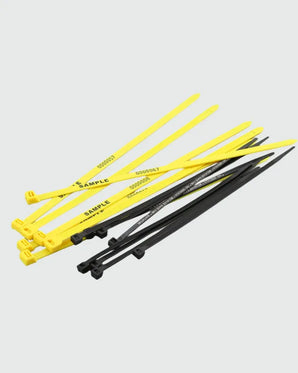
Need to test durability on your specific fleet? Request a Technical Sample Pack today.
When Should Planners Apply ISO 17712 Bolt Seals?
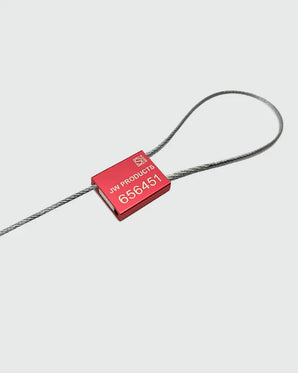
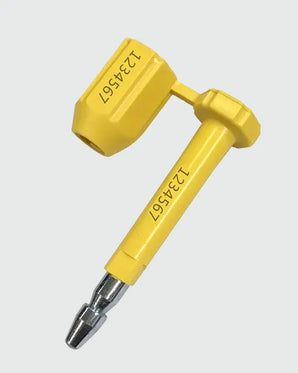
ISO 17712 bolt seals set the standard for international shipping containers and cross-border freight. These high-strength metal pins require industrial bolt cutters for removal. They meet the strict compliance needs of export logistics and customs inspections. View our ISO 17712 compliant bolt seals.
Using metal fasteners for container security seals Manchester freight checks ensures the seal survives the mechanical stress of crane lifts and port transfers. This durability stops the chain of custody from breaking accidentally during intermodal transit, protecting the exporter from liability disputes at international borders.
Request a Technical Consultation for Fleet Security
If you are reviewing your handover protocols or need technical samples for fleet testing, contact JW Products to discuss your specific manufacturing and stockholding requirements.
Frequently Asked Questions
How to Verify a Component During an Audit
Staff verify items by checking the locking chamber and comparing the serial number against the vehicle manifest. This must happen before the receiving signature is applied. Operators should physically pull on the fastener to ensure the locking mechanism actually engaged during the initial application.
Signs of Interference on a Plastic Strap
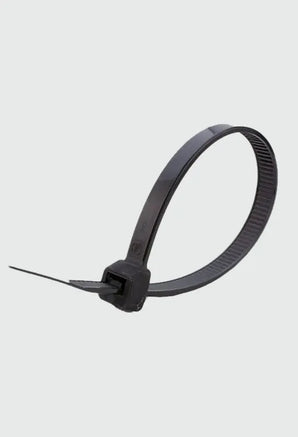
Look for a broken strap or a shattered internal locking insert. "Whitening" of the plastic signals mechanical stress or attempts to "shim" the lock. If the seal is missing entirely, the chain of custody has officially broken. You should quarantine the load and review the vehicle’s GPS logs immediately.
Why Unique Serial Numbers are Required
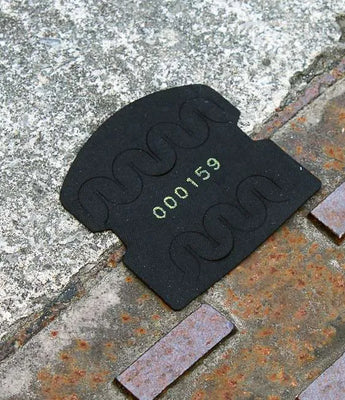
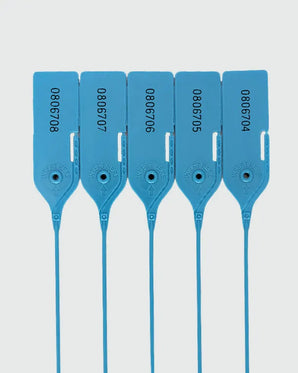
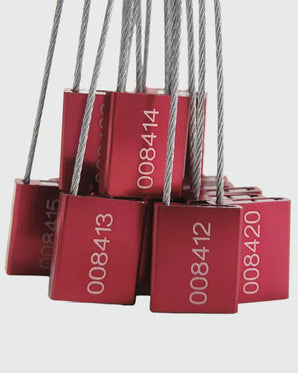
Serial numbers provide the traceability needed across multi-drop transport networks. Without unique numbers, compromised hardware could be replaced with an identical item to hide theft. We log all outgoing numeric sequences to prevent overlaps and ensure the integrity of your fleet’s asset tracking system.