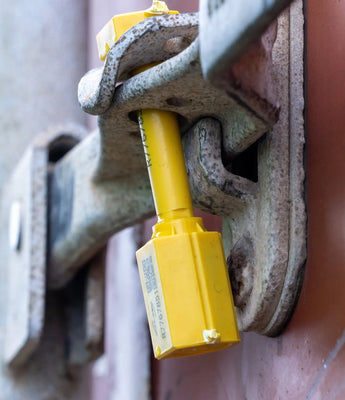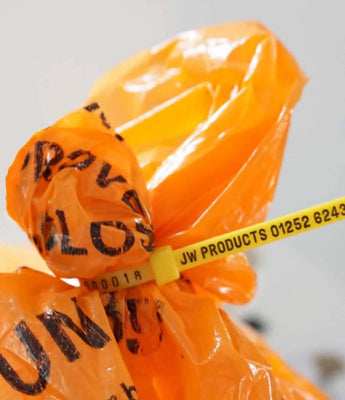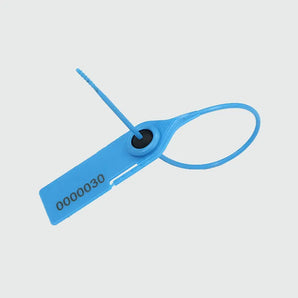
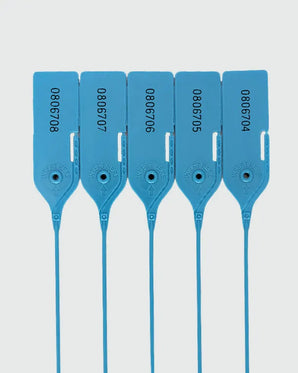
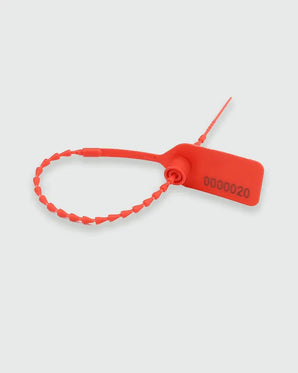
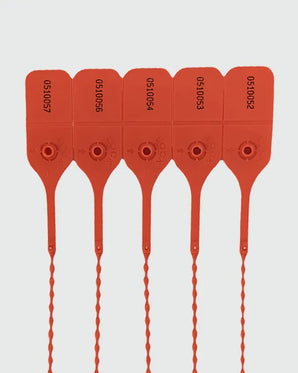
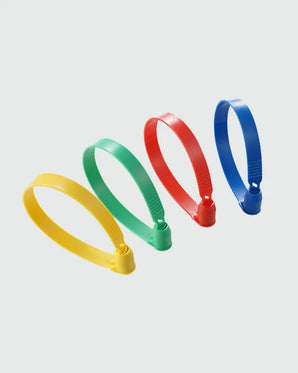
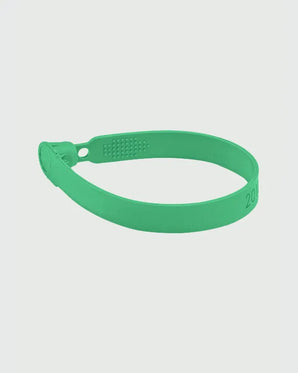
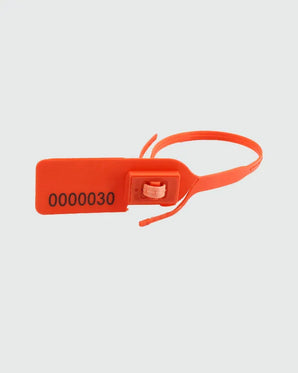
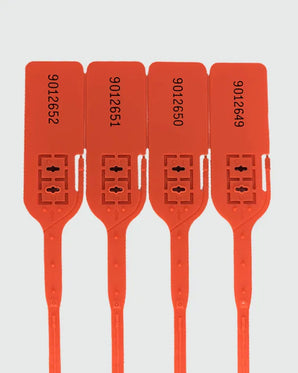
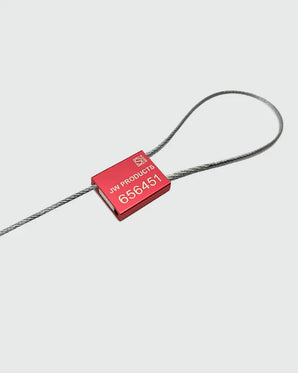
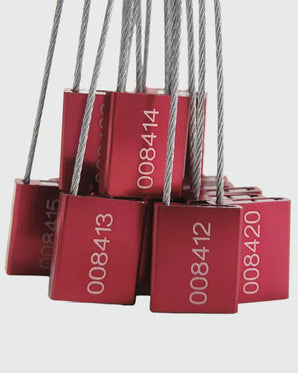
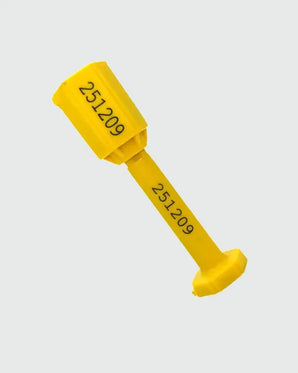
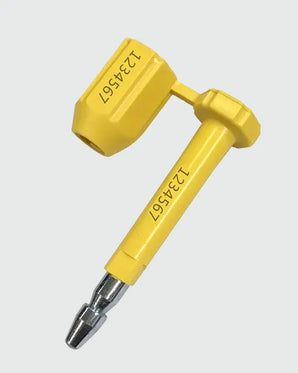
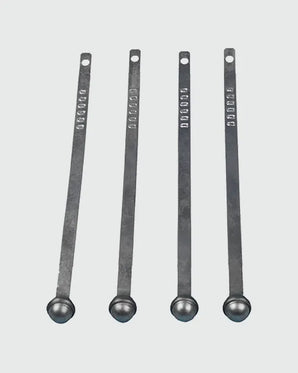
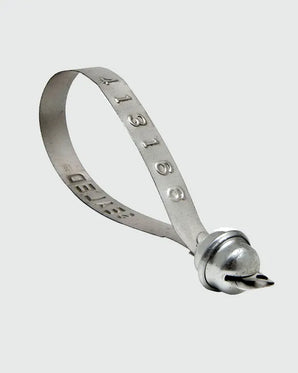
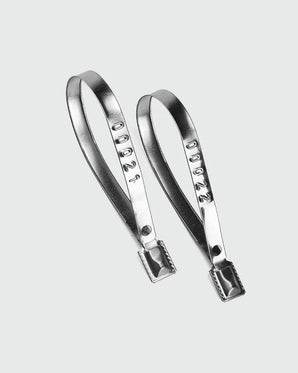
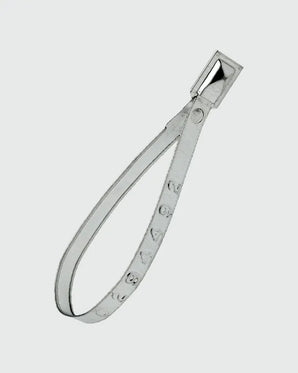
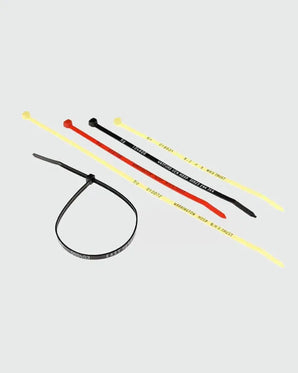
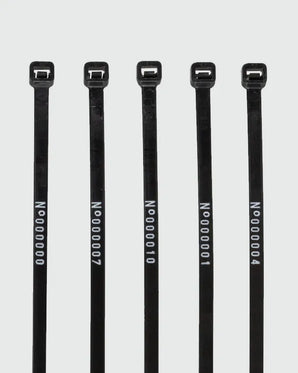
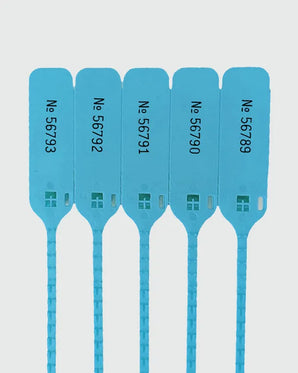
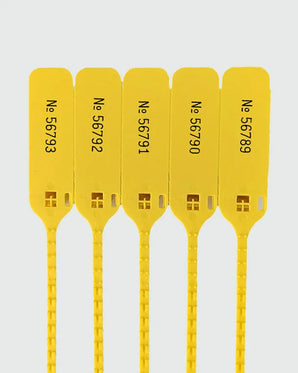
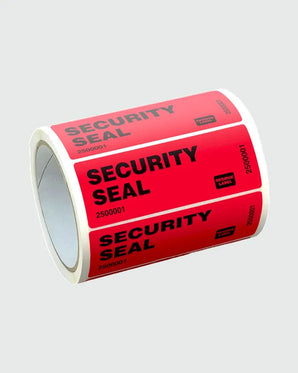
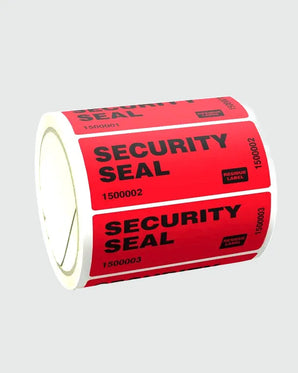
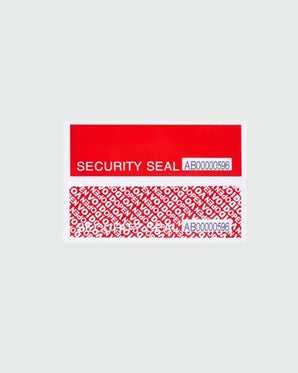
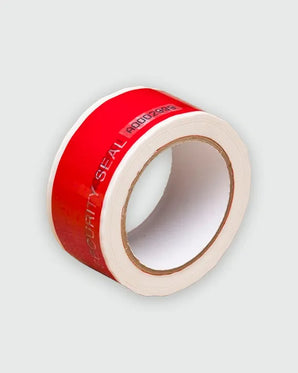
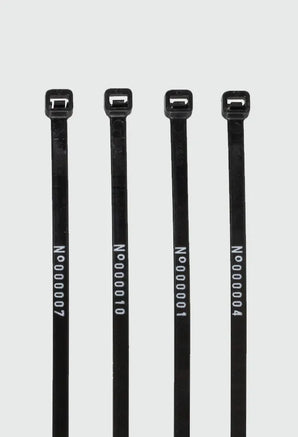
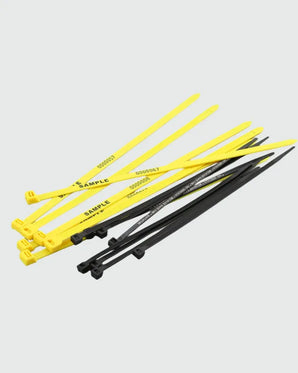
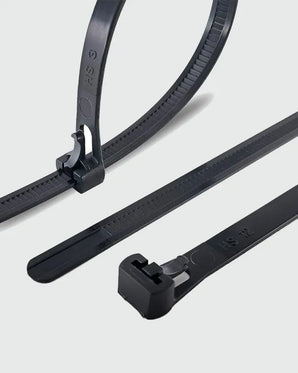
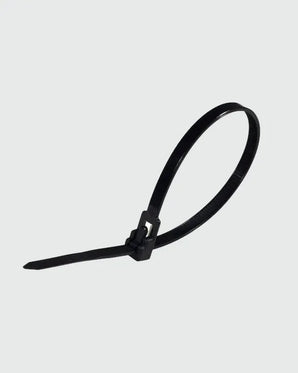
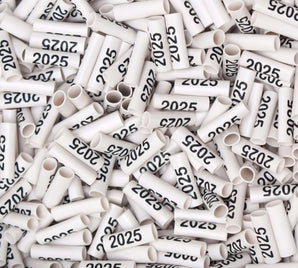
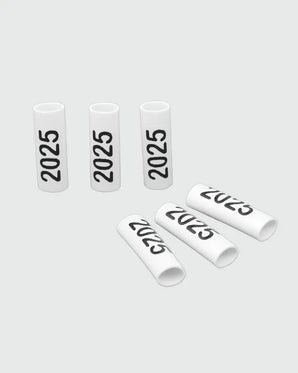
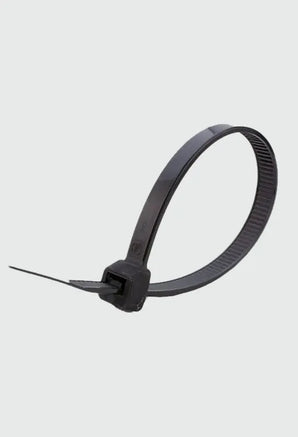
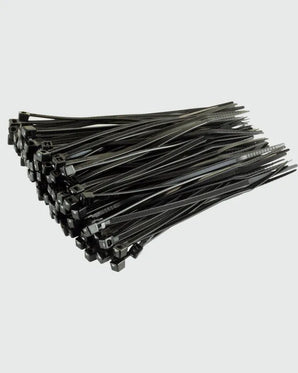
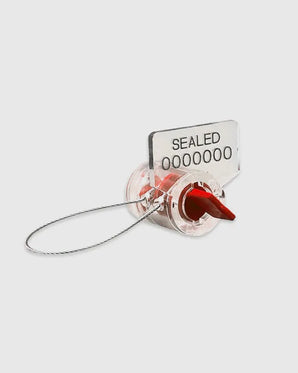
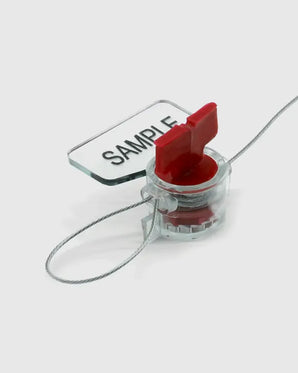
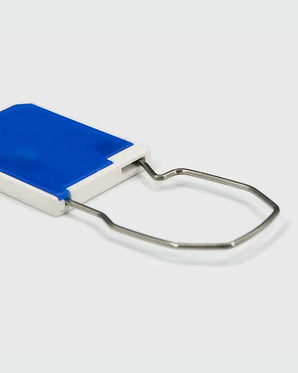
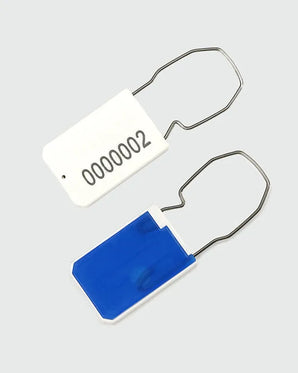


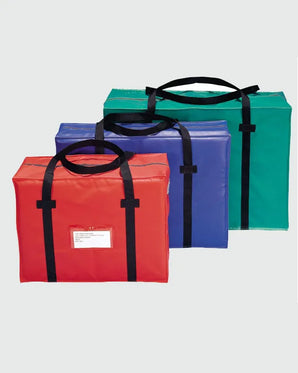
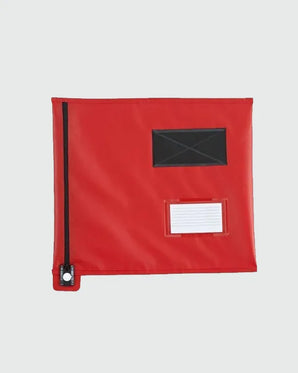
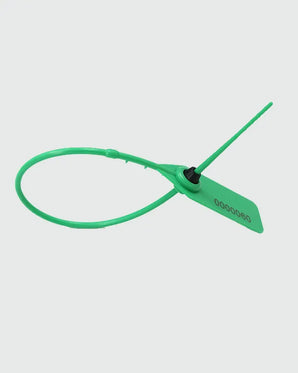
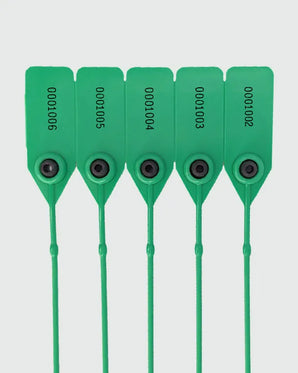
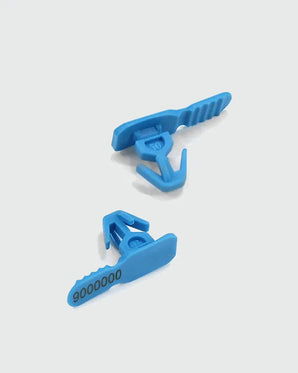

Meter seal tags and sleeve markers form the backbone of any high-volume utility rollout. In the UK infrastructure sector, a single mislabelled cable leads to a failed inspection. That mistake triggers a redundant truck roll and wastes expensive engineer time. Managers use specialised meter seal tags from JW Products to replace guesswork with an audit-ready asset management system.
Correct tagging stops "asset stranding." This happens when equipment exists on a pavement or in a basement but vanished from the digital map months ago.
How do meter seal tags prevent asset stranding?
Field teams use JW Products meter seal tags as a physical data anchor to stop hardware from dropping off the digital map. Paper-trail IDs fail the second a technician moves a meter or replaces a terminal block. You need a physical link that stays put regardless of who services the site.
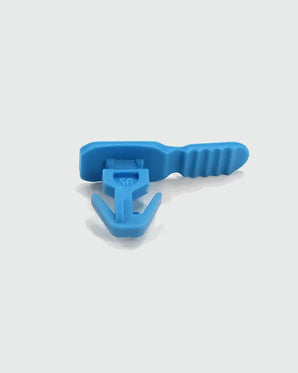
These meter seal tags for asset identification use large flags to solve the problem of messy, hand-written scribbles. High-contrast laser marking allows engineers to hit a barcode with a scanner and move to the next job in seconds. This speed cuts out the data entry errors that plague smart meter deployments. Accuracy at the point of install keeps the link between the physical serial number and the billing account alive, protecting the long-term revenue stream.
Why do sleeve markers outperform flat tags for cable identification?
Cramped distribution boards create "shadowing," but JW Products sleeve markers solve this by providing 360-degree visibility. Traditional flat tags often hide the ID of the cable behind them. A sleeve eliminates the "parallax error" that happens when an inspector misreads a label from a tight angle.
A durable sleeve marker grips the cable directly. It won't snag on a cabinet door or tangle when you re-route a feed. In power distribution, this prevents "cross-patching." No engineer wants to disconnect a live circuit because a traditional tag spun out of sight. Clear visibility reduces the "Mean Time to Repair" (MTTR) and keeps your network reliability scores high.
Why choose meter seal tags over adhesive labels?
JW Products meter seal tags use a mechanical tie to outlast any adhesive bond, especially in unheated UK kiosks. Adhesive labels belong in an office; they don't survive a damp winter. Eventually, thermal shifts make stickers peel and the ink "ghosts" until you have a blank piece of plastic.
Polycarbonate tags lock onto the asset. They offer a 15-year service life that matches the hardware they protect. When an ID falls off, that asset effectively dies in your billing system. That lost data leads to unbilled energy and infrastructure that hits the balance sheet. Investing in mechanical tags upfront eliminates the massive cost of re-surveying "lost" estates later.
How does colour-coding accelerate utility inspections?
Site supervisors deploy colour-coded JW tags as a split-second safety check. These markers and tags tell a team what they are looking at before they even open their tool kit.
- Phase & Service Separation: Standard UK colours such Green for Water, Yellow for Gas stop dangerous cross-connection errors before they happen.
- Service-Cycle Rotations: Use a "Year-of-Install" code. A supervisor can walk a line of meters and spot an out-of-date unit from five yards away. You don't need to read a single serial number to know which unit needs recalibrating.
- High-Risk Flagging: Fluorescent tags mark high-voltage junctions. They act as a visual "Stop" sign for junior engineers.
This visual system slashes the time required for site audits, allowing your senior staff to oversee more sites per day without sacrificing safety.
How do numbered seals support Ofgem and Ofwat audits?
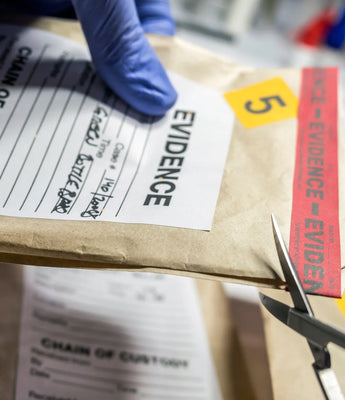
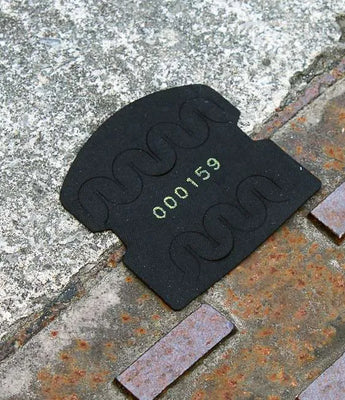
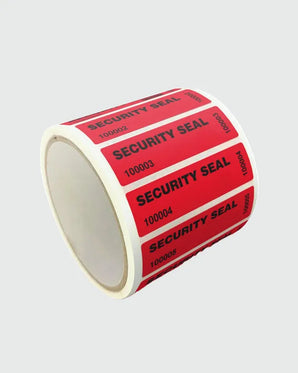
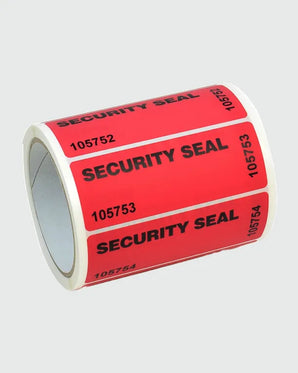
JW Products numbered seals provide the physical timestamp required to prove an unbroken chain of custody to regulators. A unique number proves an asset stayed in a verified state since the last visit.
A distressed seal is a red flag. It points to a gap in your "Safe Systems of Work." By using numbered identification solutions, you can defend your duty of care. This evidence stops the regulatory fines and "improvement notices" that ruin a provider’s reputation and lead to costly legal oversight.
What materials work best for UK outdoor tagging?
UK infrastructure presents harsh conditions, so we engineer our identification solutions for specific site stress:
- Shatter-Resistance: Our high-density polymers stay flexible at -10°C. They won't snap in your hand during a January maintenance call.
- UV Stability: We use pigments that won't fade in direct sun. Your colour code stays valid for the life of the asset.
- Low-Break Torque: For fire-path assets, we use polypropylene. It identifies the valve but snaps cleanly in an emergency.
Choosing the right material ensures you aren't replacing tags every two years, which keeps your long-term maintenance opex under control.
The Maintenance Checklist: Field Tactics That Work
- Zero-Slack: Pull the tail until the flag sits flush. A loose tag snags on sleeves and catches on tools.
- Face the Barcode: Apply every tag with the barcode facing "up and out." It saves hours of "fishing" for IDs during the next audit.
- The Wipe Test: Wipe the tag face during every visit. If the laser marking shows wear, swap it. It’s always cheaper to replace a tag than to re-identify an unknown pipe.
By integrating JW Products meter seal tags and sleeve markers, you install an operational insurance policy.
For custom laser marking or estate-wide rollout support, contact the JW Products team for a technical consultation.