



Bolt Seals vs Cable Seals: Which High-Security Barrier Seal Is Right for Your Operation?
In the world of supply chain security, high-security barrier seals play a crucial role in protecting valuable cargo from theft, tampering, and unauthorised access. For businesses handling international shipments, high-value goods, or regulated freight, choosing between bolt seals and cable seals—two of the most trusted options—can make a significant difference in both protection and practicality.
Both types qualify as high-security barrier seals under standards like ISO 17712:2013 (often marked with an "H" for High Security classification), meaning they are designed to delay intrusion, require specialised tools for removal (such as bolt cutters or cable cutters), and provide clear visual evidence of tampering. They are widely accepted for customs requirements in global trade, including compliance with programmes such as the UK's Authorised Economic Operator (AEO) scheme and the US C-TPAT framework where relevant for international movements.
However, their designs lead to distinct strengths, limitations, and ideal use cases.
Key Design Differences
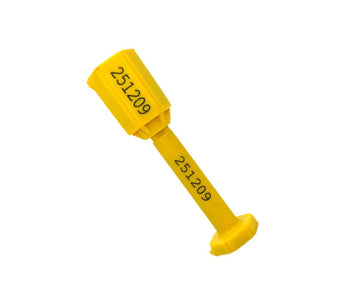
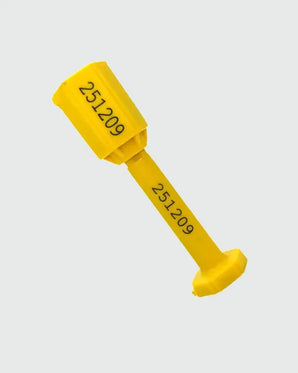
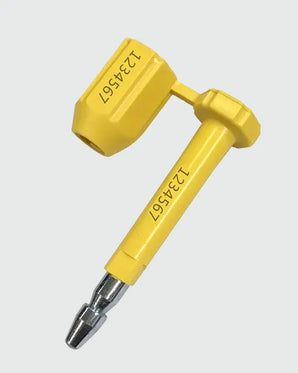
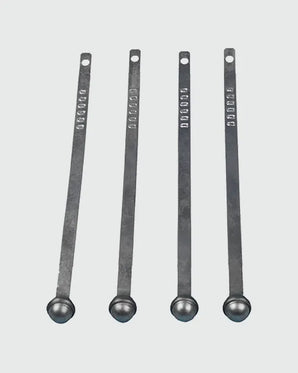
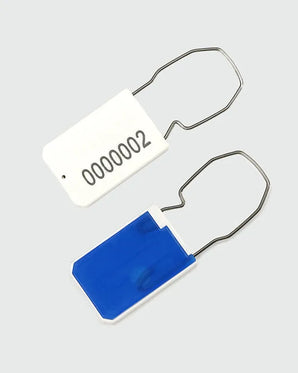
- Bolt Seals These consist of a rigid steel bolt (often with a plastic-coated body for printing and visibility) that inserts through aligned hasps or locking mechanisms. Once locked, the bolt is secured in a one-way locking chamber, creating a fixed, unyielding barrier. They are typically removed only with heavy-duty bolt cutters.
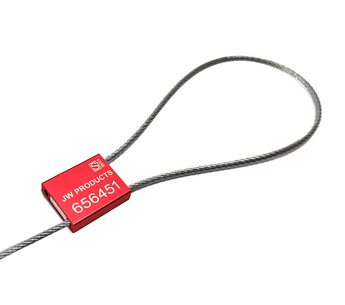
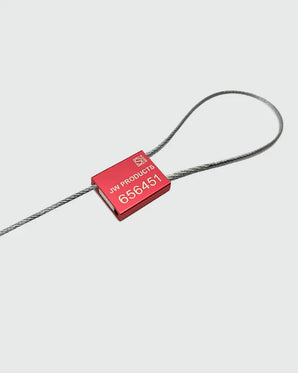
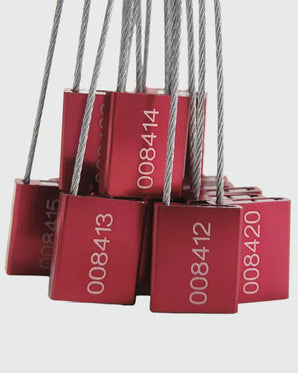
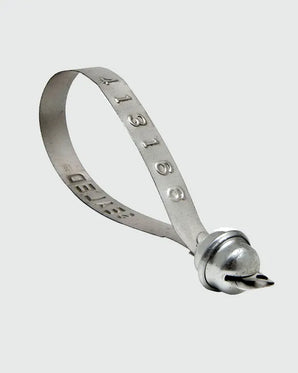
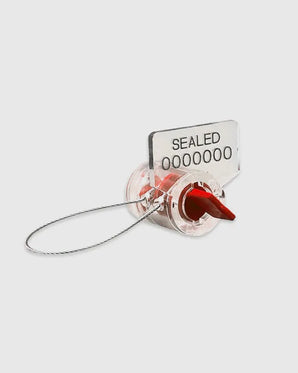
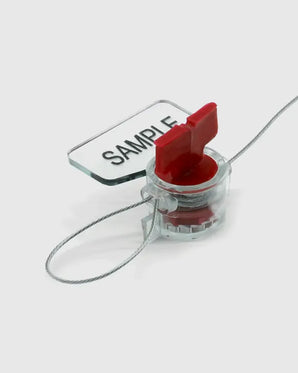
- Cable Seals These feature a flexible steel cable (usually 3–5 mm or thicker for high-security ratings) attached to a locking body. The cable threads through multiple points or irregular openings before being pulled tight and locked. Removal requires cable cutters, and high-quality versions often fray upon cutting to prevent re-use.
Head-to-Head Comparison
Here's a clear breakdown of the main factors to consider when deciding between the two:
| Feature | Bolt Seals | Cable Seals |
|---|---|---|
| Structure | Rigid steel bolt with locking body | Flexible steel cable with adjustable length |
| Security Strength | Excellent brute-force and shear resistance; very hard to cut or manipulate without obvious damage | High tensile strength (especially 5 mm+); good tamper evidence, but may be more vulnerable to specialised tools if not premium quality |
| Tamper Evidence | Highly visible due to rigid design; difficult to fake or interchange parts in quality versions | Clear upon cutting (fraying common in good models); some older concerns about interchangeability, though modern designs mitigate this |
| Flexibility/Adaptability | Limited—requires precise alignment of locking points (e.g., container door hasps) | Highly versatile—adjustable to fit irregular shapes, multiple tie points, or non-standard applications |
| Ease of Application | Simple and quick when holes align; can be tricky if misalignment occurs | Easier for complex or offset locking points; cable can be looped through various configurations |
| Removal | Bolt cutters required | Cable cutters required |
| Typical Applications | Shipping containers, lorry/trailer doors, railcars, high-value international freight | Tankers, ISO tanks, open-top containers, rail cars, lorries with varied hasps, heavy machinery, pallets |
| ISO 17712 "H" Compliance | Widely available and standard for container use | Available (especially thicker cables); meets standards when certified |
| Cost | Often comparable or slightly higher | Often comparable; can be more economical for versatile needs |
| Advantages | Superior rigidity deters opportunistic attacks; preferred for standard container doors; strong regulatory acceptance | Greater versatility; suits diverse or awkward locking setups; can secure multiple points |
| Disadvantages | Less forgiving on misaligned or irregular hasps; some historical concerns over interchangeable parts (addressed in modern unspinnable designs) | Slightly less rigid; cable can wear from abrasion in harsh conditions (stainless options help) |
When to Choose Bolt Seals
Opt for bolt seals when your primary concern is maximum brute-force resistance in standardised, high-stakes environments. They are the go-to choice for:
- Standard shipping containers (especially maritime and intermodal)
- Lorry and trailer doors with aligned hasps
- International shipments requiring strict ISO 17712 "H" compliance and customs acceptance
- High-value or regulated cargo (e.g., electronics, pharmaceuticals, or precious materials) where a rigid, tool-resistant barrier is essential
Bolt seals excel in scenarios where the locking points are predictable and aligned, providing a straightforward, highly secure solution that customs officials and insurers recognise instantly.
When to Choose Cable Seals
Cable seals shine when flexibility is key. They're ideal for:
- Irregular or offset locking mechanisms (e.g., tank hatches, valves, or open-top containers)
- Applications requiring the seal to pass through multiple points or larger gaps
- Mixed fleets with varied equipment (lorries, rail cars, machinery)
- Situations where quick, adaptable application saves time in the field
If your operations involve diverse cargo types or non-standard containers, cable seals offer the versatility to handle it without compromising on high-security ratings (provided you select ISO 17712-compliant models with adequate cable diameter).
Making the Right Choice for Your Business
Ultimately, the "better" seal depends on your specific operation:
- For straightforward container or trailer security in global logistics → Bolt seals are often the industry standard.
- For versatile, real-world applications with varying equipment → Cable seals provide practical advantages without sacrificing protection.
Many companies use both types complementarily, matching the seal to the asset. Whichever you choose, prioritise ISO 17712 "H"-certified options with custom printing (logos, serial numbers, barcodes) for added traceability and branding. This not only enhances security but also streamlines inspections and deters fraud.
If you're evaluating high-security barrier seals for your next shipment, assess your locking points, compliance needs, and operational flexibility first. The right choice can significantly reduce risks while keeping your supply chain moving efficiently.
Looking for printed high-security bolt or cable seals tailored to your needs? Contact our team for expert guidance and samples.